
Performance anxiety: why it appears and how neurofeedback can help
Performance anxiety: why that unease and pressure appear before results, how it shows up and what helps you manage it better.
What performance anxiety is
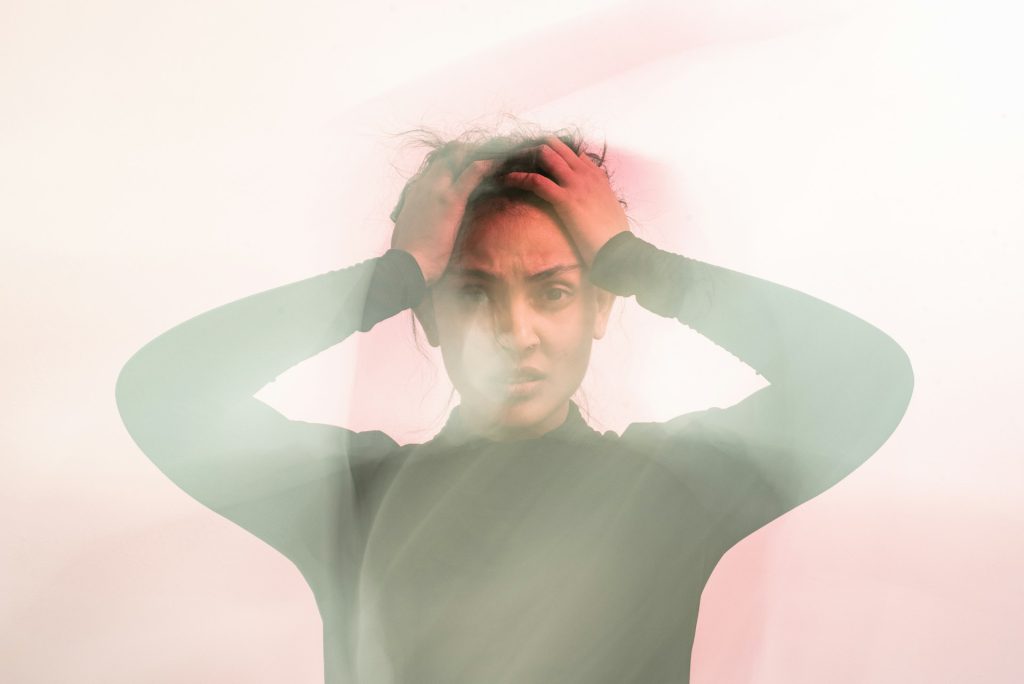
Performance anxiety is an intense state of unease, fear and mental pressure that appears when a person feels they have to achieve very good results or demonstrate certain abilities in front of others. This form of anxiety is linked to the fear of failure, the fear of being judged negatively or the feeling that personal worth depends solely on the success achieved. Those affected often set themselves extremely high standards and come to believe that any mistake can ruin their image or their future. Performance anxiety can produce physical symptoms such as sweating, trembling, palpitations, breathing difficulties or mental blocks, as well as emotional symptoms such as panic, insecurity and a lack of self-confidence. In many cases it has a negative effect on concentration and reduces a person's effectiveness at exactly the moment when they need to perform at their best.
One of the most common settings in which performance anxiety appears is the academic one. Pupils and students often face the pressure of exams, important tests or oral presentations. In such situations, the fear of low marks, of disappointing their parents or of being compared with classmates can become overwhelming. Even well-prepared people can struggle to demonstrate what they know when emotions become too intense. Sometimes a "blank" occurs, in which the student forgets what they have learned or can no longer think clearly during the exam. A competitive environment and an exclusive focus on results contribute to heightened anxiety, especially when academic success is equated with personal worth and future prospects.
Performance anxiety also appears very often in the professional world, particularly at job interviews, periodic reviews or important presentations. During an interview, a candidate may feel that every answer decides their professional future, which leads to excessive stress and difficulty communicating. Anxious people may speak too fast, lose their train of thought or seem unsure of themselves, even when they have all the skills the role requires. Employees may also experience anxiety before meetings, conferences or important projects, especially when there is a risk of criticism or of failing in public. Deadline pressure, competition between colleagues and the constant need to prove one's effectiveness contribute to a tense climate in which performance anxiety becomes increasingly present.
This type of anxiety can also appear in fields such as sport, the arts or social activities. Athletes, for example, often feel enormous pressure before important competitions because they are afraid of letting down their coaches, their team or the public. Likewise, artists, musicians and actors can experience powerful emotions before performances or public appearances. In such situations, the mere idea of being watched and judged by others can trigger intense fear. Even in ordinary social contexts, such as giving a speech or attending an important meeting, performance anxiety can affect the way a person communicates and expresses themselves. An excessive desire to make a good impression can turn everyday experiences into powerful sources of stress.
The conditions that encourage performance anxiety are varied and relate both to the external environment and to the individual's personality. A competitive climate, frequent criticism, pressure from family or society and a lack of emotional support can all worsen the problem. At the same time, perfectionist people and those with low self-esteem are more vulnerable to such states. Negative past experiences, such as a significant failure or public humiliation, can contribute to a persistent fear of performing. To reduce the anxiety, it is important that the person learns to manage their emotions, sets realistic goals and understands that mistakes are part of the normal process of development. Support from family, teachers or specialists can play an essential role in overcoming this difficulty and in building a healthier relationship with the idea of success and performance.
How this type of anxiety shows itself
Performance anxiety shows itself through a combination of physical, mental and emotional reactions that appear when a person is in a situation where they feel they must achieve very good results or be judged by others. This state can arise before an exam, an interview, a public presentation or an important competition. The intensity of the symptoms differs from one person to another, but in most cases the anxiety affects the body as well as the way one thinks and feels. The person may find it hard to concentrate, may become agitated and may feel they have lost control over their own reactions. Over time, these manifestations can have a negative effect on performance and self-confidence.
Physical symptoms:
- palpitations and a racing heartbeat;
- excessive sweating;
- trembling of the hands or the whole body;
- a feeling of suffocation or difficulty breathing;
- stomach ache, nausea or abdominal discomfort;
- dizziness and a feeling of weakness;
- muscle tension;
- dry mouth;
- marked fatigue before or after the stressful event.
Mental symptoms:
- difficulty concentrating;
- mental blocks during a test or presentation;
- repeated negative thoughts about failure;
- excessive fear of making mistakes;
- lack of confidence in one's own abilities;
- a tendency to expect the worst possible outcome;
- difficulty making decisions under pressure;
- constant preoccupation with what others think.
Emotional symptoms:
- intense fear and unease;
- irritability and nervousness;
- a feeling of panic;
- shame or embarrassment ahead of an evaluation;
- frustration and disappointment with oneself;
- a state of insecurity;
- a feeling of helplessness;
- loss of motivation because of the fear of failure.
Performance anxiety affects the body as much as the mind and the emotions. Although a certain level of emotion is normal in important situations, when anxiety becomes too intense it can reduce concentration and have a negative effect on results. Recognising the symptoms and understanding the causes are important steps towards managing this problem. With emotional support, relaxation exercises and the development of self-confidence, performance anxiety can be reduced and the person can learn to cope better with stressful situations.
Why performance anxiety appears
Performance anxiety appears when a person perceives a situation as very important and feels strong pressure to succeed. Most often, this state is linked to the fear of failure, the desire to be appreciated and the fear of being judged negatively by others. In contexts such as exams, interviews or competitions, the person believes that the outcome can affect their image, their future or their personal worth. At such moments the body reacts automatically to stress by activating the sympathetic nervous system, the component of the autonomic nervous system responsible for the "fight or flight" response. This activation triggers the release of stress hormones such as adrenaline and cortisol, which prepare the body to face the perceived danger. Although this reaction serves a protective purpose and can temporarily raise energy and alertness, when it becomes too intense it produces unease, tension and difficulty concentrating.
Another reason performance anxiety appears is the influence of the social environment and of personal experience. People who grew up in an environment where success was extremely important, or where mistakes were harshly criticised, often develop a heightened fear of disappointing others. Pressure from family, teachers, colleagues or society can create the belief that personal worth depends solely on results and achievements. In addition, negative past experiences such as a public failure, a poor mark or a humiliating situation can remain strongly imprinted in memory and can trigger anxiety in similar situations. At such moments the nervous system reacts as if the person were once again in real danger, even though the threat is purely psychological. This is how symptoms such as palpitations, sweating, trembling or mental blocks appear, all of which can impair the ability to think clearly and act effectively.
Performance anxiety is also encouraged by certain personality traits, such as perfectionism, heightened sensitivity to criticism and a lack of self-confidence. Perfectionists set themselves very high standards and see any mistake as a major failure. As a result they enter a permanent state of tension and excessive self-control, and the nervous system remains continuously on alert. Instead of seeing challenges as opportunities to learn, anxious people see them as threats to their image and to their relationships with others. Repeated activation of the nervous system in such situations can lead to emotional fatigue, chronic stress and a decline in actual performance. That is why it is important for performance anxiety to be understood and managed through relaxation techniques, emotional support and the development of a more balanced view of success and mistakes.
How it affects everyday life
Performance anxiety can significantly affect school or academic life, because it influences the way a person studies, prepares and sits their exams. Even when the individual knows the material, intense stress can lead to mental blocks, forgetting information or difficulty concentrating during tests. Over time this can undermine confidence in one's own abilities and create a vicious circle: fear of failure leads to anxiety, and anxiety leads to poorer results. Pupils and students may also end up avoiding assessment situations, putting off studying or feeling constant pressure before any important exam.
In professional life, performance anxiety can influence the way a person expresses themselves at work and carries out their tasks. Job interviews, presentations in front of colleagues and periodic reviews become major sources of stress, which can affect communication and clarity of thought. An anxious person may come across as unsure of themselves even when well prepared, and strong emotions can lead to mistakes, hesitation or difficulty making decisions. Over time this can limit professional opportunities and reduce the willingness to take on new challenges or responsibilities.
On a social and personal level, performance anxiety can influence relationships with others and the way a person relates to situations in which they are assessed or observed. Even ordinary activities such as speaking in public, attending events or voicing an opinion can become sources of discomfort and fear. The person may avoid social situations in which they feel they might be judged, which can lead to isolation and lower self-confidence. Over time this avoidance reduces opportunities for personal growth and can affect quality of life, because the fear of being evaluated ends up limiting everyday experiences and interactions.
How to address performance anxiety properly
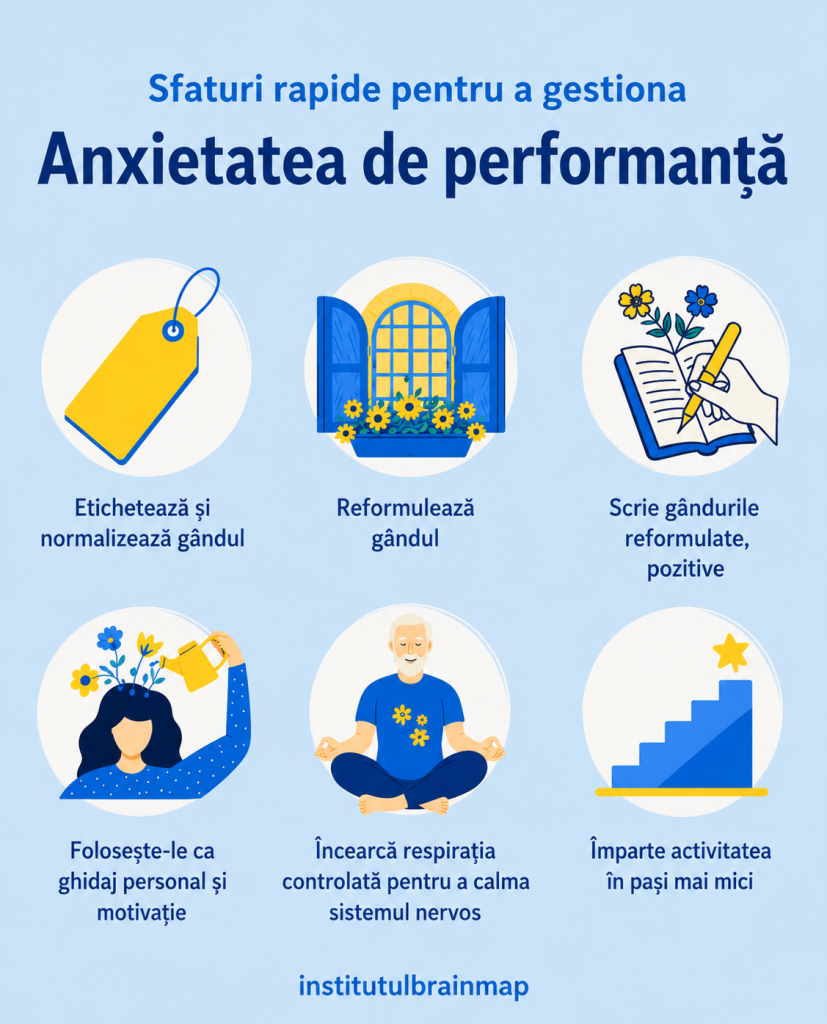
Performance anxiety can be managed effectively through a combination of psychological, behavioural and physiological strategies. The right approach does not mean eliminating emotions altogether, but learning how to manage them so that they do not interfere with performance. Below are some of the most widely used intervention methods.
1. Restructuring negative thoughts (cognitive behavioural therapy)
This approach focuses on identifying and changing automatic negative thoughts such as "I am going to fail" or "I am not good enough". Such thoughts feed anxiety and increase the pressure felt in performance situations. Through specific techniques, the person learns to replace these ideas with more realistic, balanced ones, for example "I have prepared and I can handle this". Over time this process reduces the intensity of emotional reactions and helps build steadier confidence in one's own abilities.
2. Breathing and relaxation techniques
Deep-breathing exercises, progressive muscle relaxation and techniques for calming the body are effective ways of reducing activation of the sympathetic nervous system. They help slow the heart rate, ease muscle tension and calm general agitation. Practised consistently, they become a quick tool for emotional regulation in stressful situations such as exams or interviews, helping the person regain control.
3. Gradual exposure to performance situations
This method involves gradually facing the situations that cause anxiety instead of avoiding them. For example, a person can start by practising presentations in front of a small group, then in front of a larger audience. Repeated exposure reduces sensitivity to stress and helps the brain understand that the situation is not dangerous. Over time, anxiety reactions become weaker and easier to control.
4. Consistent preparation and practice
Good preparation significantly reduces performance anxiety because it increases the sense of control and safety. Reviewing the material, sitting mock exams or rehearsing interviews helps the person get used to the real situation. The better prepared they are, the smaller the fear of making mistakes, and self-confidence grows naturally.
5. A balanced lifestyle
Enough sleep, a proper diet and regular physical activity have a direct impact on anxiety levels. Lack of rest or accumulated stress can intensify the reactions of the nervous system and increase vulnerability to negative emotions. Physical exercise in particular helps lower stress hormones and improve general wellbeing.
6. Social support and psychological counselling
Talking to people you trust or to a specialist can significantly reduce the pressure felt in performance situations. Emotional support helps normalise the experience and lessen the sense of isolation. Psychotherapy offers personalised tools for managing anxiety and for developing a healthier relationship with evaluation and failure.
Performance anxiety and neurofeedback
Neurofeedback is a modern brain training method that helps regulate the brain activity associated with anxiety. The procedure involves monitoring brainwaves through special sensors, while the person receives real-time feedback about their mental activity, usually in the form of images or sounds. The aim is for the individual to learn to consciously alter their patterns of brain activity so as to reach a state of optimal calm and concentration.
In the case of performance anxiety, neurofeedback can help reduce over-activation of the nervous system and improve emotional control in stressful situations. Through repeated sessions, the brain learns to function more efficiently under pressure, easing excessive "fight or flight" reactions. This method is used as an adjunct in anxiety therapy and can help increase concentration, emotional stability and self-confidence in performance settings such as exams, interviews or competitions. If you are dealing with performance anxiety and feel it is affecting your exams, your interviews or your everyday life, you do not have to handle it all on your own. You can fill in the contact form to book a free call with a specialist, where you will be able to better understand what is happening to you and which solutions suit you. It is a simple but important first step towards easing the anxiety and regaining confidence in yourself in performance situations.
Do you want to understand what is happening in your brain?
Book a call with the BrainMap Institute's specialists and find out how a BrainMap and brain training can help you.