
How You Can Treat the Sharp Pain and Numbness of Neuropathies With Brain Training Therapy, Based on Brain Science
The therapy clinically proven to reduce the discomfort caused by neuropathies and to improve the patient's quality of life
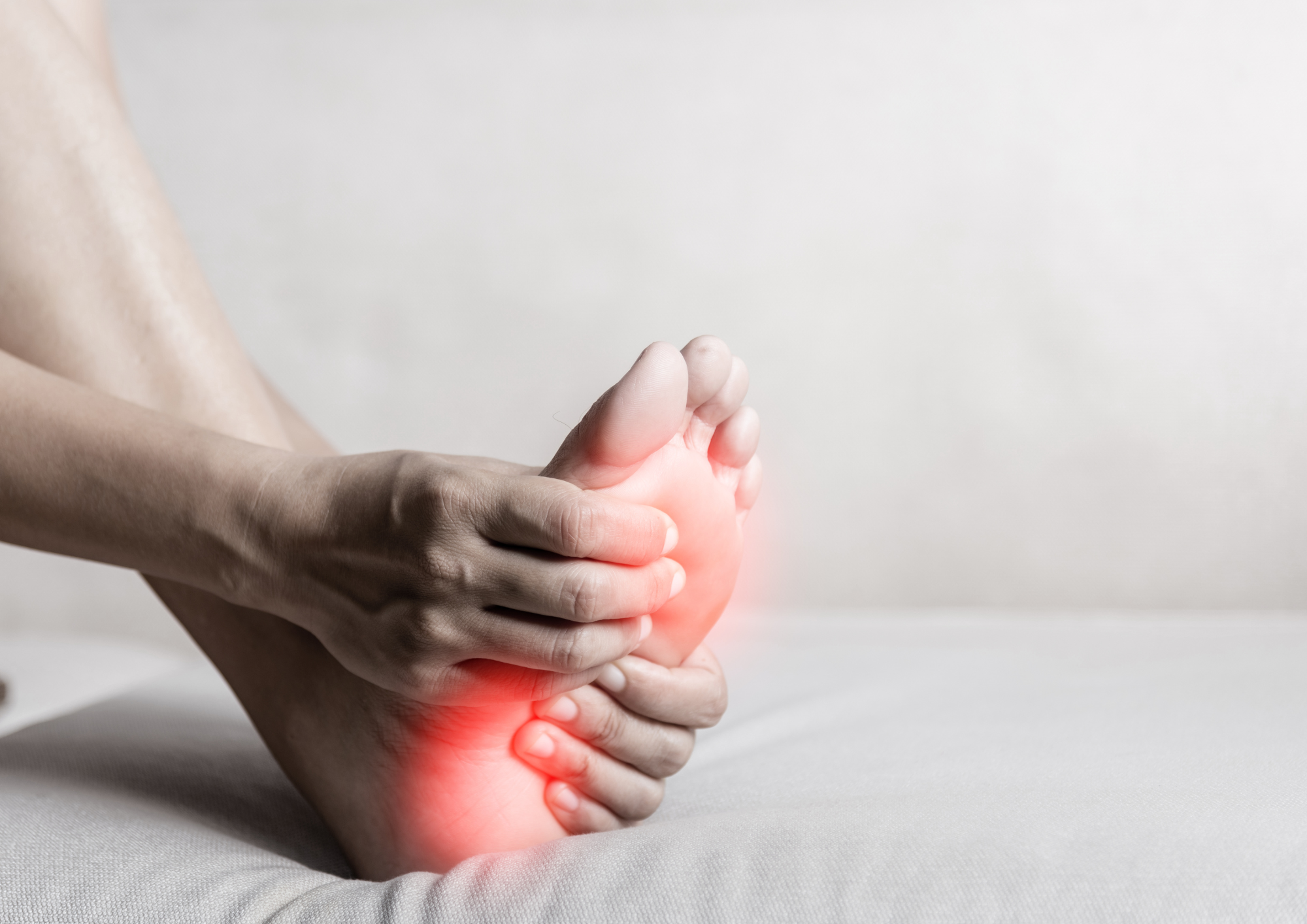
Neuropathies at a glance
Over 192,000,000 people worldwide live with neuropathies, and the risk of developing them grows as we get older.
Neuropathies keep you from making certain movements in everyday life and cause you constant discomfort and pain. Although they usually do not seriously harm your health, they stop you from living a good quality of life.
The good news is that you don't have to live with neuropathies: there are therapeutic solutions that can help you reduce daily pain and discomfort.
What are neuropathies?

Neuropathies are a group of disorders of the peripheral nervous system. Although they are not a life-threatening condition, they can lead to disability if they are not treated in time.
They show up mainly through:
- muscle weakness
- numbness
- pain in the hands and feet
The causes of neuropathies
In about 30% of neuropathy cases the causes are unknown. In another 30% of cases the main culprit is diabetes - statistics show that almost 50% of people living with diabetes develop, at some point, a form of neuropathy.
The remaining cases of neuropathy can have a variety of causes, such as:
- trauma or pressure on the nerves
- exposure to toxic substances, such as heavy metals
- cancer treatment medication
- benign and malignant tumors that press on the nerves
- inherited disorders
- certain autoimmune diseases
- nutritional problems or vitamin deficiencies, such as vitamin E and the B complex vitamins (B1, B6, B12)
- alcoholism, combined with poor nutrition and a vitamin deficiency
How do neuropathies show up?
Symptoms can be mild or severe and can develop over a few days, weeks or years. In most cases, they are not life-threatening.
How severe they are depends on the affected brain area and on how badly the nerves are damaged. Some types of neuropathy involve damage to a single nerve, while others affect several nerves.
The main symptoms of neuropathy can be grouped into 3 categories:
Motor symptoms
Motor nerves control the conscious movement of the muscles - walking, speaking or gripping an object. When they are affected, muscle weakness appears, which can lead to instability, difficulty making precise movements, cramps and muscle atrophy.
Sensory symptoms
Sensory nerves carry information such as touch, temperature or pain. When they are affected, paresthesia, numbness, extreme sensitivity to any touch and intense pain felt as burning, throbbing or stabbing can appear.
Autonomic symptoms
Autonomic nerves support the organs in activities we do not control consciously, such as breathing or digestion. When they are affected, sweating problems, sensitivity to heat, bowel and bladder disorders and changes in blood pressure can appear.
In the vast majority of neuropathy cases, all 3 categories of nerves are affected, to different degrees of severity.
Types of neuropathies
Acquired neuropathy
This is the most common form. It can be triggered by another condition or it can appear without an obvious medical cause.
Genetic neuropathy
Genetically inherited neuropathy is rare. The mutations that can cause it are either passed on by one of the parents or appear spontaneously.
The most common conditions that lead to an acquired neuropathy
- Diabetes (peripheral polyneuropathy): mildly or severely affects the sensory, autonomic and motor nerves, with a feeling of numbness, burning or tingling, usually in the limbs.
- Physical trauma: after a fall or an accident, the nerves can be compressed or torn away from the spinal cord; displaced fractures and slipped discs can press on the nerves.
- Hormonal disorders: they disturb the normal course of the metabolic process and can cause tissue inflammation.
- Vascular problems: they reduce the amount of oxygen reaching the peripheral nerves and can damage nerve tissue; they are encouraged by high blood pressure and by fatty deposits in the blood vessels.
- Kidney or liver conditions: they cause abnormal amounts of toxic substances to build up in the blood, which can damage nerve tissue.
- Nutritional imbalance, alcoholism or exposure to toxins: a vitamin B12 deficiency and an excess of vitamin B6 are direct causes of neuropathy.
How does brain training therapy help with neuropathies?
Neurofeedback brain training shows positive results in treating neuropathies, especially when therapy starts early. The sooner we begin, the faster we can reduce the impact of the symptoms ❗
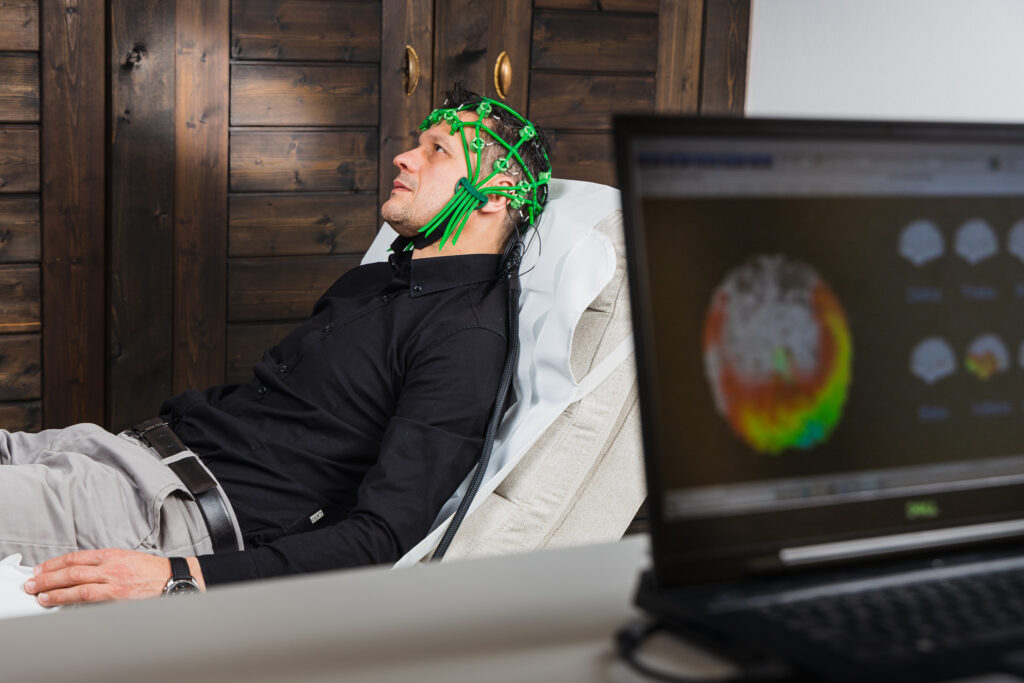
Using a dedicated medical device and a software program, we measure brainwave activity and help patients with peripheral neuropathy change their own brainwaves. This way, you will be able to reduce your symptoms and improve your overall quality of life.
Thanks to neuroplasticity (the brain's ability to adapt), we can build new neural pathways that improve motor, sensory and autonomic functions in everyday life.
What does the procedure consist of?
In neurofeedback therapy for neuropathies, we go through 4 simple steps together:
We carry out a BrainMap assessment, in which we discover exactly which brain areas triggered the neuropathy. This tells us what needs to be treated and how we will run the therapy sessions.
Based on the results, you receive a personalized neurofeedback treatment plan, suited to the uniqueness of your brain.
Follow the established plan and attend the periodic brain training sessions
You start to see the results: you have more control over your body, and the typical numbness and pain gradually fade away.
The results of brain training therapy in neuropathies
From our own practice and from working with thousands of patients, we have seen that Neurofeedback brain training can considerably reduce the impact of neuropathies, if we step in early.
After the specific training of the affected areas, the patient can live a much better quality of life, managing to ease the sensations of pain and numbness in the body (effects also demonstrated by international studies).
Heal the discomfort and pain caused by neuropathies
If you follow the therapy plan, we can help you regain control over the affected functions, get rid of the sharp tingling in the affected areas and live a good quality life, free of discomfort.
If you have other questions about the procedure, or you want to find out whether it is suitable for your situation or that of someone close to you, book now a free 15-minute phone consultation with one of our specialists.
Brain training unique in the world
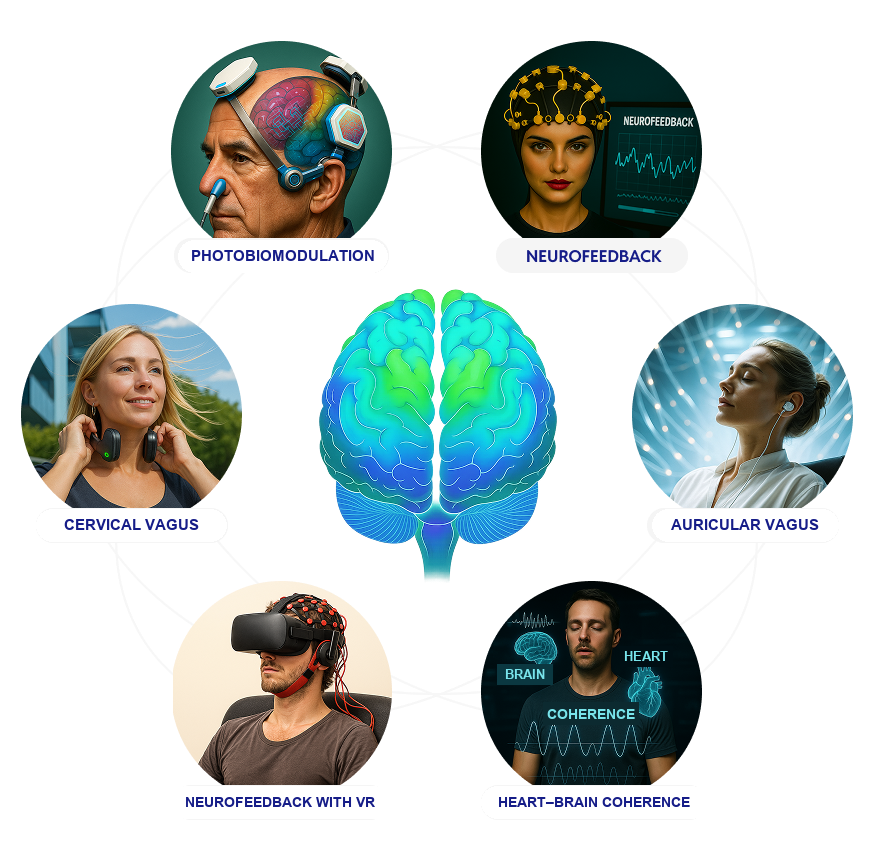
Brain training unique in the world, combining neurofeedback with other complementary neurotechnologies such as photobiomodulation, heart–brain coherence and vagus nerve stimulation, to help you reach your full potential and live the best life possible.
- Results up to 50% faster than classic neurofeedback
- Treats neuropsychiatric and pathological conditions
- Works directly on the cause, not the symptoms
- Restores emotional balance, sleep and mental clarity
- Increases focus, resistance to stress and cognitive performance
- A protocol 100% personalized to the uniqueness of your brain
- Validated by 65+ years of research in neuroscience
Book a free phone consultation with one of the BrainMap Institute's specialists
- You get answers to any questions you have about BrainMap and brain training
- You find out how brain training is applied to the uniqueness of your brain and your situation
- You will know the exact steps to follow to live the best life possible
Effectiveness proven in international scientific studies
What our patients say
Read the experiences of those who overcame their condition.
See testimonialsDo you want to understand what is happening in your brain?
Book a call with the BrainMap Institute's specialists and find out how a BrainMap and brain training can help you.
Book a free call