
Clinical studies and research
A scientific method. Validated by over 700 institutions and 1,250 clinical studies. Internationally recognized.
All the therapies developed at the BrainMap Institute are grounded in rigorous scientific data, measurable clinical results and protocols verified through more than 60 years of neuroscientific research.
Brain training therapy and the BrainMap QEEG analysis are clinically validated in over 700 institutions worldwide (including Harvard Medical School and the UCLA Brain Research Institute) and supported by more than 1,250 clinical and scientific studies published in international databases such as PubMed and ScienceDirect.
The BrainMap Institute uses exclusively methods officially recognized by global scientific communities such as:
This guarantees that every intervention applied is precisely calibrated and tailored to the individual needs of each patient.
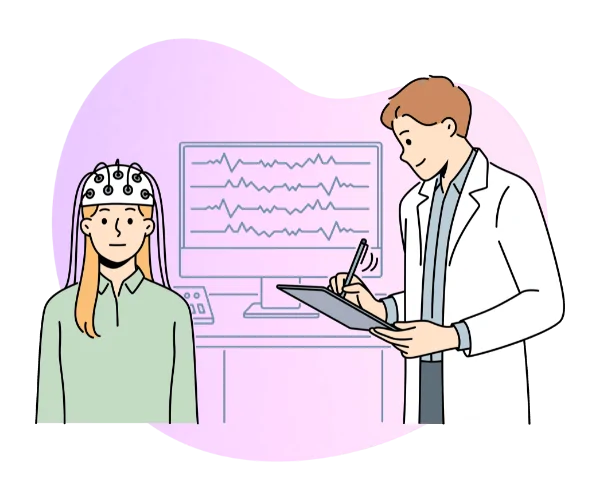
Clinical Studies published in international scientific journals

Robu, A., & Nemes, A. D. (2025). Impact of a Multimodal Neurotechnological Intervention on Physiological and Neurocognitive Markers of Healthy Longevity: A Randomized, Longitudinal, Controlled Clinical Study. IJSDR - International Journal of Scientific Development and Research, Vol.10, Issue 5, pp.300-330, ISSN:2455-2631, DOI: 10.56975/ijsdr.v10i5.302877
Study published in the International Journal of Scientific Development and Research.
View the study
Robu, A., & Nemes, A. D. (2025). The efficiency of a multimodal neurotechnological intervention (cerebral photobiomodulation, qEEG neurofeedback, and heart-brain biofeedback) in enhancing attention and academic performance in middle school students (11–15 years old): A nationally conducted randomized controlled clinical study. International Journal of Scientific Development and Research, 10(5), b843–b884
Study published in the International Journal of Scientific Development and Research
View the study
Robu, A., & Nemes, A. D. (2025). Brain fitness for business success – A controlled study on enhancing entrepreneurs’ productivity and focus through neurotechnological interventions. International Journal of Scientific Development and Research, 10(5), b789–b831
Study published in the International Journal of Scientific Development and Research
View the study
Robu, A., & Nemes, A. D. (2025). Cerebrum 40: Study on maintaining cognitive performance through advanced neuroregulation Randomized, controlled and multicenter clinical trial. International Journal of Scientific Development and Research, 10(5), c749-c793
Study published in the International Journal of Scientific Development and Research
View the study
Robu, A., & Nemes, A. D. (2025). Increasing mental clarity, decision-making speed and team performance through multimodal neurotechnology interventions (neurofeedback, alpha/gamma photobiomodulation and heart-brain biofeedback) in corporate employees. International Journal of Scientific Development and Research, 10(5), b737–b783
Study published in the International Journal of Scientific Development and Research
View the study
Robu, A., & Nemes, A. D. (2025). Brain Longevity: Extending cognitive life through integrated Antrenamente cerebrale therapy and vagal stimulation. Randomized, controlled and multicenter clinical trial. International Journal of Scientific Development and Research, 10(5), c857-c907
Study published in the International Journal of Scientific Development and Research
View the study
Robu, A., & Nemes, A. D. (2026). REACTISPORT: Reducing the Impact of Competitive Stress on Decision-Making and Motor Precision Through Vagal Recalibration and EEG-Based Neuroregulation. IJSDR - International Journal of Scientific Development and Research, Vol. 11, Issue 2, pp. 512-521, ISSN: 2455-2631.
Study published in the International Journal of Scientific Development and Research
View the study
Robu, A., & Nemes, A. D. (2026). REZILISPORT: Prevention of Neurocognitive Exhaustion and Sustained Mental Performance in Elite Athletes During Intensive Competitive Seasons Through Integrated Brain Training. IJSDR - International Journal of Scientific Development and Research, Vol. 11, Issue 2, pp. 522-535, ISSN: 2455-2631.
Study published in the International Journal of Scientific Development and Research
View the study
Robu, A., & Nemes, A. D. (2026). NEURORECOVERY ELITE: Accelerating Autonomic and Cerebral Post-Exertion Recovery Through Integrated Neurotechnological Interventions in Elite Sport. IJSDR - International Journal of Scientific Development and Research, Vol. 11, Issue 2, pp. 473-484, ISSN: 2455-2631.
Study published in the International Journal of Scientific Development and Research
View the study
Robu, A., & Nemes, A. D. (2026). EMOTIACT: Regulation of Performance Anxiety and Consolidation of Emotional Control in High-Stakes Matches Through Integrated Brain-Based Training. IJSDR - International Journal of Scientific Development and Research, Vol. 11, Issue 2, pp. 485-497, ISSN: 2455-2631.
Study published in the International Journal of Scientific Development and Research
View the study
Robu, A., & Nemes, A. D. (2026). FOCUS 946: Training Executive Areas BA9-10-46 to Enhance Decision-Making Speed and Cognitive Inhibition in Elite Sport through Personalized EEG Neurofeedback. IJSDR - International Journal of Scientific Development and Research, Vol. 11, Issue 2, pp. 498-511, ISSN: 2455-2631.
Study published in the International Journal of Scientific Development and Research
View the study
Robu, A., & Nemes, A. D. (2026). SYNERGYFIELD: Cerebral and Autonomic Coherence in Team Play – Evaluation and Training of EEG and HRV Synchronization Between Teammates for the Optimization of Collective Performance. IJSDR - International Journal of Scientific Development and Research, Vol. 11, Issue 2, pp. 536-547, ISSN: 2455-2631.
Study published in the International Journal of Scientific Development and Research
View the study
Robu, A., & Nemes, A. D. (2026, March). Stabilizing emotional regulation and reducing impulsivity in elite sports through integrated neurotechnological interventions. International Journal of Scientific Development and Research, 11(3), b461–b472. DOI: 10.56975/ijsdr.v11i3.308157
Study published in the International Journal of Scientific Development and Research
View the study
Robu, A., & Nemes, A. D. (2026, March). Pressure master: Decisional performance under extreme stress in elite sports. International Journal of Scientific Development and Research, 11(3), b447–b460. DOI: 10.56975/ijsdr.v11i3.308158
Study published in the International Journal of Scientific Development and Research
View the study
Robu, A., & Nemes, A. D. (2026, March). Team flow neurozone: Neurodynamic team harmonization in elite sports. International Journal of Scientific Development and Research, 11(3), b432–b446. DOI: 10.56975/ijsdr.v11i3.308159
Study published in the International Journal of Scientific Development and Research
View the studyOur own studies and publications
CLINICAL STUDY: The impact of a multimodal neurotechnological intervention on the physiological and neurocognitive markers of healthy longevity
A randomized, longitudinal, controlled clinical study. This study contributes significantly to the development of preventive medicine, supporting the early implementation of neurotechnologies to improve cognitive and emotional resilience, optimize neurophysiological functions and slow down age-related biological decline
Download the studyCLINICAL STUDY: The efficiency of a multimodal neurotechnological intervention in optimizing attention and academic performance in middle school children (11–15 years old)
This randomized controlled clinical study involves a sample of 200 healthy participants, evenly distributed into an experimental group (n = 100, 50 girls and 50 boys) and a control group (n = 100, 50 girls and 50 boys). The intervention takes place over one year and is structured into three therapeutic cycles of 10 weeks each, with two sessions per week followed by a 10-week break between cycles
Download the studyCLINICAL STUDY: Brain Fitness for business success – A controlled study on enhancing entrepreneurs’ productivity and focus through neurotechnological interventions
This prospective, randomized, controlled clinical study included 300 entrepreneurs divided equally into an experimental group and a control group. Participants were assessed through objective measurements (qEEG, cardiac coherence) and validated psychometric instruments. Pearson correlations, multiple regressions and effect sizes (Cohen’s d) were analyzed for productivity, attention and stress.
Download the studyCLINICAL STUDY: Brain longevity – Extending cognitive life through integrated brain training therapy and vagal stimulation
This randomized, controlled, longitudinal, multicenter clinical study investigated the efficiency of an integrated neurotechnological intervention – brain training – in supporting cognitive longevity in clinically healthy older adults (60–70 years old), by optimizing the functioning of the central and autonomic nervous systems.
Download the studyCLINICAL STUDY: Cerebrum 40 – A study on maintaining cognitive performance through advanced neuroregulation
Age-related neurocognitive decline often begins subclinically, between the ages of 40 and 50, accelerated by professional stress, lack of self-regulation and adaptive exhaustion. The Cerebrum 40 study investigated the impact of a multimodal neurotechnological intervention – brain training – on cognitive performance, physiological resilience and the subjective perception of mental functioning in active adults.
Download the studyThe BrainMap Institute is one of the few clinics in Romania that consistently documents and publishes the results of the interventions carried out in its own practice. Our founders, Alina Robu and Diana Nemes, are the authors of the Brain Training book collection and of the Balanced Brain Guide.



International evidence. Verifiable results.
Browse the most relevant and recent clinical studies validating neurofeedback and QEEG analysis in a clinical context. Published in top international journals, these papers demonstrate the effectiveness of the methods we apply every day.
Clinical studies by condition
Depression
Anxiety
ADHD
Autism
Addictions
Sciatica
Chronic Pain
Obsessive thoughts
Migraines
Tourette Syndrome
Fibromyalgia
Vertigo
Lyme Disease
Insomnia
Tinnitus
Eating disorders
Personality disorders
Hormonal disorders
Neuropathies
Weight loss
Autoimmune diseases
Parkinson’s
Alzheimer’s
Multiple sclerosis
Post-stroke recovery
Anger management
Stress management
Oncology
Clinical studies demonstrating significant performance improvements through Neurofeedback therapy
Enhancing artistic performance
Training willpower
Enhancing cognitive performance
Enhancing athletic performance
Enhancing exam performance
Boosting attention
What global leaders say
World-renowned voices confirm the effectiveness of the method
Neurofeedback is endorsed by some of the most important researchers of our time.
Watch the interview with Dr. Joe Dispenza on how to use the power of the mind for healing.
Find out what neuroplasticity is. The explanation of Professor Dr. Andrew Huberman.
Watch the interview with Dr. Bessel van der Kolk. Learn how to reshape your brain after trauma.
How do BrainMap and brain training work?
Your brain has a remarkable ability. Neuroplasticity is the brain’s capacity to reshape its structure and functioning according to the stimuli it is exposed to.
The BrainMap analysis: What is happening inside your brain?
The BrainMap scan precisely identifies the areas of the brain that are not functioning optimally, analyzing over 80,000 brain data points. It is an advanced electroencephalogram (qEEG), completely non-invasive and free of side effects.
What you will discover:
- The real causes of your conditions.
- Hidden neurological imbalances that cannot be identified through questionnaires or standard consultations.
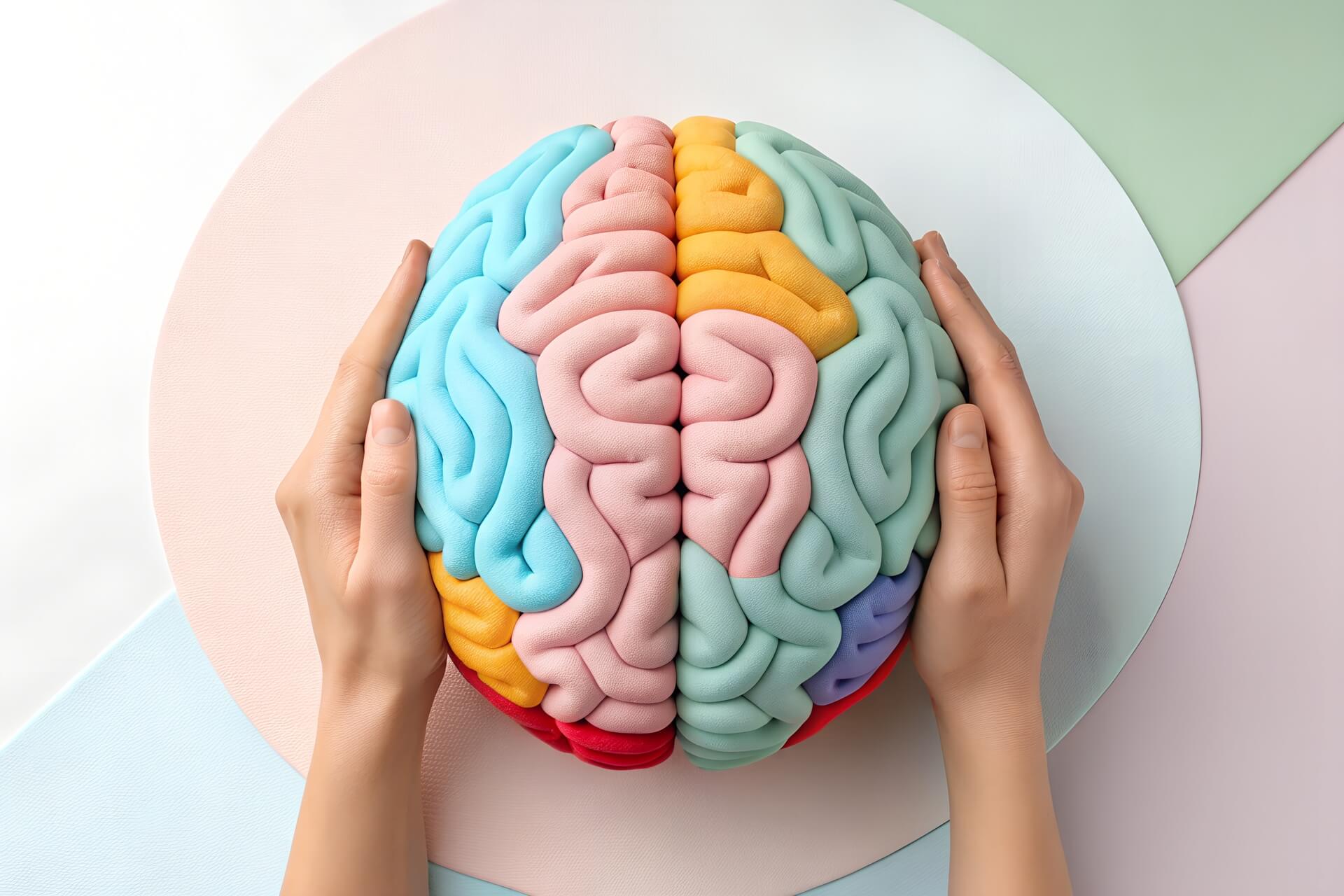
Brain training therapy
Based on the BrainMap results we create a personalized brain training therapy plan, unique in Europe, involving three complementary forms of brain training:
- Neurofeedback (NFB) – Directly trains the brain to regulate its own activity.
- Photobiomodulation (PBM) – Uses therapeutic light to improve circulation and neuron regeneration.
- Heart-brain coherence (HBC) – Regulates neuronal activity, optimizing brain balance.
Each brain training session is tailored precisely to your brain’s specific needs. The therapy takes place in a relaxing and pleasant way, while we continuously monitor progress and adjust the protocol in real time for the best possible results.
Why is brain training so effective?
- ✔️ It addresses the real cause, not just the symptoms.
- ✔️ No medication, no pain.
- ✔️ It stimulates the brain’s natural self-healing power.
- ✔️ Clinically proven results, also used by NASA for astronaut training.
Results that last over time
- ✔️ A significant reduction in health problems.
- ✔️ Improved cognitive and physical performance.
- ✔️ A stable, long-lasting neurological balance.
Clarity changes everything.
Over 20,000 people have followed the BrainMap Protocol and achieved unprecedented results in regulating their conditions and reaching their full potential.
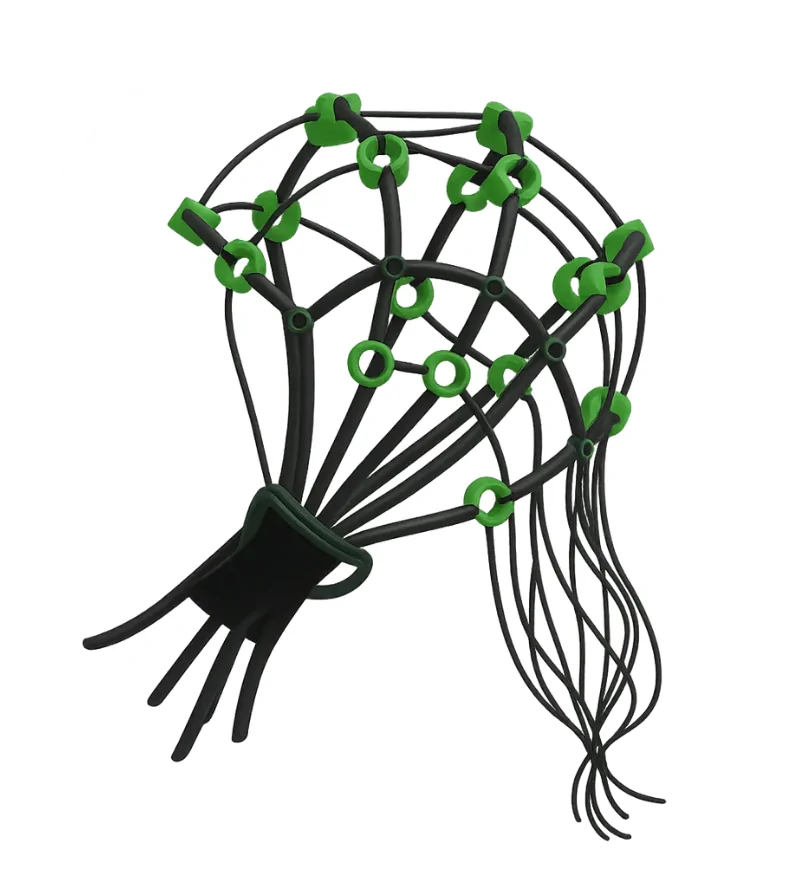
The BrainMap Protocol
“You’re not buying a scan. You’re starting your transformation protocol.”
What’s included:
- ✓The most advanced BrainMapping in Europe (qEEG scan of 80,000 points, 47 brain areas) - 2,000 RON
- ✓Interpretation, explanations and recommendations from the Institute’s founders, who pioneered neurofeedback in Romania (Dr. Alina Diana Nemes and Clin. Psych. Alina Robu) - 600 RON
- ✓Post-BrainMap consultation with a specialist (30–60 min, results discussion + recommendations) - 300 RON
- ✓Personalized Brain Training Plan - 400 RON
- ✓2 brain training sessions included - 600 RON
- ✓Progress check-in and brain optimization report at 30 days - included
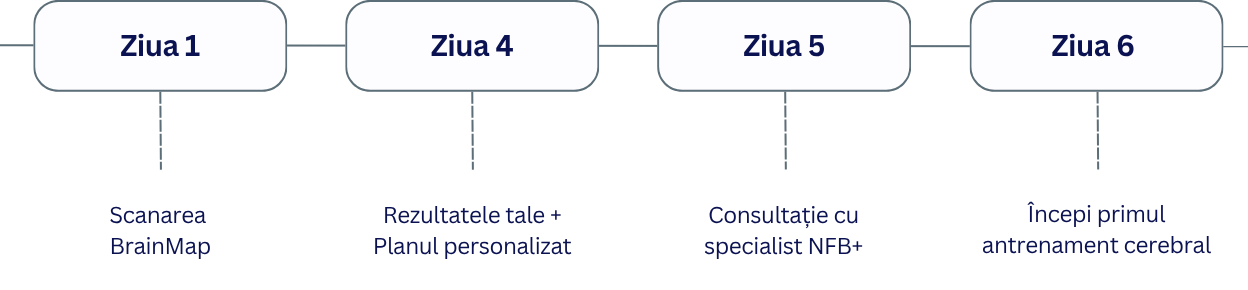
- ✓You receive your results within 3 business days
Total real value: 3,900 RON
Your price today: 2,000 RON
Book onlineOr call us at: 037 171 0020

Need more information before you decide?
Still have questions or doubts? We are here to help! You can benefit from a free 15-minute phone consultation with one of our specialists. We will answer all your questions.
Frequently asked questions
Is neurofeedback scientifically proven?
Yes. Neurofeedback is supported by hundreds of clinical studies published in prestigious international journals. The method is recognized and recommended by global scientific communities such as ISNR, AAPB and BCIA.
Is the BrainMap analysis painful or invasive?
No. The QEEG analysis is completely painless and non-invasive. It only involves placing special sensors on the scalp to record brain activity.
How long does it take for neurofeedback to take effect?
Most people notice significant improvements after 30 sessions, but the positive effects can start to be felt as early as the first 5-6 sessions.
Is neurofeedback suitable for children?
Yes, neurofeedback is safe and effective for children and is frequently used for conditions such as ADHD, anxiety, sleep disorders and behavioral problems.
Do I need to stop my medication to undergo neurofeedback therapy?
It is not necessary to stop your medication to benefit from neurofeedback. Always talk to your doctor before making any changes to your treatment.