How does the brain work on the autism spectrum, and what can bring it into balance?
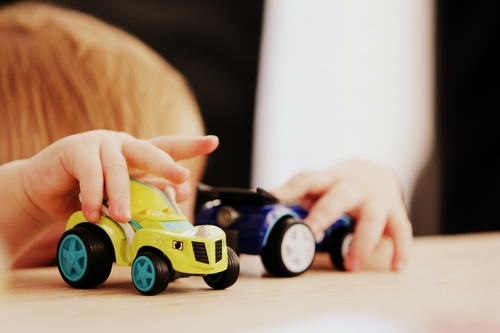
Discover how neurotechnology regulates the brain imbalances associated with the autism spectrum and supports the development of attention, communication and emotional adaptation skills.
What is autism spectrum disorder?
Autism spectrum disorder (ASD) is a lifelong neurodevelopmental condition, characterized by differences in how the brain processes information, interacts with the environment and forms relationships.
Autism does not have a single form. The spectrum is wide, with manifestations unique to each person. At brain level, studies show imbalances in the connectivity between regions and in electrical activity, which influences how a person learns, regulates emotions and adapts to change.
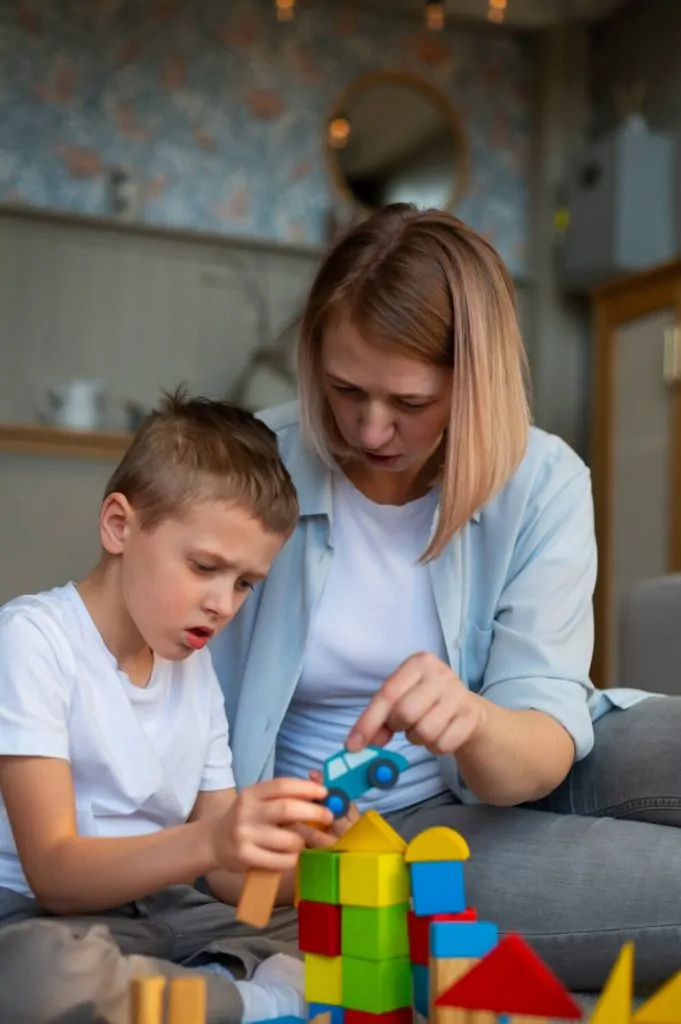
Do you recognize these situations?
Classic treatment methods
These approaches can be effective, but without regulation at the neural level, results hold up variably and sometimes fragilely.
How does it compare with brain training?
Brain training
✅ Addresses the real cause: Yes
✅ Side effects: None
✅ Relapse risk: Low
✅ Personalization: Complete
⏱️ Time to results: After a few sessions
Medication
❌ Addresses the real cause: Symptoms only
❌ Side effects: Yes
❌ Relapse risk: High
⬜ Personalization: Limited
⏳ Time to results: 2–6 weeks
Psychotherapy
⬜ Addresses the real cause: Partially
⬜ Relapse risk: Variable
⬜ Personalization: Standard
❔ Time to results: Variable
How neurotechnology works in the case of autism
What do the studies say?
Three international clinical studies evaluated the effects of neurofeedback in children with autism spectrum disorder (ASD), tracking both the changes in the brain's electrical activity and the impact on behaviour and cognitive functions.
Mekkawy (2021) – The theta/beta ratio
Neurofeedback applied to 42 children with ASD reduced the theta/beta ratio, a marker of the brain's excitatory–inhibitory imbalance. After 40 EEG sessions, increases in beta activity and significant decreases in theta were observed, correlated with cognitive, attentional and social improvements.
Zivoder (2015) – Daily functioning
Applied to 10 children aged 4 to 7 with ASD, the neurofeedback protocol tracked EEG changes and the clinical impact on behaviour. After therapy, assessments by parents, teachers and therapists showed reduced aggression, increased cooperation and improved communication, attention and sensorimotor skills.
Saleem & Habib (2022) – Cognitive functions
The researchers measured changes in attention, working memory, cognitive flexibility and processing speed, alongside CARS clinical scores. Preliminary results showed improved inhibitory control, social communication and adaptability, supporting neurofeedback as a non-invasive, safe and scalable intervention.
Frequently asked questions
1. Does neurotechnology work in more pronounced forms of autism as well?+
Yes. Neuroscience studies show that neurotechnology-based training can bring visible improvements even in more pronounced forms of ASD. The sessions target the regulation of the brain's excitatory–inhibitory imbalances, which translates into increased attention, reduced behavioural rigidity and better sleep.
Over time, this type of intervention helps form more efficient neural pathways that support emotional and social adaptation.
2. How long does it take before the first results appear?+
Most parents notice subtle changes after 10–15 sessions, such as more restful sleep, lower anxiety levels and greater flexibility in daily activities.
Neuroscience explains these effects through the process of neuroplasticity: when the brain is guided to regulate its electrical rhythms, it creates new synaptic connections.
Results usually consolidate over the course of 30–40 sessions, depending on the neurocognitive profile and developmental history.
3. Is the method safe for children?+
Yes. Neurotechnology-based training is completely non-invasive and validated by over 60 years of international clinical research.
The training does not act chemically on the brain: it uses EEG measurements and visual-auditory feedback to stimulate neural self-regulation.
Its safety is supported by the use of this method in paediatric clinics around the world, with no reported side effects.
4. Can it be combined with classic therapies (ABA, speech therapy, psychotherapy)?+
Neurotechnology complements and enhances therapies such as ABA, speech therapy or psychotherapy. By regulating the brain's electrical activity and improving coherence between neural networks, it increases the child's receptiveness to cognitive, language and social exercises.
In practice, it provides more stable neurophysiological ground, which makes the other interventions more effective and longer-lasting.
5. What does a session involve?+
During a session, EEG sensors are placed on the scalp to measure brain activity in real time. The child interacts with a film, a game or an animation that changes according to the brain's reactions.
This feedback teaches the brain to regulate its electrical waves more efficiently. The process is relaxing, painless and experienced by children as an enjoyable activity, but at a neurophysiological level it activates mechanisms of self-regulation, attention and cognitive control.
Have you already tried therapy or medication, but the symptoms persist? Our scientifically validated methods act directly on the brain's imbalances. Beyond easing the effects, this method trains the brain's internal mechanisms for real change.
Through real-time feedback and integrated neuroscience technologies, the brain is guided to correct its imbalanced patterns. The result is better regulation of emotions, attention and everyday behaviour.
The results have been documented in hundreds of clinical studies, demonstrating this method's effectiveness in regulating brain activity and supporting children and adults with ASD
The Saleem & Habib study (2022)
We analyse the brain's electrical activity through a state-of-the-art neurocognitive assessment (qEEG), to identify the areas of abnormal activity associated with autism.
Based on your brain map, you receive the interpretation of the results and a treatment plan adapted 100% to your brain pattern, prepared by Dr. Alina Diana Nemes and Clin. Psych. Alina Robu.
The brain gradually learns to regulate its activity. The sessions are relaxing, non-invasive and support attention, sleep and emotional adaptation, reducing rigidity and daily anxiety.
Brain training unique in the world
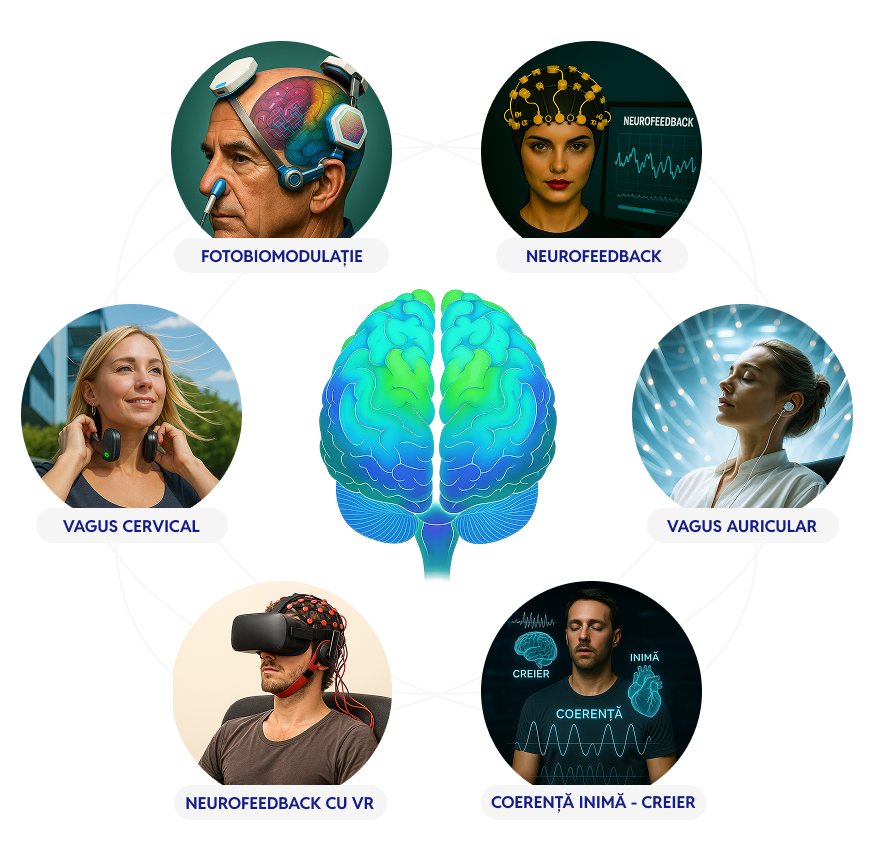
Brain training unique in the world, combining neurofeedback with other complementary neurotechnologies such as photobiomodulation, heart–brain coherence and vagus nerve stimulation, to help you reach your full potential and live the best life possible.
- Results up to 50% faster than classic neurofeedback
- Treats neuropsychiatric and pathological conditions
- Works directly on the cause, not the symptoms
- Restores emotional balance, sleep and mental clarity
- Increases focus, resistance to stress and cognitive performance
- A protocol 100% personalized to the uniqueness of your brain
- Validated by 65+ years of research in neuroscience
Book a free phone consultation with one of the BrainMap Institute's specialists
- You get answers to any questions you have about BrainMap and brain training
- You find out how brain training is applied to the uniqueness of your brain and your situation
- You will know the exact steps to follow to live the best life possible
Effectiveness proven in international scientific studies
What our patients say
Read the experiences of those who overcame their condition.
See testimonialsDo you want to understand what is happening in your brain?
Book a call with the BrainMap Institute's specialists and find out how a BrainMap and brain training can help you.
Book a free call