
What is ADHD really hiding? The answer lies in your brain's rhythm and frequencies.
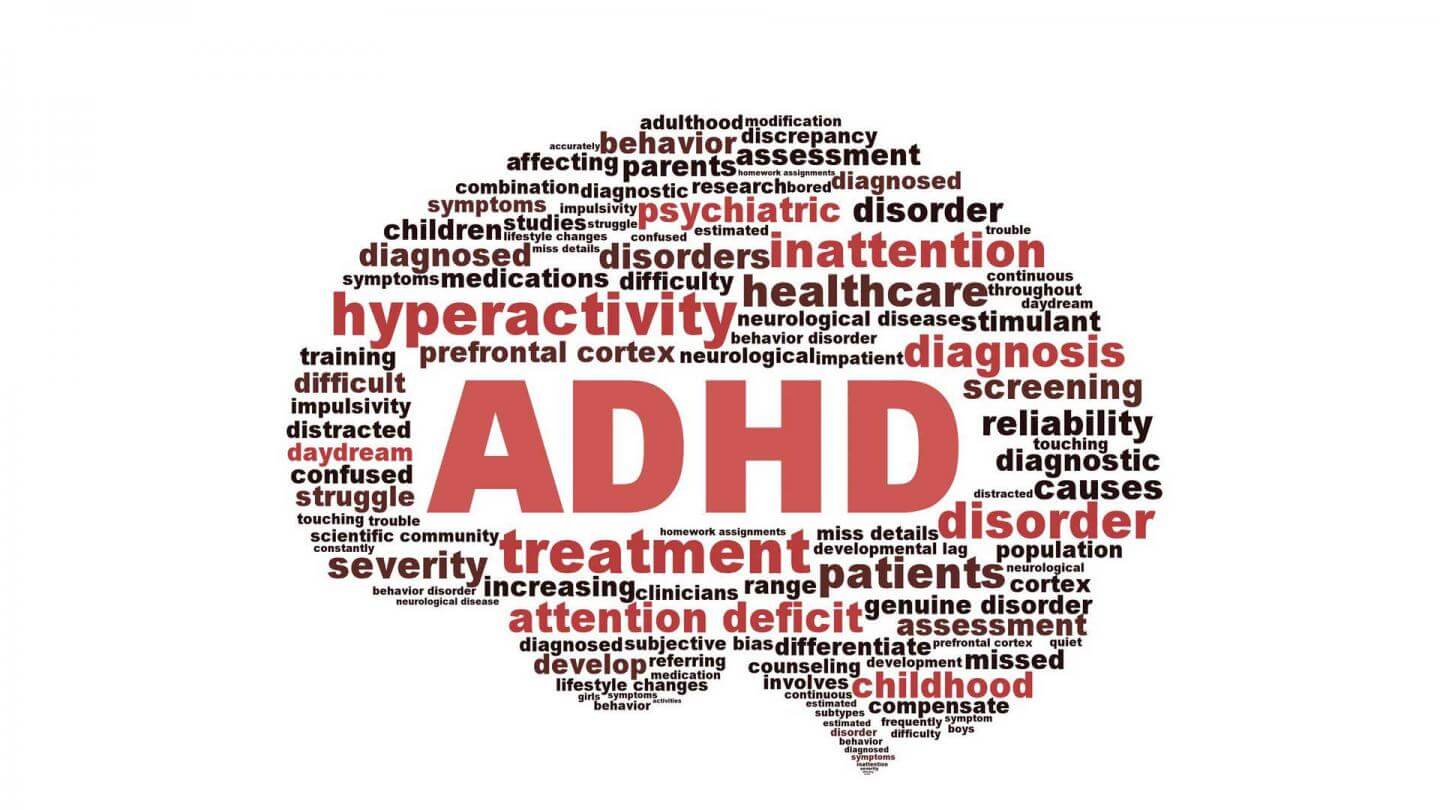
Discover the real cause of ADHD and treat it right at the source, through brain training personalized to the uniqueness of your brain.
What is ADHD?
Attention deficit hyperactivity disorder is a neurodevelopmental disorder with biological roots, affecting the brain's executive functions - especially the ability to sustain attention, control impulses and regulate behaviour according to context.
In children, ADHD often shows up as constant restlessness, difficulty following instructions and marked impulsivity. In adults, the same mechanisms can lead to mental chaos, chronic procrastination, disorganization or difficulty managing emotions.
Although it expresses itself differently depending on age, ADHD is not a problem of willpower or upbringing, but a particularity of how the brain processes information and responds to stimuli.

Do you recognize yourself in any of these situations, or notice them in your child?
- Short attention span and easy distraction, especially in repetitive tasks
- Physical restlessness, a constant need to move or foot-tapping
- Difficulty finishing what you start or following instructions
- Frequently forgetting essential things (keys, homework, appointments)
- A tendency to talk over others, make impulsive decisions or ignore risks
Classic treatment methods for ADHD
Classic ADHD treatment includes a combination of medication (such as psychostimulants that regulate dopamine and norepinephrine levels in the brain), behavioural psychotherapy (especially cognitive behavioural therapy, which helps develop strategies for impulse management and organization) and adapted educational interventions.
For children, parental involvement is also essential, through positive parenting methods, a clear routine structure and motivation techniques. For adults, therapeutic support is often combined with lifestyle adjustments, specialized coaching and support in planning daily activities.
How does it compare with brain training?
Have you already tried therapy or medication, but the symptoms persist? Brain training acts directly on the brain's imbalances. Beyond easing the effects, this method trains the brain's internal mechanisms for real change.
Brain training
✅ Addresses the real cause: Yes
✅ Side effects: None
✅ Relapse risk: Low
✅ Personalization: Complete
⏱️ Time to results: After a few sessions
Medication
❌ Addresses the real cause: Symptoms only
❌ Side effects: Yes
❌ Relapse risk: High
⬜ Personalization: Limited
⏳ Time to results: 2–6 weeks
Psychotherapy
⬜ Addresses the real cause: Partially
⬜ Relapse risk: Variable
⬜ Personalization: Standard
❔ Time to results: Variable
What does brain training do in ADHD?
- Regulates brain activity in the areas responsible for attention and self-control
- Reduces restlessness, impulsivity and disorganized behaviour
- Improves the ability to learn and stay organized
- Supports adaptation in social and school environments
- A completely non-invasive method, adapted to the age and cognitive profile of the child or adult
Backed by 65+ years of neuroscience research
The results have been documented in hundreds of clinical studies, demonstrating this method's effectiveness in regulating brain activity and improving overall health.
What do the studies say?
- Neurofeedback has effects comparable to stimulant medication in reducing inattention and impulsivity.
- The effectiveness is maintained or even grows over time, unlike the fading effects of medication.
- The standard protocols (TBR, SMR, SCP) have been classified as “efficacious and specific” in ADHD treatment.
Meisel et al. (2013) – Randomized study with 23 children:
- Both groups (neurofeedback vs. methylphenidate) showed significant symptom reductions.
- Only the children who did neurofeedback showed visible academic improvements.
- It suggests that neurofeedback supports not just symptom reduction, but overall performance.
Gevensleben et al. (2009) – Multicentre, randomized study with 6-month follow-up:
- 102 unmedicated children underwent either neurofeedback or cognitive training.
- 52% of the children in the neurofeedback group recorded significant improvements, compared with 29% in the control group.
- The effects were maintained or even increased after 6 months.
You do a BrainMap analysis
We analyse the brain's electrical activity through a state-of-the-art neurocognitive assessment (qEEG), to identify the areas of abnormal activity associated with the onset of ADHD.
Frequently asked questions
1. Is it safe and effective for young children?+
Neurofeedback is well tolerated even by young children. The protocol is personalized according to the child's age, developmental level and symptoms. Clinical studies have demonstrated the method's effectiveness in regulating attention, reducing hyperactivity and improving sleep, with no medication.
Most children experience the sessions as a pleasant, interactive activity, especially when video-game elements or engaging visual feedback are used.
2. How long does the treatment last and how many sessions are needed?+
In general, a complete neurofeedback programme involves between 20 and 40 sessions, usually held 2–3 times a week. The duration can vary depending on symptom severity, individual response and the goals set at the start of therapy.
Some children or adults may notice the first improvements even after 10–15 sessions, but for stable, long-term results a complete programme is recommended. Each case is assessed individually and the intervention plan is adapted along the way.
3. What sets neurofeedback apart from other treatments for ADHD?+
Neurofeedback trains the brain to self-regulate its activity, and studies show that for many participants the effects last after the sessions end. It does not create dependence and can be done alongside the treatment recommended by your doctor.
Neurofeedback targets the neurophysiological causes of ADHD, not just the symptoms, and the results can also include additional benefits such as better sleep, reduced anxiety and increased self-confidence.
Brain training acts directly on the imbalanced brain activity that generates ADHD symptoms. With the help of visual and auditory feedback, the brain learns to self-regulate and generate healthy activity patterns.
Gevensleben et al. (2009)
Based on your brain map, you receive the interpretation of the results and a treatment plan adapted 100% to your brain pattern, prepared by Dr. Alina Diana Nemes and Clin. Psych. Alina Robu.
Your brain learns to self-regulate, responding differently to stress, fear and triggers. The training sessions are relaxing, non-invasive and help you reduce the intensity and frequency of panic attacks without medication.
Does neurofeedback also work for adults with ADHD, or only for children?
Yes, it works for adults too. Studies show that adults with ADHD can achieve clear improvements in concentration, organization, impulse management and professional performance. Neurofeedback helps them regain control over their brain activity, better regulate their attention and reduce the feeling of mental restlessness.
Is the procedure painful or tiring for the child?
It is a non-invasive, painless method. It involves no shocks, electrical impulses or medication. The electrodes placed on the scalp only read brain activity - they transmit nothing into the body. Most children feel comfortable during the sessions, and many enjoy the interactive format, which often includes games or videos controlled by their own brain activity. The therapy is designed not to tire the child but, on the contrary, to help them become more relaxed, focused and balanced.
Brain training unique in the world
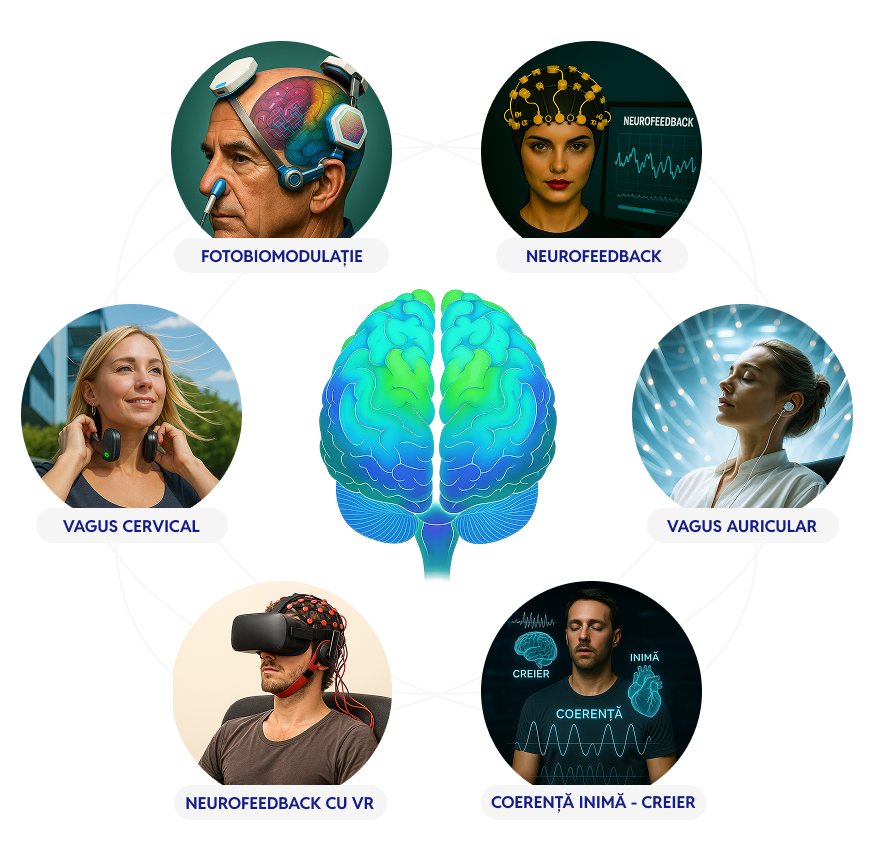
Brain training unique in the world, combining neurofeedback with other complementary neurotechnologies such as photobiomodulation, heart–brain coherence and vagus nerve stimulation, to help you reach your full potential and live the best life possible.
- Results up to 50% faster than classic neurofeedback
- Treats neuropsychiatric and pathological conditions
- Works directly on the cause, not the symptoms
- Restores emotional balance, sleep and mental clarity
- Increases focus, resistance to stress and cognitive performance
- A protocol 100% personalized to the uniqueness of your brain
- Validated by 65+ years of research in neuroscience
Book a free phone consultation with one of the BrainMap Institute's specialists
- You get answers to any questions you have about BrainMap and brain training
- You find out how brain training is applied to the uniqueness of your brain and your situation
- You will know the exact steps to follow to live the best life possible
Effectiveness proven in international scientific studies
What our patients say
Read the experiences of those who overcame their condition.
See testimonialsDo you want to understand what is happening in your brain?
Book a call with the BrainMap Institute's specialists and find out how a BrainMap and brain training can help you.
Book a free call