
Brain training for performance athletes
A protocol dedicated to elite clubs pursuing stability and competitive consistency
Find out how you can make results predictable and protect your club's athletic capital by regulating the neural networks responsible for execution under pressure.

Download the Elite Neuroperformance Infrastructure™ presentation now
The role of the BrainMap Institute in optimizing athletic performance
The BrainMap Institute is a national applied neuroscience organization with a fully proprietary clinical infrastructure, coordinating an extensive network of 15 operational units across the entire country.
Our activity is structured along two fundamental directions, which include clinical interventions for neurorehabilitation and complex processes for optimizing cognitive and executive performance.
This solid medical foundation guarantees the application of rigorous, safe protocols in the sports environment, providing the certainty that all the methods used meet the highest standards of safety and professional ethics.
We provide a solid medical foundation for performance, operating in two directions: Clinical Neurorehabilitation and Executive Optimization.
What we bring to your club's infrastructure:
- ✓Technology and Medical Equipment: We provide the technical instruments needed to assess and train brain functions without requiring additional investment from the club.
- ✓Qualified Personnel: Interventions are coordinated by specialists with the expertise required to operate the equipment and interpret complex data.
- ✓Assessment and Intervention Methodology: We apply a set of working protocols covering the athlete's entire journey, from the initial mapping to continuous progress monitoring.
- ✓Operational Implementation System: We integrate the workflow into the team's existing schedule to ensure an efficient transition to the new performance standard.
Clinical Studies in Sports Performance
Published in international scientific journals

Mental core: Strengthening self-efficacy and emotional stability in elite youth athletes
The transition from youth academies to professional senior rosters represents a critical developmental juncture characterized by escalated competitive pressure and heightened performance anxiety. The MENTAL CORE study investigated the efficacy of a multimodal neurotechnological intervention designed to consolidate athletic self-efficacy and emotional stability in elite youth athletes (U18–U21).
View the study
BRAINCAPTAINS: The Neurophysiological Architecture of Leadership in Elite Team Sports and Its Modulation Through Targeted Neurotechnology
Leadership in elite team sports has traditionally been conceptualized as a psychological or personality-based construct. The present exploratory clinical study proposes an alternative framework, conceptualizing leadership as a measurable and trainable neurophysiological configuration. The BRAINCAPTAINS project investigated whether formally recognized team leaders exhibit a distinct profile of prefrontal cortical efficiency, autonomic regulation, and collective synchronization compared to non-leader athletes
View the study
TACTIBRAIN: Neuroplasticity and Decisional Anticipation in Elite Team Sports
In the high-stakes environment of elite team sports, the temporal window for decision-making is often measured in milliseconds. Traditional training models focus heavily on physical conditioning and technical execution; however, the limiting factor in elite performance is frequently the "tactical bottleneck"-the cognitive delay between stimulus perception and motor response. This study introduces the TACTIBRAIN protocol, a multimodal clinical neurotechnology intervention designed to optimize tactical anticipation and decisional adaptability in elite athletes (football, handball, and basketball).
View the study
REACTISPORT: Reducing the Impact of Competitive Stress on Decision-Making and Motor Precision Through Vagal Recalibration and EEGBased Neuroregulation
Elite athletic performance is frequently compromised in decisive competitive moments due to stressinduced neurocognitive destabilization rather than insufficient technical preparation. Acute stress alters prefrontal cortical functioning, disrupts executive control networks, and reduces autonomic flexibility, thereby impairing decision-making accuracy and fine motor execution.
View the study
REZILISPORT: Prevention of Neurocognitive Exhaustion and Sustained Mental Performance in Elite Athletes During Intensive Competitive Seasons Through Integrated Brain Training
Elite professional athletes competing in high-density seasons are exposed to sustained physical, cognitive, and emotional stressors that may precipitate neurocognitive fatigue before the onset of overt physical decline. The present randomized, controlled, longitudinal multicenter study investigated the efficacy of an integrated brain training protocol in preventing neurocognitive exhaustion and preserving executive, emotional, and autonomic functioning across a nine-month competitive season in elite team-sport athletes.
View the study
NEURORECOVERY ELITE: Accelerating Autonomic and Cerebral Post-Exertion Recovery Through Integrated Neurotechnological Interventions in Elite Sport
In elite sport, congested competition schedules frequently require athletes to perform at maximal intensity with only 48–72 hours between matches. While traditional recovery strategies emphasize muscular and metabolic restoration, emerging evidence indicates that incomplete cerebral and autonomic recovery may compromise decision-making, emotional regulation, and tactical consistency.
View the study
EMOTIACT: Regulation of Performance Anxiety and Consolidation of Emotional Control in HighStakes Matches Through Integrated Brain-Based Training
Performance anxiety represents a critical yet often underestimated determinant of failure in elite sport, particularly during high-stakes competitive moments. Contemporary neuroscience conceptualizes this phenomenon as a neurophysiological imbalance involving hyperactivation of the anterior cingulate cortex (Brodmann areas 24–32), dysregulation of the Salience Network, reduced vagally mediated heart rate variability (HRV), and impaired heart–brain coherence.
View the study
FOCUS 946: Training Executive Areas BA9–10–46 to Enhance Decision-Making Speed and Cognitive Inhibition in Elite Sport through Personalized EEG Neurofeedback
Elite sport performance increasingly depends on neurocognitive efficiency, particularly in positions requiring rapid tactical decisions under pressure. The FOCUS 946 study investigated the effects of a personalized EEG neurofeedback protocol targeting prefrontal executive regions (Brodmann areas 9, 10, and 46) on attentional control, cognitive inhibition, and decision-making speed in elite athletes.
View the study
SYNERGYFIELD: Cerebral and Autonomic Coherence in Team Play – Evaluation and Training of EEG and HRV Synchronization Between Teammates for the Optimization of Collective Performance
Modern elite team sport requires more than the aggregation of individual physical and technical capacities; it demands rapid, nonverbal coordination and shared decision-making under pressure. Emerging evidence from social neuroscience suggests that such collective efficiency may be grounded in measurable neurophysiological synchronization between interacting individuals.
View the studySuccessful people who train their brains for performance:
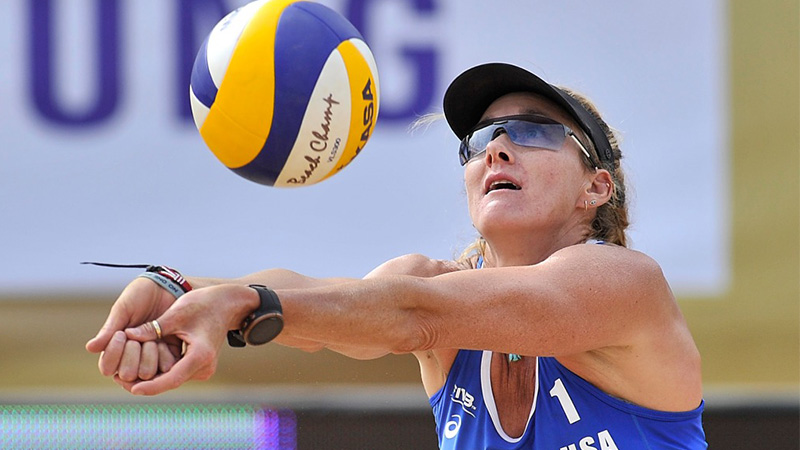




- ★Kerri Walsh-Jennings , Olympic beach volleyball champion
- ★The Italian national football team – won the World Cup in 2006
- ★Canada's Olympic ski team – in 2009, and in 2010 it won the most gold medals at the Olympic Games
- ★The Notre Dame football team
- ★Athletes who have played for the Boston Red Sox.

Dr. Joe Dispenza recommends Neurofeedback as:
"The technology that speaks to the brain in a language it understands and eliminates the bad habits created by our neurons over time."

How we turn neural stability into a strategic advantage
Top clubs have reached a level of parity in physical preparation, video analysis, nutrition protocols and load monitoring.
Because these resources are available to every major competitor, real differentiation in the standings no longer comes from isolated moments of inspiration or from spectacular individual actions, but from the collective capacity to maintain a stable level of performance throughout every match and across the entire season.
The hidden cost of neural instability:
- !Micro-fluctuations: Decisions made a split second too late.
- !Reactivity: Disproportionate emotional responses in moments of tension.
- !Degradation: Loss of focus under fatigue in the final 15 minutes.
- !Volatility: Lost points that directly affect league position and revenue.
The 4 Pillars of Stability:
Stable athletic performance is the direct result of an optimal balance between several specialized neural systems that must work in an integrated way under competitive stress. Our protocol targets the stabilization of four fundamental pillars of brain activity:
| Neural Pillar | Role in Performance | Result on the Field |
|---|---|---|
| Executive Networks | Coordinating strategic decisions | Tactical clarity under maximum pressure |
| Emotional Networks | Managing stress and frustration | Quick recovery after mistakes / Eliminating unnecessary fouls |
| Synchronization Networks | Aligning reactions between players | Fluid transitions and group unity |
| Autonomic System | Regulating physiological calm | Preventing impulsivity and performance blocks (choking) |
When these systems reach a high level of neural stability, decisions become coherent, reactions remain controlled, and the team maintains its efficiency throughout the entire competition.
The strategic objective of the BrainMap Institute is to reduce performance variability through interventions targeting the networks that dictate continuity and long-term success.
Brodmann Area Analysis: The zones that dictate the result

Network Assessment: Coherence and Collective Synchronization
Beyond individual areas, we assess how the brain communicates internally through specific neural networks. This stage turns biological data into strategic information:
Executive Control Network
Objective: Ensuring decision-making consistency throughout the full 90 minutes.
Benefit: Maintaining the same level of mental clarity from start to finish.
Salience Network
Objective: Filtering out irrelevant external stimuli.
Benefit: The athlete stays focused on decisive plays, ignoring disruptive factors (crowd, pressure, fatigue).
Synchronization Networks (Team Sports)
Objective: Aligning reactions between teammates.
Benefit: Eliminating tactical desynchronization and positional overlaps, and increasing fluidity in transitions.
This mapping stage allows the club to understand the deep causes of form fluctuations and to intervene surgically where vulnerability is greatest.
The Neuroperformance Stack™: The combined neural regulation protocol
Because athletic performance is the result of the interaction between executive control, emotions and stress, we have structured a protocol that addresses each level of stability in a specific, measurable way.
We use six precision technologies, used in advanced neurology and adapted for the intensity of elite sport:
| Technology | Main Objective | Direct Athletic Impact |
|---|---|---|
| Neurofeedback | Stabilizing executive and emotional areas (BA46, BA24). | Stable decisions and superior emotional control under pressure. |
| HRV Coherence | Regulating the autonomic nervous system. | Physiological calm and the elimination of impulsivity in critical moments. |
| Vagal Stimulation | Balancing the stress response. | Rapid recovery after exertion or moments of high tension. |
| Photobiomodulation | Supporting neuronal cellular metabolism through light. | Cognitive clarity and prevention of brain fatigue. |
| Auditory Therapy | Stabilizing brain rhythms through frequencies. | Sustained focus and distributed attention over long periods. |
| Tactical Synchronization | Aligning neural communication networks. | Fluid transitions and fewer coordination errors within the team. |
Why a Combined Protocol?
To ensure consistent performance, training a single function is not enough. Our system works in an integrated way:
Multi-Level Approach
We intervene simultaneously on the brain (central) and the nervous system (peripheral).
Risk-Free
Non-invasive, substance-free technologies, compliant with anti-doping standards.
Adaptability
Each component of the stack is calibrated according to each athlete's brain map (mapping).
Measurability
Every brain training session produces data that confirms the progress of stability.
Through The Neuroperformance Stack™, we turn the vulnerabilities identified at mapping into strengths, giving the athlete a stable, efficient mental "operating" system for the entire duration of the season.
The process is designed to be absorbed organically, without disrupting the physical training schedule.
The two-stage structure allows the impact to be validated before scaling.
Stage 1: The Strategic Pilot (4–6 Weeks)
Objective: Demonstrating effectiveness on a selected group (squad leaders or a tactical unit).
- ➜Full Mapping: EEG and HRV profiles to identify areas of vulnerability.
- ➜Structured Training: Applying the entire technology stack in scheduled sessions.
- ➜Data Correlation: Analyzing the link between neural stability and on-field performance.
- ➜Decision Report: Presenting objective results to management.
Stage 2: Permanent Integration
Objective: Turning neuroperformance into the club's stable standard.
- ➜Seasonal Maintenance: Regular sessions to maintain executive stability.
- ➜In-Competition Support: Pre-match activation protocols and interventions during congested periods.
- ➜Academy Extension: Integrating the methodology into the youth development pipeline.
The benefits of applied neuroscience in elite sport

The objective of the Elite Neuroperformance Infrastructure™ is achieving high squad predictability. We are not aiming for a fleeting peak of form, but for stabilizing it as the athlete's new baseline standard throughout the season.
Concrete transformations in game dynamics
Implementing the protocol gives the technical staff a more responsive, more stable squad, visible through four key indicators:
Decision consistency
Maintaining tactical clarity and correct decisions in the final minutes (90+). Tactical benefit: Fewer errors caused by cognitive fatigue.
Emotional balance
Maximum focus in tense duels and in moments with unfavourable refereeing decisions. Tactical benefit: Quick recovery after a mistake and fewer disciplinary sanctions.
Collective synchronization
Unified reactions and alignment between athletes in transition phases. Tactical benefit: Fewer desynchronizations and smoother team play.
Stress resilience
Better control of the autonomic system to deliver at high capacity under pressure. Tactical benefit: Reduced competitive anxiety in high-stakes matches.
Benefits for Management
For the executive leadership, the Elite Neuroperformance Infrastructure™ works as an insurance policy for the massive investments made in the playing squad.
Beyond the results on the scoreboard, the infrastructure turns performance from an unpredictable variable into a data-managed asset, securing the club's financial and sporting future.

| Neural Pillar | Role in Performance | Result on the Field |
|---|---|---|
| Executive Networks | Coordinating strategic decisions | Tactical clarity under maximum pressure |
| Emotional Networks | Managing stress and frustration | Quick recovery after mistakes / Eliminating unnecessary fouls |
| Synchronization Networks | Aligning reactions between players | Fluid transitions and group unity |
| Autonomic System | Regulating physiological calm | Preventing impulsivity and performance blocks (choking) |
By integrating this system, the club gains unprecedented control over the factors that erode performance in critical moments:
Consistency under pressure
3-4 points gained by avoiding late errors can decide an entire season.
Competitive Maturity
Athletes become able to deliver at full capacity regardless of the stakes of the match.
Risk Management
Early identification of "burnout" or focus-loss risks before they affect the team's results.
This is how we turn invisible instability into a structural advantage. Performance is no longer an unpredictable variable, but an asset managed through objective data.
Turn invisible instability into a structural advantage
If you want to eliminate performance variability and secure a consistent run in the championship, the Elite Neuroperformance Infrastructure™ is the complete solution.