
What is stress? Types of stress, symptoms and solutions
Stress: types, symptoms and solutions. See how the body reacts to daily pressure, when stress becomes harmful and what helps you manage it.
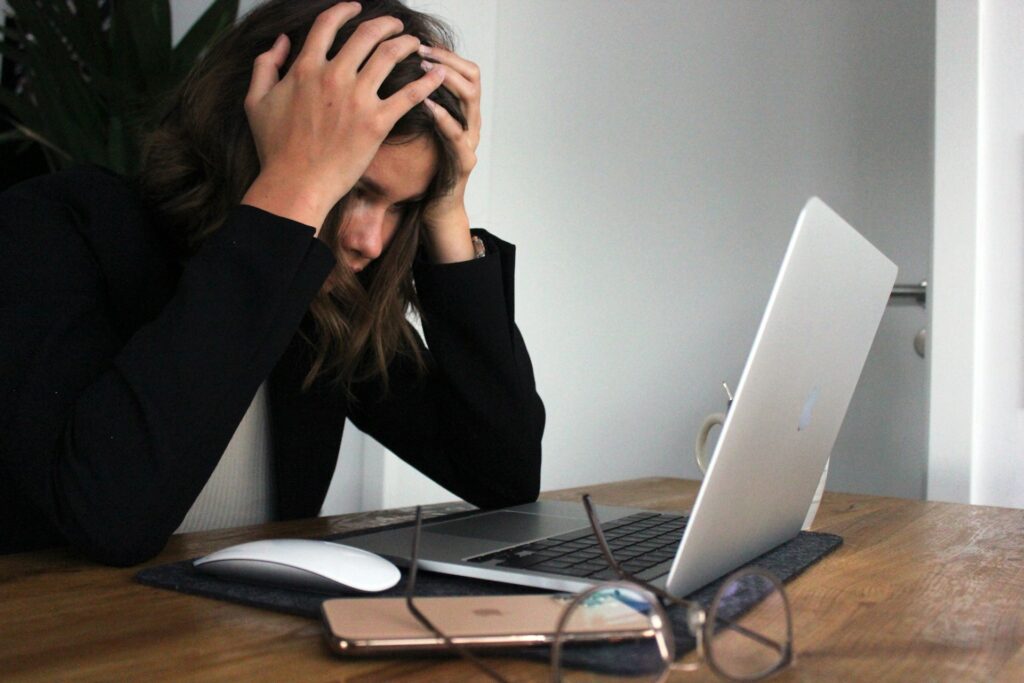
Stress is a natural reaction of the body to the demands and pressures of everyday life, but when it becomes overwhelming or constant it can significantly affect our physical and mental health. In what follows we will look at what stress is, the different forms it can take, its specific symptoms and the solutions that can help us manage it effectively. Understanding stress and the mechanisms of adaptation is essential for a balanced life and for preventing negative long-term effects.
What is stress?
Stress is a complex reaction of the body and mind to situations perceived as threatening or demanding, and it triggers a series of physical and psychological responses. This reaction is also known as the “fight or flight response”, an evolutionary mechanism that helps the body cope with danger. In situations of acute stress, the body releases hormones such as adrenaline and cortisol, which raise the heart rate, blood pressure and energy level. Although this response can be useful in the short term, prolonged or chronic stress can lead to serious health problems.
Besides the physiological reactions, stress also has a significant impact on our mental and emotional state. It can cause anxiety, irritability, difficulty concentrating and even depression in severe cases. Stress can be classified into several types: acute stress, which is short-lived and appears in specific situations; episodic acute stress, which is frequent in people who live constantly in a state of tension or agitation; and chronic stress, which is present over a long period of time and is often associated with difficult life circumstances. Understanding and identifying the type of stress are important steps towards managing it effectively.
Types of stress
Eustress
Eustress is the positive form of stress, a concept developed to describe those situations in which stress not only fails to harm the body but actually stimulates and motivates it to perform better. Unlike negative stress (distress), which drains energy and damages health, eustress arises in the face of pleasant challenges, such as the start of a new project, a sports competition or the organization of an important event. Eustress stimulates the nervous system, releasing adrenaline and dopamine, hormones that provide energy, improve concentration and create a feeling of enthusiasm. This type of stress is essential for personal and professional growth, because it encourages people to go beyond their limits, giving them a dose of confidence and satisfaction when the task is successfully completed.
Acute stress
Acute stress is the most common form of stress and it appears in the wake of unexpected events or momentary situations that provoke an immediate reaction. It is short-lived and usually poses no major health risk, and the body recovers quickly once the stressor disappears. Examples of acute stress include a deadline at work, a public presentation or a relationship conflict. The symptoms can include muscle tension, temporary anxiety and an increased heart rate. Although these manifestations can be unpleasant, acute stress usually has no long-term effects.
Episodic acute stress
Episodic acute stress appears in people who frequently experience episodes of acute stress. People with a disorganized, often hectic lifestyle, or those who constantly face deadlines and pressure, can develop this type of stress. Those affected tend to be tense and agitated all the time, and their symptoms include anxiety, irritability and, often, sleep problems. Episodic acute stress can become harmful in the long run, affecting both physical and mental health if it is not managed properly.
Chronic stress
Chronic stress is the most harmful type of stress and it appears when a person faces prolonged stressful situations, for example financial difficulties, serious health problems or dysfunctional relationships. Chronic stress can lead to mental and physical exhaustion and is associated with severe conditions such as cardiovascular disease, diabetes or depression. Unlike acute stress, which triggers a temporary reaction, chronic stress keeps the body in a continuous state of alert, thereby weakening the immune system and increasing the risk of illness. Managing chronic stress requires long-term strategies and, often, specialist help.
The causes of stress
Pressure at work
Excessive pressure and demands at work are among the most frequent causes of stress. Multiple tasks, tight deadlines and high or unrealistic expectations on the part of superiors can generate acute and even chronic stress, especially when the workload is too heavy or when the employee does not have the resources needed to carry out their duties. Job insecurity, conflicts with colleagues or a lack of balance between professional and personal life also add to this, all of them contributing to a higher level of stress. Employees who face such situations can develop anxiety, sleep problems and even professional exhaustion (burnout), an extreme form of chronic stress.
Financial problems
Financial difficulties are another major cause of stress and are often associated with a feeling of insecurity and lack of control. Unpaid bills, debts, the risk of losing your home or the inability to support your family financially are examples of stressful situations. Financial stress can become chronic, generating a cycle of continuous worry, depression and even health problems. People in this situation often experience physical symptoms such as headaches, insomnia or digestive problems, because the body reacts to the constant tension generated by economic uncertainty.
Relationship problems
Conflicts and difficulties in personal relationships, whether within the family, in a couple or between friends, are another significant source of stress. Misunderstandings, lack of communication or trust issues can cause intense emotional stress. Separation, divorce or the loss of a loved one are likewise triggers of acute and chronic stress and deeply affect our mental and emotional state. People going through such situations can develop symptoms such as anxiety, depression and a loss of self-esteem, and they often need emotional support and counselling in order to get through the difficult moments.
Health problems
Serious or chronic medical conditions, such as cardiovascular disease, diabetes or cancer, are significant causes of stress, both for those directly affected and for their families. The stress associated with health problems comes from the uncertainty about how the illness will progress, from complex treatments and from the impact on everyday life. In addition, people with serious conditions can experience a decline in their quality of life and in their ability to carry out their daily activities, which makes the stress even worse. In such cases stress can lead to severe anxiety and depression, and stress management strategies and psychological support become necessary.
Major life changes
Even positive changes, such as getting married, moving to a new house or starting a new job, can be stressors. They require adjustment and adaptation to new circumstances, and the process of transition can bring uncertainty and anxiety. Negative changes, such as losing a job, divorce or the death of someone close, can trigger intense and long-lasting stress. In such situations the body remains in a prolonged state of alert, and the person can develop symptoms of chronic stress if they fail to adapt or do not receive the support they need in order to cope.
Social pressure and expectations
Social expectations and pressure are a frequent cause of stress, especially in the current context, in which personal image and success are constantly on display and under evaluation on social media. Young people and adults alike face pressure related to professional achievements and to standards of beauty or success. Comparing yourself to others and trying to live up to society's standards can lead to a state of insecurity, anxiety and chronic stress, especially if those standards are unrealistic and therefore impossible to reach. This type of stress is often associated with low self-esteem and can cause a series of emotional problems.
Family responsibilities
Responsibilities linked to caring for the family can generate a high level of stress, especially for people who have to divide their time between professional and personal life. Looking after children, supporting the family financially or caring for a sick family member can be overwhelming and lead to physical and emotional exhaustion. This constant responsibility is a source of chronic stress and can affect personal relationships as well as mental and physical health. In such cases it is important for people to find support within the family or the community so that they can manage the situation better.
Environmental problems
Environmental factors such as noise, crowding, pollution and living in an unsafe area can trigger long-term stress. In urban environments in particular, people can be exposed daily to stressors that seem insignificant but can build up over time and affect health. Noise pollution or a high population density, for example, can generate anxiety, tension and irritability, contributing to a general state of stress. Constant exposure to an unfavourable environment can increase the risk of psychosomatic illnesses, such as sleep disorders and mental health problems.
The symptoms of stress
Anxiety
Anxiety is a common symptom of stress and manifests itself through constant feelings of unease, fear or worry. People affected by stress tend to feel threatened or insecure even in ordinary situations, and negative thoughts and worries become predominant. Anxiety can affect concentration and decision-making and can lead to the avoidance of everyday situations or to the postponement of deadlines, thereby making the state of stress worse.
Irritability and mood swings
Stress can lead to changes in mood, including irritability, anger or frustration. Stressed people often become more reactive and can get upset more easily, even over minor problems. This symptom affects not only the person concerned but also their relationships, increasing tension and making communication with those around them more difficult.
Difficulty concentrating
Stress affects the ability to concentrate and to process information, making it difficult to carry out complex tasks or even routine activities. Stressed people have difficulty keeping their attention on a given subject and can experience frequent memory lapses. These difficulties can affect performance at work and can create a feeling of inefficiency, which amplifies the stress.
Sleep problems
Insomnia and other sleep disorders are frequent symptoms of stress. People affected by stress have difficulty falling asleep or staying asleep, and their sleep can be interrupted by nightmares or anxious thoughts. The lack of quality sleep leads to fatigue and lower energy, affecting the ability to cope with daily challenges and heightening the level of stress.
Muscle pain and tension
Stress causes the body to enter a state of alert, which can lead to muscle contraction and a feeling of tension in certain parts of the body, such as the neck, shoulders and back. Chronic muscle pain is often a symptom of persistent stress and can aggravate other physical and mental symptoms, contributing to a general state of discomfort and irritation.
Digestive problems
Stress can have a negative impact on the digestive system, causing symptoms such as nausea, heartburn, abdominal cramps or constipation. This happens because stress activates the sympathetic nervous system, which can affect digestion. Stressed people may notice an increase in digestive sensitivity and can develop conditions such as irritable bowel syndrome, especially if the stress becomes chronic.
Lower immunity
Chronic stress weakens the immune system, making the body more vulnerable to infections and illness. Stressed people may notice that they fall ill more often, catch colds easily or have frequent infections. This link between stress and immunity is due to stress hormones such as cortisol, which in high and constant doses can affect the immune response.
Cardiovascular problems
Stress raises blood pressure and heart rate, and in cases of chronic stress these effects can become dangerous for cardiovascular health. In the long term, stressed people have an increased risk of hypertension, heart attacks and other heart diseases. Keeping the body in a continuous state of alert overloads the cardiovascular system, causing wear on the blood vessels and the heart.
Lower performance at work or in daily activities
People affected by stress often face a decline in their efficiency in daily activities or at work. Difficulty concentrating, fatigue and a lack of motivation lead to reduced productivity and to performance below expectations, which can cause frustration and a feeling of unfulfilment. This contributes to a vicious circle of stress, further affecting quality of life and wellbeing.
The stressed brain
The brain plays an essential role in triggering and managing the stress response, a process that involves the activation of several brain regions and the release of specific neurotransmitters. When a person is faced with a stressor, the brain interprets the situation as a threat and initiates a complex defensive reaction. The first signal comes from the amygdala, a structure of the limbic system responsible for processing emotions, particularly fear and anxiety. The amygdala sends signals to the hypothalamus, which activates the sympathetic nervous system, preparing the body for „fight or flight” by releasing stress hormones such as adrenaline and cortisol. This activation is crucial for short-term survival, but when it is continuous it can have negative effects on the health of the brain and of the body.
Cortisol, one of the main stress hormones, is released by the adrenal gland under the control of the hypothalamus and the pituitary gland. In the brain, high cortisol levels can affect the functioning of the regions involved in thinking, memory and the regulation of emotions. The hippocampus, a brain region that is essential for memory and learning, is particularly vulnerable to the effects of cortisol. Prolonged exposure to cortisol can reduce the volume of the hippocampus and can impair the ability to store information. Similarly, the prefrontal cortex, which is involved in decision-making and in the regulation of behaviour, can be affected by chronic stress, leading to difficulties in managing emotions and to a reduced ability to deal with problems.
Neurotransmitters such as noradrenaline and dopamine also play an important role in the stress response. Noradrenaline helps increase attention and prepares the body for action, while dopamine is involved in reward and motivation. Under stress, the level of these neurotransmitters can fluctuate, which can lead to a state of agitation or to a feeling of exhaustion and lack of energy. These changes in the balance of neurotransmitters also affect other brain functions, increasing the risk of anxiety and depression, especially in the case of prolonged stress.
The way the brain responds to stress is also influenced by genetic factors and by early life experiences. People who lived through traumatic events in childhood or adolescence can have an exaggerated response to stress because of structural and functional changes in the brain. Prolonged exposure to stress in childhood, for example, can lead to a constant activation of the amygdala and to a high level of cortisol, which in turn weakens the ability of the hippocampus and the prefrontal cortex to manage stress in adult life. These people can therefore become more vulnerable to stress, anxiety and depression.
Another important factor is individual resilience , that is, a person's ability to adapt and to cope with stressors. It can be influenced by a mix of genetic and environmental factors, but also by social support and by the coping strategies the person has learned over the course of their life. Practices such as meditation, physical exercise and relaxation techniques can increase resilience by regulating the brain's stress response and reducing the activity of the amygdala. These practices also help strengthen the prefrontal cortex, which supports emotional control and better long-term stress management.
The “stressed brain” is therefore a complex interaction between brain structures, neurotransmitters and life experiences. While acute stress can be manageable and even beneficial, chronic stress leads to significant neurological changes that affect mental and physical health. Understanding the brain mechanisms of stress and identifying strategies for reducing it are essential for a healthy and balanced life.
The impact of stress on everyday life
The impact on physical health
Chronic stress has profound effects on physical health, contributing to conditions such as high blood pressure, cardiovascular disease, diabetes and digestive problems. Kept constantly in a state of alert, the body exhausts its resources and the immune system weakens, making it more vulnerable to infections and illness. Stress can also manifest itself through immediate physical symptoms such as headaches, muscle tension and breathing problems, which affect comfort and quality of life.
Physiological changes
As stress affects the body, numerous physiological changes take place. Stress hormones such as cortisol and adrenaline rise in the body, affecting metabolism, heart rate and blood glucose levels. Over time, stress can lead to chronic inflammation and to the premature ageing of cells. It can also lead to skin problems, such as acne and eczema, as a result of hormonal imbalances.
The impact on mental health
Prolonged stress affects mental health and is often associated with conditions such as anxiety, depression and burnout syndrome. Stressed people can find it hard to manage their emotions and may feel overwhelmed, which reduces their ability to function effectively. Chronic stress lowers self-confidence and can worsen emotional problems, making recovery harder and calling for psychological support to restore the balance.
The impact on social relationships
Stress can also affect relationships with those around us, leading to irritability, isolation and difficulty communicating. Stressed people become more sensitive to conflict and less willing to cooperate or to interact positively. This can create tension in family relationships, at work or within a circle of friends, amplifying the stress and creating a vicious circle that is hard to break. Over time, social relationships can weaken or even fall apart because of the difficulty of maintaining positive connections.
The impact on productivity and performance
Stress affects the ability to concentrate, memory and creativity, which reduces performance at work and in everyday activities. Stressed people find it difficult to organize their tasks and to keep their attention focused, and they are more prone to mistakes and delays. This can lead to lower productivity and to a feeling of frustration, which further affects wellbeing and self-confidence.
How can you manage stress in a healthy way?
- Preventing stress
Preventing stress means adopting a balanced lifestyle and healthy habits that reduce exposure to stressors and increase the body's resistance to them. A balanced diet, adequate sleep, regular physical activity and effective time planning all help keep the level of stress low. Practicing relaxation techniques, such as meditation and deep breathing, can also help maintain calm and prevent exaggerated reactions to stress. Solid social support, through positive interactions with family and friends, offers a natural outlet and emotional backing, reducing vulnerability to stress.
- Therapies and stress management methods
There are many therapies and techniques that can help manage stress, among them psychological counselling, cognitive behavioural therapy and relaxation techniques such as mindfulness. Cognitive behavioural therapy helps identify and change the negative thoughts that contribute to stress, while mindfulness and guided meditation help anchor us in the present, thereby reducing anxiety. Regular physical exercise, such as running, swimming or walking, is also effective in reducing the level of stress.
- Neurofeedback
Neurofeedback is an innovative stress management technique that uses technology to monitor brain activity and provide feedback in real time, helping patients' brains change the brain patterns associated with stress. During a neurofeedback session, the patient perceives a representation of their brain activity in the form of visual, auditory or tactile stimuli. Through regular training, this technique can regulate the response to stressors and anxiety, increasing both mental resilience and the capacity for relaxation.
- Photobiomodulation
Photobiomodulation is a stress management method that uses red or infrared light to stimulate cell regeneration and reduce inflammation, with beneficial effects on overall wellbeing. This technique helps stimulate the mitochondria in cells, improving energy production and reducing the physiological effects of stress on the body. Photobiomodulation can help improve sleep quality, reduce muscle pain and increase energy levels, which can also relieve the symptoms associated with stress.
- Heart-brain coherence
Heart-brain coherence is a state of harmonious synchronization between the heart rhythm and brain activity, which can be achieved through breathing techniques and by focusing on positive emotions. This practice stimulates the parasympathetic nervous system and helps regulate the stress response, creating a state of calm and inner balance. Through coherence training, patients learn to reduce their reactivity to stress and to maintain a state of inner quiet even in tense situations. Practicing heart-brain coherence regularly can improve psychological wellbeing and reduce the negative impact of stress on physical and mental health.
Discover how brain training therapy can become a powerful ally in countering stress and its negative effects on mind and body. This non-invasive method helps you improve your control over your reactions to stress and increase your mental resilience. If you are ready to take action in order to live a more balanced and tension-free life, book a free consultation with a specialist today and take the first step towards a healthier life.
🧠 How does your brain work?
Download the guide for FREE and find out what your brain map shows.
📖 Our books - Real case studies with brain maps
📖 Vindecarea Depresiei (Healing Depression, in Romanian) - 29.00 RON
📖 Vindecarea Anxietatii (Healing Anxiety, in Romanian) - 29.00 RON
📖 Eliminarea Atacurilor de Panica (Ending Panic Attacks, in Romanian) - 29.00 RON
Do you want to understand what is happening in your brain?
Book a consultation with the BrainMap Institute's specialists and find out how a BrainMap and brain training can help you.