
The human brain - role, anatomy, functions and 50 facts
The human brain: anatomy, functions and curiosities. See how the central organ of the nervous system is built and how it coordinates thought and perception.
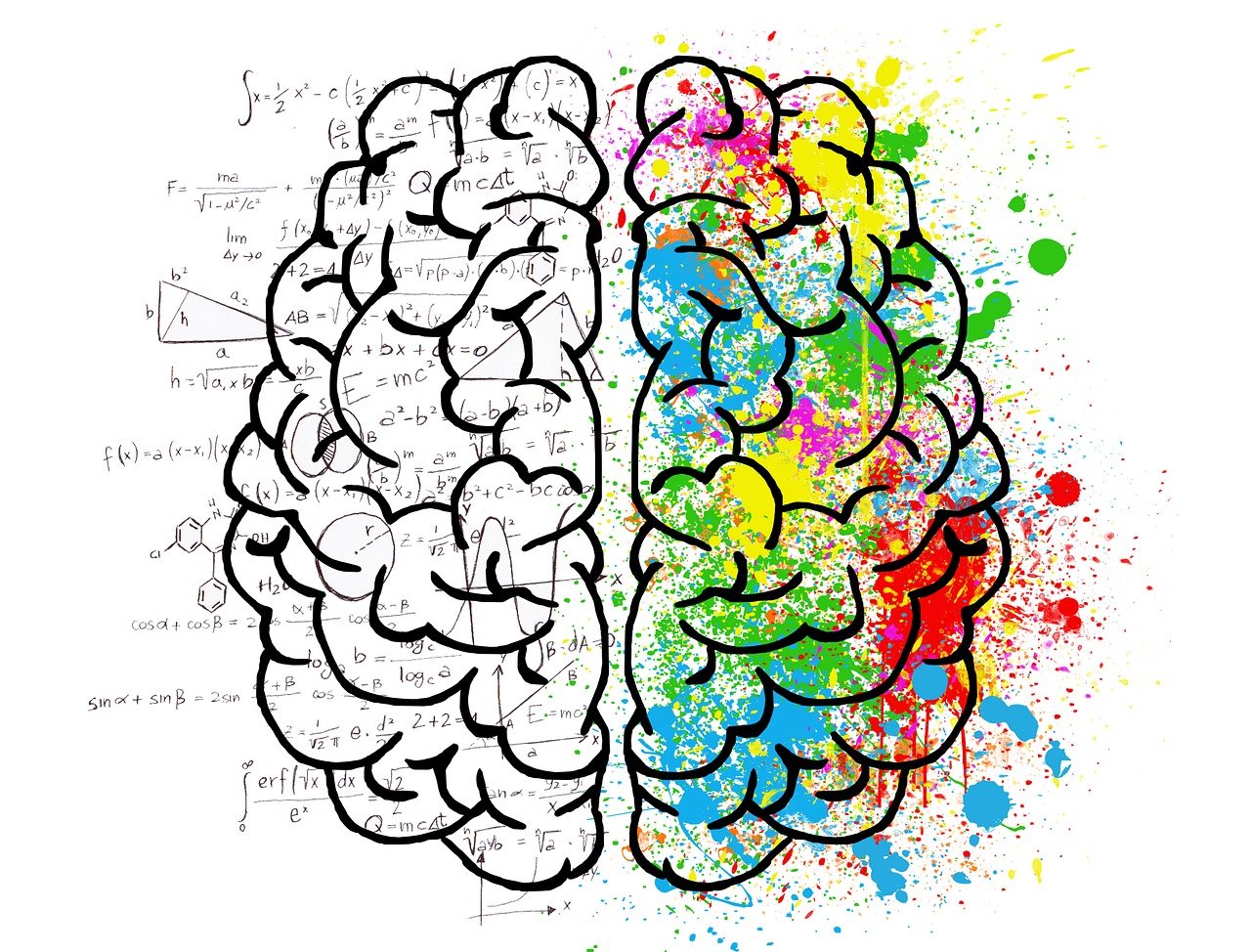
The human brain is the central organ of the nervous system and one of the most complex structures known in the universe. Responsible for thinking, perception, coordination and many other vital functions, the brain is made up of roughly 86 billion neurons interconnected through trillions of synapses. This remarkably sophisticated structure, weighing around 1.4 kilograms, is composed of approximately 75% water. As our understanding of the brain advances, we uncover new details about how the human brain works and about the complex mechanisms behind cognitive and motor activity.
The anatomy of the human brain
The human brain is a complex structure, divided into several regions that contribute to its diverse and vital functions. Split into two hemispheres and further divided into lobes, each part of the brain carries out specific functions that make movement coordination, sensory processing and cognitive activity possible. Below we explore the main structures of the brain: the hemispheres, the lobes, the cerebellum and the brainstem.
The cerebral hemispheres
The human brain consists of two cerebral hemispheres, left and right, connected by a structure of nerve fibres called the corpus callosum. Each hemisphere controls the opposite side of the body - the left hemisphere controls the right side and vice versa. Although they work together, each hemisphere has distinct roles.
The left hemisphere is frequently associated with logic, language and analytical thinking. It is responsible for processes such as writing, mathematical calculation and the interpretation of words and sentences. In general, the left hemisphere tends to be dominant in right-handed people, and activities involving logical, sequential thinking and planning are concentrated here. It is also more active when learning a new language and when carrying out detailed analysis.
The right hemisphere, on the other hand, is often associated with creativity, emotions and intuitive thinking. It interprets non-verbal cues, imagination, music and art, and tends to be more active in left-handed people. The right hemisphere is crucial for understanding the emotional context of language, for spatial interpretation and for face recognition. Broadly speaking, this hemisphere provides the ability to “see the whole”, interpreting information in a holistic way.
The corpus callosum is a thick structure of nerve fibres that connects the two hemispheres of the brain, enabling communication and coordination between them. Located in the centre of the brain, the corpus callosum acts as a “bridge” through which the left and right hemispheres can transmit and integrate information in real time. This connection is essential for complex functions that require inter-hemispheric cooperation, such as language, coordinated movement and visual integration. In the rare cases where the corpus callosum is damaged or severed (as happens in some epilepsy treatments), communication between the hemispheres is limited and functions requiring bilateral integration can be impaired, a phenomenon known as “split-brain syndrome”.
The cerebral lobes
Each cerebral hemisphere is divided into four lobes: frontal, parietal, temporal and occipital. These lobes carry out specific functions that help integrate and coordinate different types of information.
- The frontal lobe - Located in the front part of the brain, the frontal lobe is considered the brain's command centre, being responsible for functions such as decision-making, critical thinking and planning. It plays an essential role in the control of voluntary movement, social behaviour, language and the ability to anticipate the consequences of actions. This is also where the primary motor cortex sits, sending commands to the muscles.
- The parietal lobe - Located between the frontal and occipital lobes, the parietal lobe handles sensory information, being responsible for spatial perception, the sense of touch and the processing of information from the skin, such as temperature, pressure and pain. The parietal lobe also contributes to the integration of visual and auditory information and to orienting the body in space.
- The temporal lobe - Located laterally, beneath the parietal and frontal lobes, the temporal lobe plays an important role in sound recognition, language processing and long-term memory. This area also houses the primary auditory cortex, which decodes sound information. The temporal lobe is home to the hippocampus as well, a structure essential to memory and learning.
- The occipital lobe - Situated at the back of the brain, the occipital lobe is the centre of visual processing. The visual information received from the eyes is analysed here, in the primary visual cortex, where shapes, colours and motion are decoded. This allows images to be perceived clearly and coherently.
The cerebellum
The cerebellum, located beneath the occipital lobes and behind the brainstem, is responsible for coordinating movement, maintaining balance and ensuring motor precision. Even though it is smaller than the cerebral hemispheres, the cerebellum contains almost half of the brain's total number of neurons. This structure helps the body perform smooth, well-coordinated movements and is active in almost every motor activity, from walking to more complex actions such as writing or dancing.
The brainstem
The brainstem sits at the base of the brain and connects it to the spinal cord. This structure is made up of three main parts: the midbrain, the pons and the medulla oblongata, each with functions vital to survival. The brainstem controls autonomic functions such as breathing, heart rate, blood pressure and essential reflexes (sneezing, swallowing and so on). In addition, nerve fibres connecting the cerebral hemispheres and the cerebellum pass through the brainstem, making it possible to integrate information travelling to and from different parts of the brain.
Together, these main structures of the human brain support the cognitive, motor and sensory performance that defines how we function every day. From abstract thinking and logical analysis to coordination and the senses, every part of the brain has a well-defined role, essential to our health and our abilities.
The role and functions of the brain
The brain is involved in a wide range of vital processes, each function playing a specific and complex role in our daily lives. Below we explore the brain's main functions, explaining how they allow us to think, feel, move and react to our environment.
Cognitive function
Cognitive function is responsible for all complex mental processes, including thinking, memory, learning and decision-making. This function is supported by the prefrontal cortex, a region located in the frontal lobe of the brain, and is essential for any activity that requires planning or analysis. For example, when we make a decision, the human brain rapidly processes incoming information, weighs the possible options and anticipates the consequences of our actions. Memory also plays an important role in cognitive function, allowing us to recall experiences and information useful in decision-making.
Learning is another important component of cognitive function and is made possible by neuroplasticity, the brain's capacity to adapt and to create new neural connections. The brain learns constantly, adapting according to the experiences we go through. The hippocampus, located in the temporal lobe, plays a key role in forming long-term memories, while the prefrontal cortex manages the processes involved in active learning and information recall. This complex cognitive function is what sets us apart from other species and allows us to adapt and innovate.
Motor function
The brain's motor function controls all body movement, from voluntary actions such as walking and speaking to involuntary movements such as blinking. This control is exercised mainly by the primary motor cortex, located in the frontal lobe. The motor cortex sends neural impulses to the skeletal muscles, coordinating intentional movements and ensuring they are precise and well regulated. The cerebellum also plays an important role in motor function, fine-tuning details such as the force and speed of movements so that we can move with greater coordination.
More complex movements, such as performing a sport or a dance, involve detailed collaboration between the motor cortex, the cerebellum and the basal ganglia, subcortical structures responsible for initiating and regulating movement. The brain learns to coordinate and automate these movements through practice, so that it can execute them quickly and accurately. Through neuroplasticity, the human brain adapts and improves motor functions following training, which explains why a person can become more skilled at a given activity through consistent repetition.
Sensory function
The brain's sensory function is responsible for processing the information received from the senses - sight, hearing, taste, smell and touch. The primary sensory cortex, located in the parietal lobe, is the centre where tactile signals coming from the skin and other sensory organs are decoded. The human brain uses this information to build a complete picture of the surrounding environment, allowing us to navigate and to react to changes around us. This sensory function is essential for survival, as it helps us detect dangers, identify resources and communicate.
Each sense is processed in a specific area of the brain: the visual cortex in the occipital lobe for sight, the auditory cortex in the temporal lobe for hearing, and so on. For example, the visual cortex analyses the shape, colour and motion of objects, allowing us to distinguish the objects and people around us. The brain is able to process and integrate these multiple sensory inputs simultaneously, creating a unified and coherent experience of reality. Through this complex integration process, we are able to interpret the world consistently and accurately.
Emotional regulation
Emotional regulation is a vital brain function, managed by a series of structures located in the limbic system, such as the amygdala, the hippocampus and the prefrontal cortex. The amygdala plays a central role in detecting emotional stimuli and initiating affective responses such as fear or joy. These reactions are essential for survival, as they help us respond quickly to potential dangers. The prefrontal cortex, on the other hand, steps in to moderate and regulate emotions, making sure our reactions are appropriate to the context.
The human brain processes emotions both consciously and unconsciously, which allows for an immediate reaction as well as the possibility of controlling that reaction when necessary. Emotional regulation involves a balance between momentary impulses and controlled responses, contributing to our ability to interact positively with others and to make rational decisions even in stressful situations. This function is essential for mental health, as emotional regulation skills are correlated with overall well-being and satisfying social relationships.
Autonomic functions
The “reptilian brain” is the part of the brain that includes fundamental, primitive structures responsible for the essential, automatic functions required for survival. This term, introduced by the neuroanatomist Paul MacLean, refers mainly to the brainstem, which includes the medulla oblongata, the pons and the midbrain. This region controls basic autonomic functions such as breathing, heart rate, temperature regulation and digestion, vital processes that run without conscious intervention.
The brain's autonomic functions control all involuntary body activity, such as breathing, heartbeat, digestion and body temperature regulation. These processes are regulated by the brainstem, in particular by the medulla oblongata, which sends automatic signals to the vital organs. The autonomic nervous system, divided into the sympathetic and parasympathetic nervous systems, allows the body to react to various external and internal stimuli, maintaining homeostasis and ensuring survival under diverse conditions.
Autonomic functions run largely without conscious intervention, but they can be influenced by stress, emotions and the environment. For example, the sympathetic nervous system activates the “fight or flight” response in dangerous situations, accelerating the heart rate and mobilising the energy needed to cope with stress. Conversely, the parasympathetic nervous system is activated in moments of relaxation, slowing the heart rate and promoting digestion. This adaptability of the autonomic functions is crucial for maintaining a balance between alertness and relaxation, allowing the body to function optimally.
Facts about the human brain
- The weight of the brain: The human brain weighs on average around 1.4 kilograms, that is only 2% of total body weight, yet it consumes roughly 20% of the body's energy.
- How much water the human brain contains: Roughly 75-80% of the brain's mass is water, which makes it extremely sensitive to dehydration.
- Why the brain “dries out”: A lack of water can quickly impair cognitive performance and the ability to concentrate, so proper hydration is essential.
- The number of neurons: The human brain contains roughly 86 billion neurons, each with thousands of connections to other neurons.
- Synapses: These connections between neurons form a complex network with over 100 trillion synapses, comparable to the total number of stars in the Milky Way.
- Memory function: Human memory is practically unlimited and can store around 2.5 petabytes of information, the equivalent of more than 3 million hours of video.
- Oxygen consumption: The brain uses 20% of the total oxygen consumed by the body, which underlines how important proper oxygenation is for brain health.
- What percentage of the human brain we use: Although a popular myth suggests we use only 10% of our brain, studies have shown that in reality every part of the brain is active to some degree during a normal day.
- The brain feels no pain: Paradoxically, although it can process painful sensations, the brain itself has no pain receptors, which explains why brain surgery can sometimes be performed without full anaesthesia.
- The brain and sleep: During sleep, the brain processes and consolidates what has been learned, storing important memories and “deleting” useless information.
- How fast it processes information: Neurons can transmit electrical signals at speeds of up to 431 km/h, which allows for rapid reactions to stimuli.
- The colour of the brain: The brain is pinkish-grey, but it takes on a slightly bluish tint after death because of the lack of oxygen.
- The brain after death: Brain activity ceases completely within a few minutes of death, because neurons constantly need oxygen and glucose in order to function.
- The reptilian brain: The primitive part of the brain, the brainstem, is responsible for autonomic functions and the “fight or flight” reactions, an essential evolutionary inheritance.
- The lobes of the brain: Each of the four lobes (frontal, parietal, temporal and occipital) has specific functions, from thinking and memory to vision and spatial orientation.
- The cerebral hemispheres: The left hemisphere is linked to reasoning and language, while the right hemisphere is associated with creativity and emotions.
- The corpus callosum: This structure of nerve fibres links the two hemispheres, enabling communication and coordination between them.
- The cerebellum: Located at the base of the brain, the cerebellum is responsible for coordinating movement and maintaining balance.
- Neuroplasticity: The brain is able to adapt, to form and to rebuild neural connections throughout life, a process called neuroplasticity.
- Foods for the human brain: Foods rich in antioxidants, Omega-3 fatty acids and B vitamins are beneficial for brain health, supporting memory and cognitive function.
- The ageing of the brain: The brain begins to shrink gradually after the age of 30, but an active, healthy life can slow this process down.
- The power of attention: The brain is able to ignore certain sounds and pieces of information, consciously filtering stimuli to help us focus on what matters.
- The capacity to adapt: Neuroplasticity makes it possible for people to learn new skills and to recover after brain injuries.
- How fast it thinks: The brain can generate ideas or creative solutions in less than a second, and sometimes these “flashes” are driven by the subconscious.
- Colour coding: The brain does not see colours directly; it interprets light frequencies and encodes the sensation of colour.
- False memories: The human brain can build memories of things that never actually happened, influenced by emotions, stories or outside information.
- The brain and music: Listening to music activates almost every area of the brain and is a powerful stimulant for memory and emotion.
- The learning function: The hippocampus is essential for forming long-term memories, while the prefrontal cortex plays an important role in learning and planning.
- The stress response: The brain releases cortisol in stressful situations, preparing the body for the “fight or flight” reaction.
- Perceived time: The brain processes events faster than perceived real time, which can create the sensation that time slows down in dangerous situations.
- The brain and hunger: The hypothalamus regulates hunger and thirst, coordinating the signals received from the body.
- The circadian rhythm: The brain controls the circadian rhythm and sleep cycles, adapting the body's functioning to the 24-hour cycle.
- The speed of language adaptation: The brain is able to learn and recognise new languages far more quickly in childhood than in adulthood.
- “Split-brain syndrome”: Severing the corpus callosum leads to a lack of communication between the hemispheres, causing strange phenomena such as conflicts between the hands.
- The placebo effect: The human brain can temporarily “heal” perceived symptoms through the power of positive thinking and the placebo effect.
- REM sleep: During REM sleep the brain is almost as active as when we are awake; this is the period when dreams occur.
- The autonomy of the brainstem: The brainstem controls vital functions such as breathing and the heartbeat.
- Continuous exploration: The brain constantly adjusts its “map” in order to understand the environment and respond optimally to its changes.
- Pain perception: Although the brain interprets pain signals, it does not feel pain itself, since it lacks the specific receptors.
- Emotional intelligence: The prefrontal cortex controls emotional reactions, moderating the impulses sent by the amygdala.
- The impact of technology: Heavy device use can impair attention and short-term memory.
- The hemispheres and multitasking: The brain is not optimised for multitasking; it splits attention, reducing efficiency.
- Pressure and touch sensors: The parietal lobe helps us feel and perceive touch.
- Synaptic flexibility: During periods of intense learning, the brain forms new synapses, improving cognitive adaptability.
- Self-preservation: In cases of injury, the brain can transfer some functions to other regions in order to compensate for the loss.
- The left and right hemispheres in left-handed people: In left-handed people the functions are distributed differently, with language functions sometimes partly taken over by the right hemisphere.
- Mirror neurons: Mirror neurons allow us to feel empathy by “reflecting” the emotions we observe in others.
- Adapting to the environment: The brain constantly senses the environment in order to learn how to respond optimally to stimuli and dangers.
- The emotional response factor: Emotional stimuli are processed faster than logical ones, so that we can respond to danger more quickly.
- “The plastic brain”: Neuroplasticity allows the brain to develop and to change constantly according to life experiences.
Common conditions of the human brain
The human brain is vulnerable to a variety of conditions, from neurological diseases to neuropsychiatric disorders, affecting millions of people worldwide. Each of these conditions can alter cognitive, motor and emotional functions, and some can have severe repercussions on quality of life.
1. Alzheimer's disease
- It affects over 55 million people worldwide and is one of the most common forms of dementia.
- Alzheimer's progressively damages cells in the cerebral cortex and the hippocampus, structures involved in memory and thinking.
- Patients experience severe memory loss, difficulties with orientation and personality changes, progressing towards an inability to carry out simple daily activities.
2. Stroke
- It is the second leading cause of death worldwide and affects roughly 13.7 million people each year.
- A stroke occurs either through the blockage of a blood vessel in the brain (ischaemic) or through the rupture of a vessel (haemorrhagic), interrupting blood flow and causing the death of nerve cells in the affected area.
- The effects range from memory loss, speech difficulties and paralysis to the total loss of certain motor or sensory functions.
3. Parkinson's disease
- It affects roughly 10 million people worldwide, with a prevalence that increases with age.
- Parkinson's involves the degeneration of neurons that produce dopamine in the brainstem, more precisely in an area called the substantia nigra.
- Symptoms include tremor, muscle rigidity, difficulties with movement and balance, along with cognitive symptoms in advanced stages.
4. Epilepsy
- Epilepsy affects roughly 50 million people around the world.
- In epilepsy the brain shows abnormal, intense electrical activity that can lead to repeated seizures.
- Patients experience convulsions, loss of consciousness and, in severe cases, impairment of memory and cognitive function.
5. Major depression
- It is estimated to affect 5% of the global population, making it one of the most widespread neuropsychiatric disorders.
- Depression is associated with chemical changes in the brain, especially in neurotransmitters such as serotonin, noradrenaline and dopamine.
- It affects mood, sleep, concentration and appetite, with a negative impact on quality of life and on the ability to carry out normal activities.
6. Bipolar disorder
- Roughly 45 million people worldwide live with bipolar disorder.
- It is marked by alternating manic episodes (excessive energy) and depressive episodes (lack of energy), caused by chemical imbalances in the brain.
- It can affect personal relationships and professional performance and, in severe cases, can lead to risky behaviour and psychotic episodes.
7. Schizophrenia
- It affects roughly 24 million people around the world, usually beginning in adolescence or early adulthood.
- Schizophrenia affects cognitive and emotional functions and is characterised by structural and functional changes in the prefrontal cortex and the hippocampus.
- Patients experience hallucinations, delusions and disorganised thinking, which affects their ability to distinguish reality from their own altered perceptions.
8. Generalised anxiety
- Anxiety disorders affect over 264 million people worldwide.
- They involve abnormal activation of the amygdala and imbalances in the neurotransmitters GABA and serotonin.
- Manifested through excessive worry, muscle tension and irritability, chronic anxiety can impair memory and the ability to concentrate.
9. Multiple sclerosis (MS)
- Roughly 2.8 million people worldwide are affected by this autoimmune condition.
- In MS the immune system attacks the myelin sheath of the neurons, making the transmission of nerve impulses more difficult.
- It causes loss of mobility, numbness, extreme fatigue and, in advanced cases, impairment of cognitive function.
10. Migraine
- About 1 billion people suffer from migraines, one of the most common neurological conditions.
- Caused by temporary changes in brain chemicals and neural activity, migraine can be triggered by genetic and environmental factors.
- Intense headache, sensitivity to light and noise, nausea and, in severe cases, disruption of daily activities.
11. Post-traumatic stress disorder (PTSD)
- Roughly 3.6% of the global population is affected by PTSD, most often following severe trauma.
- It is linked to hyperactivity of the amygdala and reduced activity in the prefrontal cortex.
- It disrupts sleep, produces flashbacks, nightmares and irritability, severely affecting the ability to function day to day.
12. Brain tumours
- Roughly 308,000 cases of brain tumours are diagnosed each year.
- Tumours can compress brain tissue and interfere with the normal functioning of the brain.
- Symptoms range from severe headaches and loss of balance to impairment of cognitive and motor functions, depending on the location.
13. Hydrocephalus
- It is more common in newborns and the elderly, with roughly 200,000 cases each year.
- It consists of an excessive build-up of cerebrospinal fluid in the cavities of the brain, exerting pressure on the brain tissue.
- It affects memory, walking and coordination and, in severe cases, can cause cognitive deterioration.
14. Autism (Autism Spectrum Disorder)
- Roughly 1 in 44 children are diagnosed with autism in the United States, and the global prevalence is rising, currently estimated at 1% of the world's population.
- Autism affects brain development, influencing social interaction, communication and behaviour. It is often associated with differences in brain structure and function, particularly in the areas related to social processing and communication.
- People with autism may find it difficult to understand social norms, may have a rigid way of thinking and may display repetitive behaviours. These challenges can influence relationships and social integration but, at the same time, many autistic individuals have special skills or talents in various fields. Appropriate support, including behavioural therapy and educational interventions, can significantly improve their quality of life and social functioning.
15. Attention Deficit Hyperactivity Disorder (ADHD)
- Roughly 5% of the global population is affected by ADHD, with a higher prevalence among children, although many adults continue to experience the symptoms.
- ADHD is associated with dysfunction in certain areas of the brain, including the prefrontal cortex, which regulates attention, impulsivity and behaviour. This can lead to a deficit in the ability to concentrate, to organise activities and to control impulses.
- People with ADHD can struggle in school and social settings, facing challenges in sustaining attention for long periods, managing time and completing tasks. This can affect academic performance, relationships and self-esteem. Interventions, including behavioural therapy and medication, can help manage the symptoms and improve quality of life.
Tips for a healthy brain
Maintaining brain health is essential for an active and fulfilling life. Here are a few important tips for supporting brain health, covering nutrition, sleep, physical exercise and other beneficial practices.
1. Adopting a healthy diet
A balanced diet plays a crucial role in brain health. Eating foods rich in antioxidants, omega-3 fatty acids, vitamins and minerals can improve cognitive function and reduce the risk of neurodegenerative disease. Foods such as oily fish (salmon, sardines), nuts, seeds, berries, green vegetables and wholegrains support brain health by sustaining blood flow and providing essential nutrients. It is important to reduce the intake of processed foods, refined sugars and trans fats, which can harm both general health and brain health.
2. Regular physical exercise
Physical activity has a significant impact on brain health, stimulating blood circulation and promoting neurogenesis, the process by which new neurons are formed in the brain. Aerobic exercise such as running, swimming or cycling is particularly beneficial for the brain because it increases oxygen and nutrient levels. Physical exercise also helps reduce stress and anxiety, thereby improving mood and cognitive function. Studies show that physically active people have better memory and a lower risk of cognitive decline as they age.
3. Quality sleep
Sleep is essential for the recovery and maintenance of brain health. During sleep the brain processes information, consolidates memories and clears out the toxins accumulated during the day. Insufficient or poor-quality sleep can lead to memory problems, difficulty concentrating and an increased risk of mental health conditions such as depression and anxiety. It is recommended to get between 7 and 9 hours of sleep per night and to establish a regular sleep routine to support brain health.
4. Cognitive stimulation
Activities that stimulate the brain, such as reading, solving puzzles, learning a foreign language or a musical instrument, help maintain cognitive function. These activities contribute to the development and maintenance of neural connections, which is essential for cognitive flexibility. The more active and challenged the brain is, the better it can adapt and resist the effects of ageing. Taking part in board games or debates can also provide mental stimulation and help improve social skills.
5. Managing stress
Chronic stress can have a negative impact on the brain, affecting memory, concentration and even brain structure. It is important to adopt stress management techniques such as meditation, yoga or breathing exercises. These practices can help reduce levels of cortisol, the stress hormone, which in large quantities can damage neurons. Learning time and priority management skills, together with maintaining a supportive social network, can also help reduce stress and improve mental health.
6. Neurofeedback
Neurofeedback is an innovative method that helps improve brain function through the self-regulation of neural activity. This technique uses sensors to measure brain activity and provides real-time feedback, allowing the brain to adjust its own activity. Studies suggest that neurofeedback can be effective in reducing the symptoms of anxiety disorders, ADHD and other mental health conditions among those mentioned above, helping improve attention, mood and cognitive performance.
7. Socialising
Maintaining social relationships is crucial for brain health. Social interaction stimulates brain activity, improving mood and reducing the risk of depression. Taking part in group activities, meeting friends or getting involved in the community provides not only emotional support but also opportunities to learn and to experience new perspectives. Studies have shown that people with strong social networks have a lower risk of cognitive decline and of developing neurodegenerative diseases.
8. Avoiding harmful substances
Excessive alcohol consumption and the use of recreational substances can have devastating effects on brain health. These substances can cause neuronal damage, impairing cognitive and emotional function. It is important to limit alcohol intake and to avoid drugs, while smoking should be avoided altogether, as it affects blood circulation and the vascular health of the brain. Promoting a healthy lifestyle and abstaining from harmful substances help maintain the integrity of the brain and prevent neurological conditions.
By following these tips we not only protect our brain, we also contribute to a healthier and more fulfilling life. Mental and cognitive health is a vital aspect of overall well-being and deserves our full attention.
Improve your mental health and cognitive performance through brain training! Discover how this innovative method can help you control your brain activity, reduce stress and improve your attention. Get in touch today to start your journey towards a healthier, more efficient brain!
References:
- H. Marzbani, H. Marateb and Mansourian, M. (2016). Methodological Note: Neurofeedback: A Comprehensive Review on System Design, Methodology and Clinical Applications. Basic and Clinical Neuroscience Journal, [online] 7(2). doi:https://doi.org/10.15412/j.bcn.03070208.
🧠 How does your brain work?
Download the guide for FREE and find out what your brain map shows.
📖 Our books - Real case studies with brain maps
📖 Vindecarea Depresiei (Healing Depression, in Romanian) - 29.00 RON
📖 Vindecarea Anxietatii (Healing Anxiety, in Romanian) - 29.00 RON
📖 Eliminarea Atacurilor de Panica (Ending Panic Attacks, in Romanian) - 29.00 RON
Do you want to understand what is happening in your brain?
Book a call with the specialists of the BrainMap Institute and find out how a BrainMap and brain training can help you.