
Migraine - causes, symptoms, diagnosis and treatment
What triggers migraines, how to tell them from ordinary headaches and which treatments prevent attacks. Plus solutions without medication.
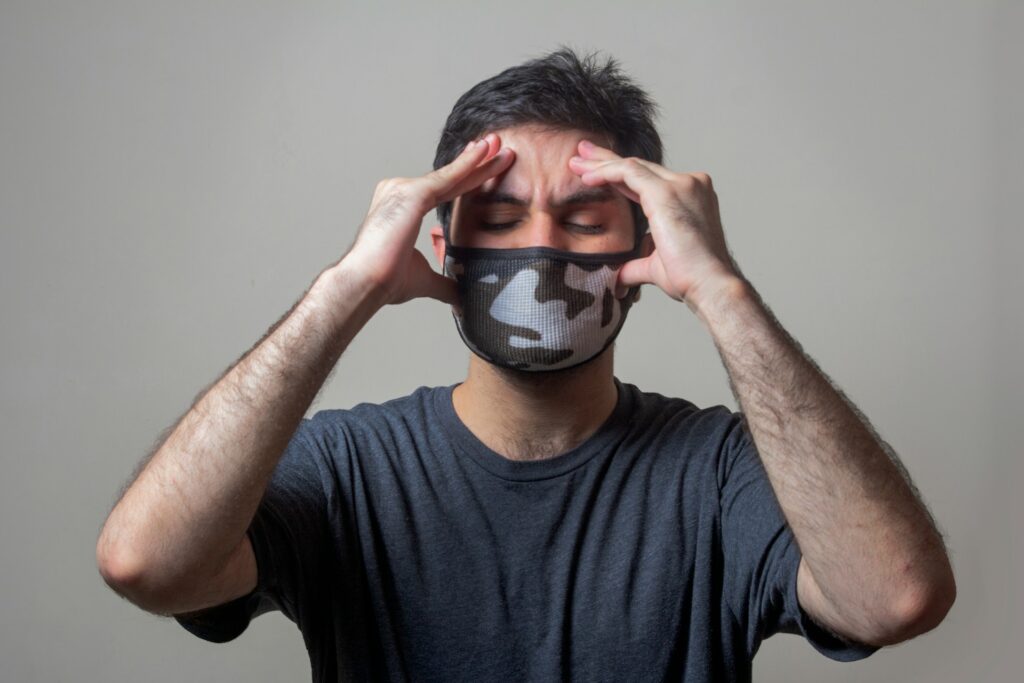
Migraine is a medical condition characterized by a severe headache, which can be accompanied by other symptoms such as sensitivity to light, noise or smells, nausea and sometimes vomiting. This headache can be throbbing and can affect one side of the head or both sides. Migraines can be debilitating and can significantly affect a person's quality of life.
Causes and risk factors for migraines
Migraines are considered to be caused by a combination of genetic and environmental factors, as well as by chemical imbalances in the brain, particularly involving brain chemicals called neurotransmitters. Common migraine triggers can include certain foods or drinks, stress, hormonal changes, lack of sleep, weather changes or excessive sensory stimuli. In what follows, we will explore each cause or factor that can contribute to triggering migraines:
Genetic factors
Genetic factors can influence sensitivity to migraines by transmitting certain characteristics of the brain and of the central nervous system. Genes can influence the functioning of certain nerve pathways and the system that regulates the blood vessels in the brain, which can make a person more prone to migraines.
Chemical imbalances in the brain
Chemical imbalances, such as low serotonin levels, can be a trigger for migraines. Serotonin is a neurotransmitter involved in regulating the blood vessels and the sensations of pain. An imbalance in serotonin levels can cause an excessive reaction of the blood vessels or a change in pain perception, thereby leading to migraine.
Fluctuations in hormone levels, such as those that occur during the menstrual cycle, can influence susceptibility to migraines. Hormones such as oestrogen affect serotonin levels and other brain chemicals, as well as the sensitivity of the blood vessels. Hormonal variations can alter these processes, which leads to the appearance of migraines.
Certain foods and drinks
Consuming certain foods and drinks can trigger chemical reactions in the body that affect the functioning of the blood vessels and of the nervous system. The chemicals in Hormonal changes
foods and drinks can trigger the release of neurotransmitters or can directly affect the blood vessels in the brain, which can cause an inflammatory or constrictive reaction, leading to migraine.
Stress
Stress can trigger the release of chemicals in the body that affect brain function and sensitivity to pain. Stress can cause changes in the way the brain processes pain sensations and can trigger inflammatory reactions or muscle tension, which can contribute to the appearance of migraines.
Lack of sleep
A lack of sleep can disturb the normal functioning of the brain and can affect the chemical balance of the neurotransmitters. A lack of sleep can lead to a fall in serotonin levels and to an increase in the chemicals that can trigger inflammation in the brain, which can contribute to the appearance of migraines.
Certain medicines
Some medicines can affect blood flow and the chemical balance in the brain, which can trigger migraines as a side effect. Certain medicines can influence the neurotransmitters or can cause adverse reactions that lead to changes in the normal functioning of the brain and can trigger migraines.
Bright light
Exposure to bright light can overload the nervous system and can trigger chemical reactions in the brain. Bright light can activate the pain centres in the brain and can trigger a chain reaction that causes constriction of the blood vessels and inflammation, thereby leading to migraines.
Certain physical activities
Intense physical exercise or certain body positions can lead to muscle tension and changes in the blood flow to the brain. These activities can trigger the release of chemicals in the brain that can cause constriction of the blood vessels or can directly affect the sensitive nerves, thereby contributing to migraines.
Weather changes
Variations in atmospheric pressure, temperature and humidity can influence sensitivity to migraines. Weather changes can cause changes in blood flow and in the levels of neurotransmitters in the brain, which can trigger migraines in people who are sensitive to these changes.
Smells and perfumes
Certain strong smells and perfumes can overload the olfactory system and can trigger neurological reactions. Strong smells can trigger the release of chemicals in the brain that can affect the functioning of the central nervous system and can contribute to triggering migraines.
Intense noise
Loud or continuous sounds can over-excite the auditory system and can affect brain function. Intense noise can trigger chemical reactions in the brain that affect sensitivity to pain and the functioning of the blood vessels, contributing to the appearance of migraines.
Dehydration
Dehydration can disturb the chemical and water balance of the body, including that of the brain. It can lead to a fall in blood flow to the brain and can affect the levels of electrolytes and neurotransmitters, which can contribute to triggering migraines.
Types of migraines
There are several types of migraine, and their common causes can vary according to each type. Here are some of the most frequent types of migraine and their most common causes:
Migraine without aura (common migraine)
- Genetic factors.
- Hormonal changes, such as those that occur during the menstrual cycle or during pregnancy.
- Physical or emotional stress.
- Certain foods and drinks, such as coffee, chocolate, alcohol or foods rich in nitrates or monosodium glutamate.
Migraine with aura
- The same causes as migraine without aura.
- Abnormalities in the electrical activity of the brain that precede the appearance of aura symptoms, such as blurred vision, temporary loss of sight, numbness or weakness in one part of the body.
Menstrual migraine
- The hormonal changes associated with the menstrual cycle.
- Sensitivity to the fluctuations in oestrogen and progesterone levels during the different phases of the menstrual cycle.
Tension migraine
- Physical or emotional stress.
- Excessive muscle tension in the area of the neck, shoulders and head.
- Incorrect posture.
- Fatigue and lack of sleep.
Vestibular migraine
- Conditions of the inner ear.
- Dysfunctions in the vestibular system responsible for balance and spatial orientation.
- Genetic factors.
- Certain medicines.
Ophthalmoplegic migraine
- Injuries or compressions of the ocular nerves.
- Congenital abnormalities of the ocular nerves.
- Infections or inflammations of the ocular nerves.
- Vascular factors.
Hemiplegic migraines
They are associated with genetic abnormalities that affect the way the nerve cells in the brain communicate and function. There are two main types of hemiplegic migraine: familial hemiplegic migraines and sporadic hemiplegic migraines.
- Familial hemiplegic migraines: This form is inherited genetically and is linked to specific gene mutations. Research has identified several genes involved, including CACNA1A, ATP1A2 and SCN1A. These genes provide the instructions for producing the proteins that are involved in the normal functioning of the ion channels in the nerve cells of the brain. Mutation of these genes can affect the activity of the ion channels, which can disturb the normal functioning of the nerve cells and can contribute to triggering hemiplegic migraines.
- Sporadic hemiplegic migraines: This form is not linked to a known genetic inheritance and appears sporadically, without any connection to a family history of hemiplegic migraine. The exact mechanisms of this form of migraine are not fully understood, but it is believed that genetic factors, alongside environmental factors, could play a role.
In general, hemiplegic migraines are caused by changes in the functioning of the central nervous system, which can be influenced by a combination of genetic and environmental factors. It is important to consult a doctor for the assessment and management of hemiplegic migraines, because they can be debilitating and may require specialized treatment.
These are only some of the types of migraine, and their common causes can be complex and interconnected. It is important to consult a doctor for an accurate diagnosis and in order to identify and correctly manage the specific triggers in your case.
Symptoms characteristic of migraines
In what follows, we will take a look at the symptoms specific to each type of migraine.
Migraine without aura (common migraine)
- A throbbing, moderate to severe headache, which usually affects one side of the head.
- Sensitivity to light (photophobia), noise (phonophobia) or smells.
- Nausea and sometimes vomiting.
- Sometimes the symptoms can be made worse by ordinary physical activities.
Migraine with aura
The aura symptoms appear before the headache and can include:
- Visual disturbances, such as blurred vision, bright spots or blind spots in the visual field.
- Numbness or weakness in one part of the body, usually on one side of the face or of the limbs.
- Difficulty speaking or confusion.
- Sensory disturbances, such as a sensation of tingling or burning of the skin.
Menstrual migraine
- The symptoms of menstrual migraine are similar to those of migraine without aura, but they appear specifically during or before the menstrual period.
- They can be more severe and more difficult to manage than non-menstrual migraines.
Tension migraine
- A diffuse, dull headache or pressure throughout the head, usually around the head or at the back of the head.
- The duration can vary from a few hours to several days.
- Mild sensitivity to light or sounds.
- They are not usually accompanied by nausea or vomiting.
Vestibular migraine:
The symptoms of vestibular migraine are similar to those of vertigo and can include:
- Numbness or weakness in the arms or legs.
- Difficulty speaking or understanding words.
- Balance disturbances, instability and a sensation that the surrounding environment is moving (vertigo).
Ophthalmoplegic migraine (ocular migraine)
- A severe headache, sometimes accompanied by temporary paralysis of the eye muscles.
- Diplopia (double vision) or other visual disturbances.
- Photophobia (sensitivity to light) and phonophobia (sensitivity to sound).
Hemiplegic migraines can cause severe neurological symptoms, including temporary paralysis or weakness on one side of the body. These symptoms can be accompanied by severe headaches, nausea, sensitivity to light and to sound.
It is important to notice and identify the specific symptoms of your migraine in order to be able to manage and treat this condition more effectively. If the headaches become unbearable or are recurrent, consult a doctor for a diagnosis and an appropriate treatment plan.
Diagnosing migraines
The diagnosis of each type of migraine involves a thorough assessment of the symptoms, the medical history and other relevant factors. Here is how the diagnosis is usually made for each type of migraine:
Migraine without aura (common migraine)
- The doctor will take a detailed history of the headaches, including their frequency, severity and associated symptoms.
- Ruling out other possible causes of the headaches through physical examination and, sometimes, through additional tests, such as brain imaging.
- The diagnosis is often based on the criteria established by the International Headache Society (IHS).
Migraine with aura
- The diagnosis of migraine with aura is based on the presence of specific aura symptoms, such as visual, sensory or speech disturbances.
- The doctor may request additional tests, such as brain imaging, in order to rule out other conditions that can cause similar symptoms.
Menstrual migraine
The diagnosis of menstrual migraine is made when the headaches appear specifically during or before the menstrual period.
- The doctor will take into account the patient's menstrual history and the severity of the symptoms in order to establish the diagnosis.
Tension migraine
- The diagnosis of tension migraine involves identifying the specific symptoms, such as the diffuse headache and the absence of the symptoms specific to migraine with aura or to other conditions.
- Ruling out other possible causes of the headache through physical examination and discussion with the patient.
Vestibular migraine
- The diagnosis of vestibular migraine involves assessing the specific symptoms of vertigo and other balance disturbances in the context of a history of migraines or of other migraine symptoms.
- Sometimes it is necessary to rule out other possible causes of vertigo, such as inner ear disorders.
Ophthalmoplegic migraine
- The diagnosis of ophthalmoplegic migraine involves identifying the specific symptoms, such as the severe headache accompanied by temporary paralysis of the eye muscles.
- The doctor may request additional tests, such as brain imaging, in order to rule out other conditions that can cause similar symptoms.
The treatment of migraines
The treatment for each type of migraine can vary according to the severity of the symptoms, the frequency of the episodes and other individual factors. Here is a general overview of the treatment options for each type of migraine:
Migraine without aura (common migraine)
- Basic painkillers.
- Non-steroidal anti-inflammatory drugs (NSAIDs).
- Triptan treatments for more severe migraine or for migraine that does not respond to other medicines.
Preventive treatment:
- Prescribed medicines, such as beta-blockers, tricyclic antidepressants or anticonvulsants, in order to reduce the frequency and severity of the attacks.
Migraine with aura
Acute treatment:
- The same types of medicine as for migraine without aura.
- Specific medicines for the aura.
- Triptan treatments, but preferably administered in the pre-headache phase, if aura symptoms are present.
Preventive treatment:
- The same medicines as for migraine without aura.
- Administering preventive medicines before the onset of the aura symptoms.
Menstrual migraine
Acute treatment:
- Painkillers and NSAIDs in order to treat the headaches.
- Triptan medicines.
- Hormonal treatments, such as oral contraceptives, in order to reduce the frequency of the attacks.
Preventive treatment:
- Administering preventive medicines, such as beta-blockers or antidepressants, during the premenstrual period in order to prevent the appearance of migraines.
Tension migraine
Acute treatment:
- Painkillers.
- Muscle relaxation through relaxation techniques or physiotherapy.
- Medicines for managing stress and anxiety.
Preventive treatment:
- Physiotherapy in order to improve posture and reduce muscle tension.
- Cognitive behavioural therapy in order to manage stress and anxiety.
Vestibular migraine
Acute treatment:
- Antiemetic medicines in order to control nausea and vomiting.
- Anti-vertigo medicines in order to relieve the symptoms of vertigo.
- Treatments for migraine, such as painkillers or triptans.
Preventive treatment:
- Preventive medicines for migraine, such as beta-blockers or antidepressants, administered regularly in order to reduce the frequency of the vestibular migraine episodes.
Ophthalmoplegic migraine
Acute treatment:
- Painkilling treatment for the headache.
- Ophthalmological treatments in order to correct any temporary visual disturbances.
- Triptan treatments in order to stop an attack in progress.
Preventive treatment:
- Preventive medicines for migraine, such as beta-blockers or antidepressants, in order to reduce the frequency of the ophthalmoplegic migraine episodes.
Neurofeedback is a form of biofeedback that involves the use of brain training techniques in order to regulate the brain's electrical activity. It can be used as a complementary treatment for all types of migraine, both for preventive and for acute purposes.
- Preventive treatment with neurofeedback for migraines:
Neurofeedback can be used to train the brain to regulate its electrical activity in a way that reduces the frequency and severity of migraines.
Neurofeedback training often focuses on regulating activity in certain regions of the brain that are involved in the processes of pain and sensitivity in migraine.
By monitoring brain activity and providing real-time feedback, the person learns to change their brain activity in ways that can reduce the risk of triggering migraines.
- Acute treatment with neurofeedback for migraines:
During a migraine attack, neurofeedback can be used to help manage the symptoms and reduce the severity of the headache.
Neurofeedback techniques can be adapted in order to stimulate the brain regions involved in modulating pain and in order to induce states of relaxation and comfort.
The use of neurofeedback during a migraine can contribute to reducing the associated symptoms, as well as to shortening the duration of the migraine episode.
There is promising evidence suggesting that neurofeedback could be useful as part of an integrated treatment plan for migraines, especially for people who do not respond well to other forms of treatment or who want to explore complementary therapeutic options.
It is important to always consult a neurofeedback specialist or a doctor in order to determine whether this treatment option is suitable for you and in order to receive appropriate guidance and supervision during the neurofeedback sessions.
Tips for preventing migraines
Preventing migraines often involves adopting a set of lifestyle management measures and, sometimes, preventive medical treatments. Here are some tips that can help you prevent migraines from appearing:
- Identify and avoid the triggers: Try to identify and avoid the factors that trigger your migraines, such as certain foods and drinks (coffee, red wine, chocolate), bright light, intense noise, stress or lack of sleep.
- Keep a regular sleep schedule: Make sure you sleep enough and that you have a regular sleep schedule. A lack of sleep or changes in sleep habits can be triggers for migraines.
- Manage stress: Learn stress management techniques, such as deep breathing, meditation or progressive muscle relaxation exercises. Reducing stress can reduce the risk of migraines appearing.
- Keep a balanced diet: Avoid skipping meals and make sure you have a healthy and balanced diet. Some people can be sensitive to certain foods, so notice whether there is any food that triggers your migraines and avoid it.
- Hydrate properly: Make sure you drink enough water every day in order to avoid dehydration, which can be a migraine trigger for some people.
- Avoid exposure to intense sensory stimuli: Protect yourself from bright light, intense noise or strong smells that could trigger migraines.
- Be physically active: Regular exercise can help reduce the frequency and severity of migraines. Opt for moderate activities, such as walking, swimming or yoga, and avoid intense physical exercise, which could trigger migraines.
- Take preventive medicines, if necessary: If you have frequent and severe migraines, your doctor could recommend preventive medicines, such as beta-blockers, tricyclic antidepressants or anticonvulsants, in order to reduce the frequency and severity of the attacks.
- Consult a specialist: If you have severe or persistent migraines, consult a migraine specialist in order to receive a personalized treatment plan and to make sure you are receiving the best possible care. In order to consult a neurofeedback specialist, fill in the form for a free discussion with a specialist.
It is important to be aware of the triggers and to adapt your lifestyle in order to avoid them as far as possible. Managing migraines can be a holistic approach that involves lifestyle changes, medical treatments and the management of stress and of the triggers.
References
- Walker, J.E. (2011). QEEG-Guided Neurofeedback for Recurrent Migraine Headaches. Clinical EEG and Neuroscience, [online] 42(1), pp.59–61. doi:https://doi.org/10.1177/155005941104200112.
- Stokes, D.A. and Lappin, M.S. (2010). Neurofeedback and biofeedback with 37 migraineurs: a clinical outcome study. Behavioral and Brain Functions, [online] 6(1), pp.9–9. doi:https://doi.org/10.1186/1744-9081-6-9.
- Zivoder, I., Sanja Martic-Biocina and Ana Vodanovic Kosic (2018). Biofeedback and Neurofeedback in the Treatment of Migraine. InTech eBooks. [online] DOI:https://doi.org/10.5772/intechopen.76534.
🧠 How does your brain work?
Download the guide for FREE and find out what your brain map shows.
📖 Our books - Real case studies with brain maps
📖 Vindecarea Depresiei (Healing Depression, in Romanian) - 29.00 RON
📖 Vindecarea Anxietatii (Healing Anxiety, in Romanian) - 29.00 RON
📖 Eliminarea Atacurilor de Panica (Ending Panic Attacks, in Romanian) - 29.00 RON
Do you want to understand what is happening in your brain?
Book a call with the BrainMap Institute's specialists and find out how a BrainMap and brain training can help you.