
The vagus nerve, anxiety and panic attacks
The vagus nerve, anxiety and panic attacks: its role in the autonomic nervous system and how it shapes breathing, heart rate and the stress response.
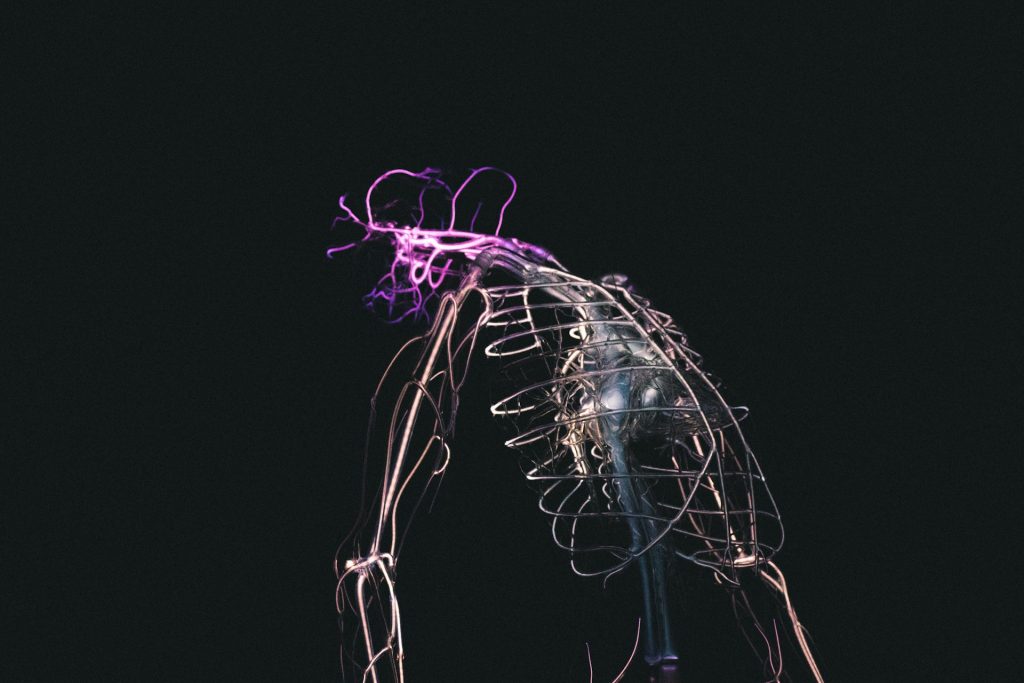
The vagus nerve – the main nerve of the parasympathetic nervous system, which helps the body move from alertness to calm – is often at the centre of the intense physical reactions experienced by people with anxiety or panic attacks: a heart that beats fast, accelerated breathing, dizziness, a knot in the stomach or the feeling that “something is not right”. Although these experiences are often interpreted as being only psychological, they in fact have a very clear biological basis. The body and the brain communicate constantly through the nervous system, and one of the most important pathways of communication is the vagus nerve.
In recent years, research in the neurosciences has shown that the way in which the vagus nerve functions directly influences our capacity to regulate our emotions, to manage stress and to return to calm after a state of intense activation. When this system is not well regulated, symptoms may appear such as persistent anxiety, hypervigilance or panic attacks. Understanding the role of the vagus nerve helps us to look at these states not as a weakness, but as a biological mechanism that can be regulated and trained.
What the vagus nerve is and why it is important
The vagus nerve is one of the most important nerves of the human body and is part of the autonomic nervous system, the system that automatically regulates vital functions such as breathing, heart rate, digestion or the response to stress. Its name comes from Latin (“vagus” means “wandering”), because its route extends from the brain to many important organs of the body.
The main role of the vagus nerve is to maintain the internal balance of the organism, a process called homeostasis. It transmits information between the brain and organs such as the heart, the lungs, the stomach or the intestines and contributes to the regulation of emotional and physiological reactions. In other words, the vagus nerve is one of the main “lines of communication” between the brain and the body.
The anatomy of the vagus nerve
The vagus nerve is the tenth of the twelve cranial nerves and it starts from the brainstem, a deep region of the brain responsible for the vital functions. From there it descends through the neck, crosses the thorax and reaches the abdomen, connecting with numerous internal organs.
Along its route, the vagus nerve influences the functioning of the heart, of the lungs, of the digestive system and of some glands involved in metabolic and immune processes. Approximately 80% of the fibres of the vagus nerve transmit information from the body to the brain, which means that the brain constantly receives signals about the state of the internal organs. This flow of information contributes to the way in which we perceive bodily sensations, emotions and the general state of safety or of threat.
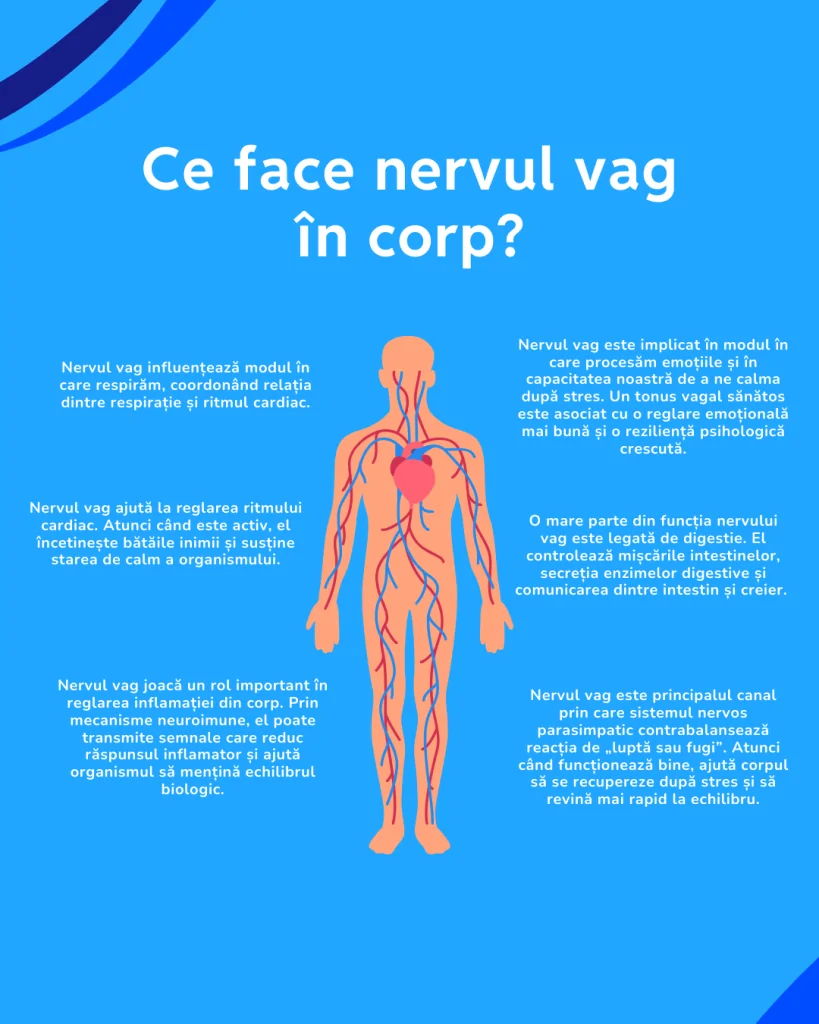
How the vagus nerve works in your body
In order to understand the role of the vagus nerve in anxiety and panic attacks, it is important to look at the way in which the autonomic nervous system works. It is made up of two main components: the sympathetic nervous system and the parasympathetic nervous system. The two systems work together in order to maintain the balance between activation and relaxation.
The sympathetic nervous system is responsible for the “fight or flight” reaction. When we perceive a threat or intense stress, this system accelerates the heart rate, raises blood pressure and prepares the body for action. The parasympathetic nervous system, on the other hand – in which the vagus nerve plays a central role – is responsible for the state of calm, of recovery and of restoration. It slows the heart rate, stimulates digestion and helps the organism to return to balance after stress.
When the vagus nerve works efficiently, it acts as a biological “brake” for the body's stress reactions. In situations of anxiety or of panic attack, this regulation can be more difficult, and the sympathetic system stays active for longer than is necessary. For this reason, interventions that support the regulation of the nervous system such as controlled breathing, mindfulness, somatic exercises or certain neurobiological therapies can help to reactivate the vagal response and to restore the state of calm.
What vagal tone is and why it is important
Vagal tone refers to the degree of activity and efficiency of the vagus nerve in regulating the functions of the organism. The better the vagal tone, the faster the parasympathetic nervous system can step in in order to calm the organism after stress. In practice, vagal tone reflects the body's capacity to return to a state of balance after a stressful or emotionally intense experience.
A healthy vagal tone is associated with better emotional regulation, a greater capacity to adapt to stress, a stable heart rate and efficient digestion. A low vagal tone, on the other hand, can make the organism stay in a state of alert for longer, which increases vulnerability to anxiety, chronic fatigue, digestive problems or difficulties with emotional regulation.
Signs that the vagus nerve is not working optimally
1. Difficulties in regulating stress
If you notice that it is hard for you to calm down after a stressful situation or that anxiety reactions persist long after the trigger has passed, this can indicate lower vagal regulation.
2. Palpitations or frequent variations in heart rate
The vagus nerve plays an important role in regulating the heart rate. When its activity is reduced, sensations of the heart beating too fast, too strongly or irregularly can appear, especially in stressful situations.
3. Frequent digestive problems
Bloating, slow digestion, gastric reflux or irritable bowel syndrome can be associated with poor communication between the brain and the digestive system, communication that takes place largely through the vagus nerve.
4. Increased sensitivity to anxiety or panic
People with a low vagal tone can have a more intense reaction to stimuli perceived as threatening, which can lead to episodes of intense anxiety or even to panic attacks.
5. Chronic fatigue or the feeling of exhaustion
When the nervous system stays activated for too long, the organism consumes more energy in order to maintain the state of alert. This can lead to a persistent feeling of physical and mental tiredness.
The vagus nerve, anxiety and panic attacks
Anxiety and panic attacks are often experienced as sudden and overwhelming episodes of physical activation. During a panic attack, the sympathetic nervous system activates strongly: the heart rate rises, breathing becomes rapid and shallow, and the body enters an intense state of alert. Normally, the vagus nerve should step in in order to reduce this activation and to bring the organism back to a state of calm. When vagal regulation is weaker, this biological “brake” does not work efficiently enough.
From this perspective, a panic attack is not only a psychological reaction, but a reaction of the whole nervous system. The body interprets certain internal or external signals as dangerous and triggers a survival response. Understanding the role of the vagus nerve in these processes is important because it changes the way in which we look at anxiety: not as a sign of weakness, but as a biological mechanism that can be regulated through interventions that support the balance of the nervous system.
The vagus nerve, emotions and connecting with others
The vagus nerve is involved not only in the regulation of stress, but also in the way in which we connect with others. Research in the neurosciences, in particular polyvagal theory, suggests that certain branches of the vagus nerve are involved in what is called the “social engagement system”. This system helps us to perceive safety in interactions with other people and to respond through facial expressions, tone of voice or eye contact.
When the vagus nerve works optimally, it is easier for us to feel safe in relationships, to communicate and to manage our emotions in social contexts. When the nervous system is frequently activated by stress or anxiety, on the other hand, the brain can more easily interpret the environment as threatening. This can lead to social withdrawal, to difficulties in expressing emotions or to an increased sensitivity to the reactions of those around us.
The vagus nerve, trauma and the “freeze” response
Besides the “fight” or “flight” reactions, the nervous system can sometimes activate a third survival response as well: the response of freezing (freeze). This mechanism appears when the organism perceives that neither fighting nor fleeing is possible or effective. In these situations, another branch of the vagus nerve can trigger a state of immobilization or of “shutting down” of the system.
People who have been through traumatic experiences can sometimes experience this state in the form of a sensation of emotional block, numbness, disconnection or difficulty in reacting to stressful situations. This is not a conscious choice, but a biological protective mechanism of the nervous system. Understanding this response is important because it shows that many of the reactions associated with trauma are the result of the way in which the body tries to protect itself, and interventions that support the regulation of the nervous system can help to gradually restore the sensation of safety and control.
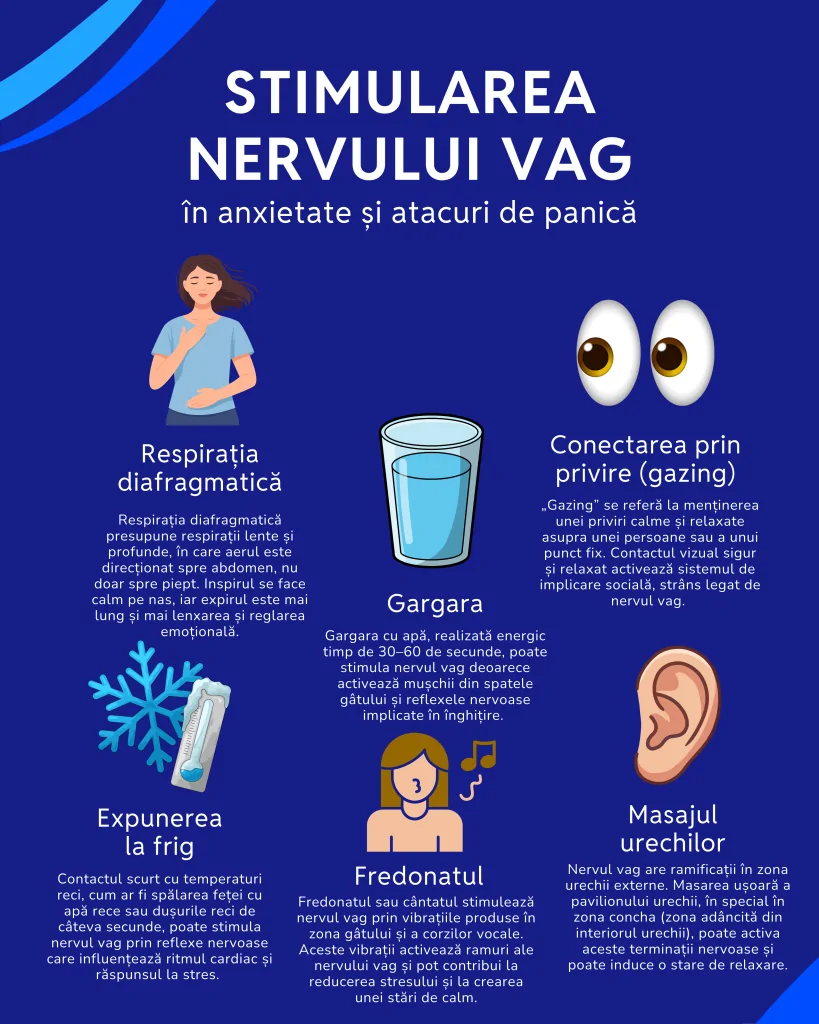
How you can stimulate the vagus nerve
There are several methods through which we can support the activity of the vagus nerve and the regulation of the nervous system. Many of them are simple, but when they are practised consistently they can have significant effects on the state of calm, on mental clarity and on emotional balance.
Slow and deep breathing
Diaphragmatic, slow breathing, with the exhalation longer than the inhalation, activates the parasympathetic nervous system and stimulates the vagus nerve. Practised daily, this technique can reduce tension, anxiety and the hyperactivation of the nervous system.
Exposure to cold water
Contact with cold water, for example by washing the face with cold water or by taking short cold showers, can activate nerve reflexes that stimulate the vagus nerve and help to regulate the heart rate and the response to stress.
Singing, humming or chanting mantras
The vagus nerve is connected with the vocal cords and with the muscles involved in speech. Activities such as singing, humming or even the prolonged utterance of certain sounds can stimulate this nerve pathway.
Regular physical movement
Moderate physical exercise, in particular walking, yoga or stretching, supports the balance of the nervous system and contributes to the improvement of vagal tone.
Social connection and safe relationships
Positive social interactions, eye contact, smiling and the feeling of safety in relationships activate the social engagement system, which is closely linked to the functioning of the vagus nerve.
Mindfulness and meditation practices
Mindfulness, meditation or body awareness exercises can reduce the excessive activation of the sympathetic system and can improve emotional regulation by influencing the autonomic nervous system.
When you should seek specialist help
If anxiety, panic attacks, insomnia, persistent fatigue or difficulties with emotional regulation affect your everyday life, it is important to talk to a specialist. Often, these symptoms can indicate a nervous system that has remained stuck in a state of hyperactivation or, on the contrary, in a state of shutdown. Specialized assessments can help to identify the patterns of functioning of the brain and of the nervous system, offering a clearer picture of the causes of these states.
The vagus nerve, neurofeedback and emotional regulation
Neurofeedback is a method based on the neurosciences that trains the brain to regulate its activity more efficiently. Through the analysis of brain activity and the delivery of feedback in real time, the brain can gradually learn to function in a more balanced way. This process can also indirectly influence the way in which the autonomic nervous system, including the vagus nerve, regulates its activity.
When the brain learns to reduce the hyperactivation associated with stress and anxiety, the organism can return more easily to a state of calm and safety. Many patients notice, over time, improvements in the management of emotions, a reduction in the frequency of panic attacks, better sleep and a greater capacity to adapt to stressful situations. Neurofeedback helps the brain to reactivate its natural self-regulation mechanisms.
Frequently asked questions about the vagus nerve (Q&A)
What role does the vagus nerve have in the organism?
The vagus nerve is one of the most important nerves of the autonomic nervous system and it connects the brain with many vital organs, including the heart, the lungs and the digestive system. It contributes to the regulation of stress, digestion, heart rate and emotions.
Can the vagus nerve influence anxiety?
Yes. A low vagal tone can make it more difficult for the organism to return to a state of calm after stress, which can increase vulnerability to anxiety or to panic attacks.
How can I know whether I have a low vagal tone?
The signs can include difficulties in managing stress, palpitations, digestive problems, persistent fatigue or intense emotional reactions.
Can the vagus nerve be trained?
Yes. Through techniques such as conscious breathing, physical movement, meditation, social connection or therapies for regulating the nervous system.
Does neurofeedback help with the regulation of the nervous system?
In many cases, neurofeedback is used in order to support the balance of brain activity and emotional regulation, which can have beneficial effects on the way in which the organism responds to stress.
Do you want to find out how your nervous system works?
If you are dealing with anxiety, panic attacks, chronic stress, insomnia or difficulties with emotional regulation, the first step is a complete assessment of brain activity.
Through the analysis of BrainMap (qEEG) we can observe the patterns of functioning of the brain and the way in which they can influence your emotional, cognitive and physiological state.
On the basis of this assessment, the specialists can recommend a personalized plan of brain training therapy, adapted to your needs.
🧠 How does your brain work?
Download the guide for FREE and find out what your brain map shows.
📖 Our books - Real case studies with brain maps
📖 Vindecarea Depresiei (Healing Depression, in Romanian) - 29.00 RON
📖 Vindecarea Anxietatii (Healing Anxiety, in Romanian) - 29.00 RON
📖 Eliminarea Atacurilor de Panica (Ending Panic Attacks, in Romanian) - 29.00 RON
Do you want to understand what is happening in your brain?
Book a call with the BrainMap Institute's specialists and find out how a BrainMap and brain training can help you.