
Multiple sclerosis, its early signs, types and treatment

Multiple sclerosis is an autoimmune disease in which the immune system attacks myelin, the sheath that protects the nerve fibres in the brain, the spinal cord and the optic nerves.
It mostly affects young adults and women more often than men, and it frequently begins with a sign that goes away by itself, such as blurred vision in one eye or numbness that creeps up one leg. It cannot be cured yet, but it is treated far better than it was 20 years ago.
Below you will find the first signs worth paying attention to, the types of the disease, how a neurologist makes the diagnosis, which treatments exist, what is known about pregnancy and when it is time to book an appointment.
What multiple sclerosis is
The name comes from the plaques the disease leaves in the white matter of the brain and spinal cord, which are areas of inflammation and later of scarring. Where myelin is destroyed the nerve signal travels more slowly or gets blocked, and the symptoms depend on where each lesion appears, which is why two people with the same diagnosis can have very different symptoms.
The disease is more common than people think. The Atlas of MS, coordinated by the Multiple Sclerosis International Federation, estimates that 3.1 million people worldwide were living with it in 2024, roughly 1 in every 2,600, up from 2.8 million in 2020.
The authors put the rise mainly down to better diagnosis, more complete data and the fact that people live longer with the disease.
Multiple Sclerosis International Federation, Atlas of MS, 2026, and the data reported by Romania to the Atlas
For Romania, the data reported to the Atlas point to about 8,000 people, 72% of them women. The first symptoms usually appear between the ages of 20 and 30. Worldwide the average age at diagnosis is 32.
The disease is not contagious and is not directly inherited, even though the risk is somewhat higher when a close relative has it.
The first signs of multiple sclerosis
The UK NICE guideline was updated in August 2026 and lists the signs that appear most often at onset. What links them is the way they develop, because they come on over hours or days, last more than 24 hours, persist for several days or weeks and then improve, usually in someone under 50 and without fever or infection.
Other symptoms are harder to see and usually appear later on, such as fatigue that does not lift after sleep, an urgent need to pass urine, pain or problems with concentration and memory. We have written at length about fatigue and the cognitive side in our free guide to multiple sclerosis.
It also matters what is not a typical sign.
The guideline asks doctors not to routinely suspect multiple sclerosis when the only problems are fatigue, low mood, dizziness or vague sensations without any clear neurological sign.
Dizziness has many other causes, explained in the article on vertigo. Symmetrical tingling in both soles is more often due to peripheral neuropathy.
Has any of this happened to you? Tap what you recognise
What you tap stays in your browser and is not sent anywhere.
Book a free callWhy multiple sclerosis develops
The exact cause is not yet known, but the picture has become much clearer in recent years. The disease seems to start when a genetic predisposition meets a few environmental factors and the immune system begins to attack its own myelin, leaving lesions that show up on magnetic resonance imaging as spots in the white matter.
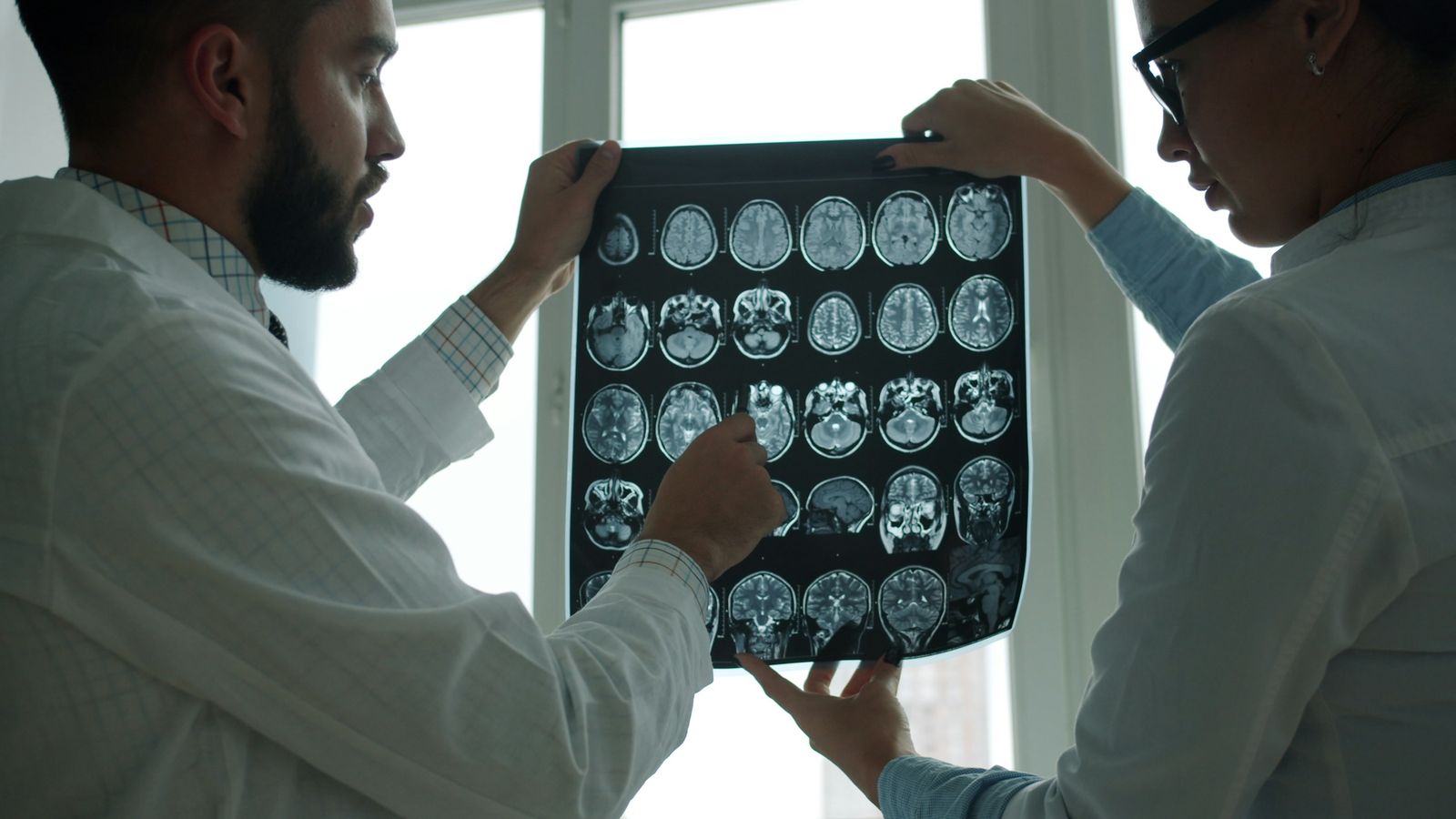
The strongest clue comes from a study published in Science in 2022, which followed more than 10 million young adults in the US military. Of these, 955 were diagnosed with multiple sclerosis, and the risk rose 32-fold after infection with the Epstein-Barr virus, the virus behind glandular fever.
The virus is very widespread, though. On its own it cannot explain why only some of the people infected develop the disease.
Other risk factors confirmed by studies are
- female sex,
- living at higher latitudes,
- smoking,
- low vitamin D levels because of little sun or diet
- and obesity in adolescence.
Some of them can be changed, and stopping smoking still matters after diagnosis, because smoking speeds up the build-up of disability.
The types of multiple sclerosis
Neurologists describe the disease by the way it evolves. The classification used today was revised in 2013 and adds two qualifiers to each type that matter for treatment, namely whether the disease is active, with relapses or new lesions on MRI, and whether it is progressing.
| Type | What it looks like | How common |
|---|---|---|
| Clinically isolated syndrome | A first typical neurological episode that does not yet meet all the diagnostic criteria | It may remain the only episode or be the start of the disease |
| Relapsing-remitting | Relapses followed by full or partial recovery, with stable periods in between | About 85% of diagnoses start this way |
| Secondary progressive | After years of relapses disability increases gradually, with or without new relapses | It develops in some people with the relapsing-remitting type |
| Primary progressive | Slow worsening from the start without clear relapses, often with walking problems | About 12% of diagnoses start with a progressive type |
You may also have read about a type called progressive-relapsing. The 2013 revision dropped it, and someone who would once have been given that label is now described as having active primary progressive disease.
There is also the situation in which an MRI done for headaches or after an accident shows typical lesions in someone without any symptoms. It is called radiologically isolated syndrome, and the neurologist follows it over time.
How the diagnosis is made (MRI, McDonald criteria, lumbar puncture)
There is no single test for multiple sclerosis. The neurologist puts several pieces together and looks for lesions in at least 2 different areas of the nervous system that appeared at different times, then makes sure that no other disease explains better what is happening to you.
- The conversation and the neurological examination, where every past episode counts, even those that went away by themselves.
- MRI of the brain and spinal cord, usually with contrast, which shows both old and active lesions.
- The lumbar puncture, which looks for oligoclonal bands in the cerebrospinal fluid, a sign of inflammation confined to the nervous system.
- Visual evoked potentials and optical coherence tomography, which show whether the optic nerve has been affected, even without symptoms.
- Blood tests, which rule out look-alike diseases such as some infections like Lyme disease, other autoimmune diseases or vitamin B12 deficiency.
The rules for combining these results are called the McDonald criteria. Thanks to them the diagnosis can be made as early as the first typical episode, if the MRI and the cerebrospinal fluid already provide the required evidence.
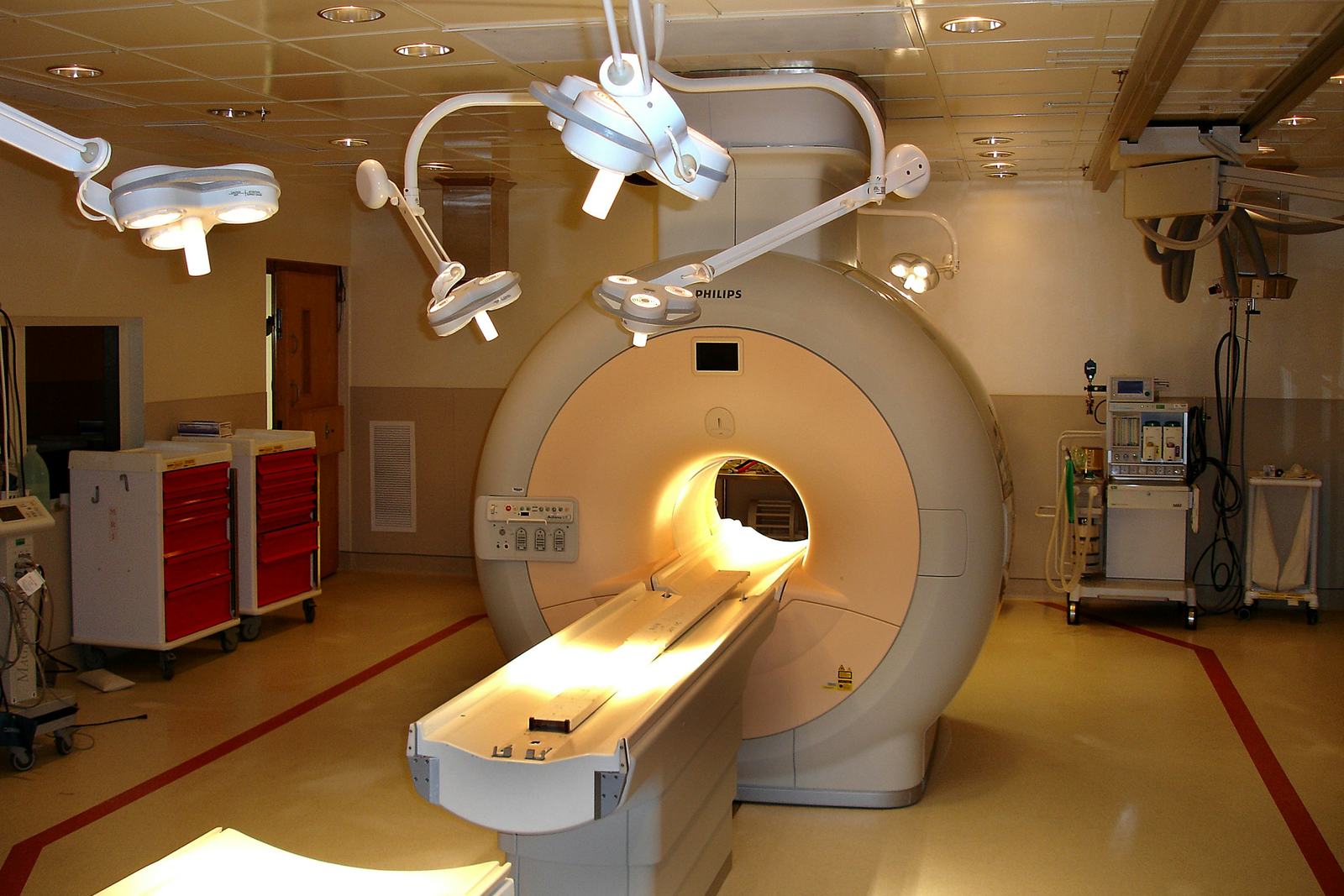
The 2017 McDonald criteria
They apply mainly after a first typical episode. They require lesions spread in space and in time, and oligoclonal bands in the cerebrospinal fluid can stand in for the evidence of spread in time.
The 2024 revision
Published in October 2025, it adds the optic nerve as a fifth area, uses the central vein sign and kappa free light chains as supporting evidence and in some cases allows the diagnosis even without a clear relapse.
The 2024 revision aims to speed up the diagnosis without raising the risk of error and has separate rules for people over 50. The NICE guideline switched to it in August 2026.
If you were once told there were not yet enough criteria, it is worth asking at your next check-up whether things look different now.
Treatments that change the course of the disease
Disease-modifying treatments do not repair old lesions. Their job is to reduce the number of relapses and the appearance of new lesions, and a review published in JAMA in 2021 shows that they lower the annual relapse rate by 29% to 68% compared with placebo or a comparator drug.
McGinley and colleagues, JAMA, 2021
There are injections, tablets and infusions, and the choice depends on how active the disease is, its type, other health problems and plans for pregnancy.
The 2018 European ECTRIMS/EAN guideline has recommendations for choosing a treatment, for monitoring the response and for switching when it does not work well enough. The progressive types have fewer options.
In Romania disease-modifying treatment is provided through the National programme for the treatment of neurological diseases, run by the National Health Insurance House (CNAS).
The medicines are dispensed through the closed-circuit pharmacies of the hospitals that run the programme, and to join it you have to meet the criteria in the treatment protocol approved by the Ministry of Health and CNAS.
The first practical step is a neurologist at a clinic included in the programme, who will tell you which documents you need.

Relapses and their treatment with corticosteroids
A relapse means new symptoms or a worsening of old ones that last more than 24 hours, after a stable period of at least 1 month and without an infection or another cause to explain them.
Before calling something a relapse, the doctor rules out an infection, especially a urinary or respiratory one, because fever and heat can briefly bring back older symptoms. The NICE guideline also states that symptoms present for more than 3 months are not routinely treated as a relapse.
The usual path from a new symptom to the treatment of a relapse
Not every relapse needs treatment.
When it affects your daily life, NICE recommends oral methylprednisolone at a dose of 500 mg a day for 5 days, started as soon as possible and within 14 days of onset.
The alternative is an infusion of 1 g a day for 3 to 5 days, for example when the tablets have not worked or a hospital stay is needed, and a 2012 Cochrane review found no clear differences between the two routes.
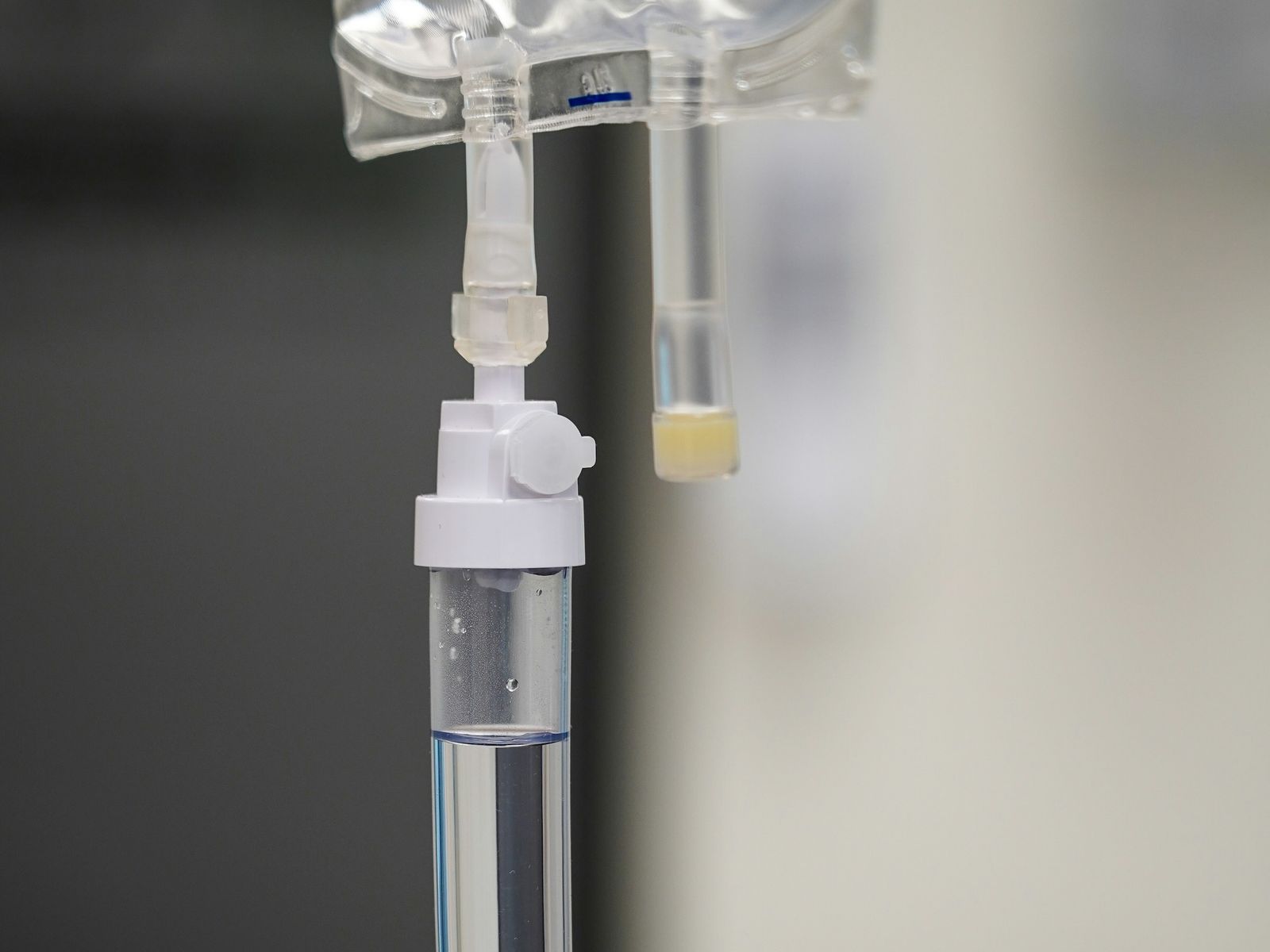
Corticosteroids speed up recovery in the first weeks of a relapse, but they have not been shown to change the long-term course of the disease, and that is what disease-modifying treatment is for.
They can cause insomnia, agitation or mood changes and raise blood sugar in people with diabetes, so only the doctor decides the dose and duration.
Corticosteroids are not kept in reserve at home. NICE explicitly recommends that people with multiple sclerosis should not be given a supply of steroids for future relapses. If a new symptom appears or an old one gets worse, let your neurologist know as soon as possible so they can decide whether treatment is needed.
Rehabilitation, physiotherapy and exercise
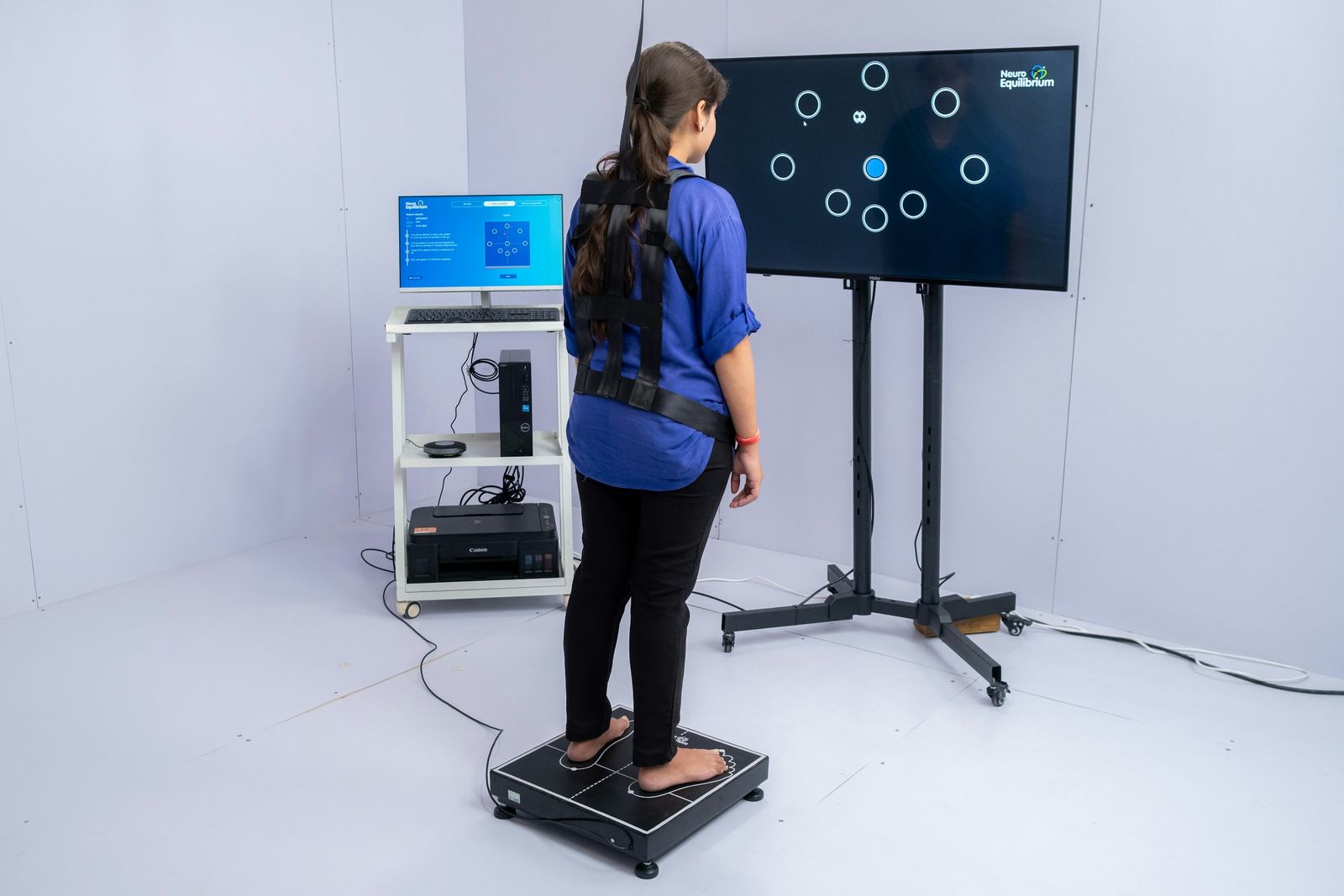
For a long time exercise was viewed with fear, in case it triggered a relapse. Today the data say otherwise. The NICE guideline asks doctors to encourage physical exercise, because it may have beneficial effects on the disease and does not harm it.
A Cochrane review of 45 studies and 2,250 people found that exercise reduces perceived fatigue, especially endurance and mixed training. The number of relapses was almost the same with and without exercise, although the authors point out that many studies had methodological problems.

It is just as useful to know what does not help.
NICE does not recommend vitamin B12 injections or hyperbaric oxygen for fatigue in multiple sclerosis, and no particular diet has been shown to reduce it.
If you feel exhausted, tell your doctor, because fatigue can also come from poor sleep, anaemia, the thyroid, medicines or anxiety and depression.
Living with multiple sclerosis from day to day
The first months after diagnosis bring a lot of new information and a lot of uncertainty. A few simple habits help, and so does a team you can turn to.

The NICE guideline points out that sadness, anxiety and poor sleep can affect memory and attention, so they are worth treating as well.
If the sadness lasts for more than 2 weeks, the article on depression, its symptoms and treatment options will help you recognise it, and you can read more about attention and memory in the article on cognitive functions.
Pregnancy and multiple sclerosis
The disease often appears at exactly the age when people are planning a family, so the question comes up almost every time. The NICE guideline is clear here, multiple sclerosis should not stop you from planning a family, and fertility is not affected.
The best-known study on the subject, called PRIMS and published in The New England Journal of Medicine in 1998, followed 254 women through 269 pregnancies in 12 European countries.
Relapses were less frequent during pregnancy and fewest in the last trimester, rose in the first 3 months after the birth and then returned to their earlier level, and neither breastfeeding nor an epidural made them worse.
Confavreux and colleagues, The New England Journal of Medicine, 1998, in 254 women
The part that needs the most attention is medication. Some disease-modifying treatments have to be changed or stopped before conception, others can be continued, and a few are not compatible with breastfeeding.
That is why NICE asks people on treatment to tell their doctor as soon as they are trying to become pregnant or find out that they are.

The guideline also recommends vitamin D and folic acid before and during pregnancy and points out that pregnancy itself does not increase the risk of the disease progressing.
When to see a neurologist
Many of the first signs go away by themselves within a few weeks, and that is exactly why they are easy to ignore. It is worth booking an appointment with your GP or directly with a neurologist in any of the situations below.
Your GP carries out the first examination, rules out the more common causes and refers you when needed to a neurologist in an outpatient clinic or a hospital, where the MRI and the other tests are usually done as well. The neurologist makes the diagnosis and decides on treatment together with you.
If a first episode does not meet the criteria, NICE recommends regular reassessments, for example once a year, and that you know exactly whom to call if something new happens.

Some symptoms cannot wait for an appointment. If weakness or numbness comes on suddenly on one side of the body within just a few minutes, or if your face droops or you can no longer speak clearly, call 112 straight away, because these may be the signs of a stroke. A sudden loss of vision is just as urgent.
At the BrainMap Institute the map of the brain’s electrical activity (qEEG) neither makes nor rules out a diagnosis of multiple sclerosis, but based on it a specialist can discuss whether a brain training programme such as neurofeedback makes sense alongside the treatment set by your neurologist, and the details are on the page about multiple sclerosis at the BrainMap Institute.
Would you like to talk to a specialist?
Book a free 15-minute phone call with the BrainMap Institute’s specialists and find out whether a qEEG assessment makes sense in your situation.
The qEEG assessment (brain mapping) is carried out at our centers in Bucharest, Cluj-Napoca, Timișoara, Iași, Brașov, Constanța, Târgu Mureș, Bacău and Craiova. Prices are listed on our pricing page.
Frequently asked questions about multiple sclerosis
What is multiple sclerosis?
Multiple sclerosis is a chronic autoimmune disease of the central nervous system in which the immune system attacks the myelin in the brain, the spinal cord and the optic nerves. The lesions leave scarred plaques, which is where the disease gets its name. About 3.1 million people worldwide live with it, and 7 in 10 of them are women.
What are the first signs of multiple sclerosis?
The most common are reduced vision in one eye with pain when it moves, double vision, numbness or weakness that creeps up the legs or affects one half of the body, an electric shock feeling down the spine when you bend your head and problems with balance. They usually develop over a few days, last more than 24 hours and then improve.
Is multiple sclerosis the same as sclerosis in plaques?
They are two names for the same disease. The first refers to the fact that the lesions are multiple and appear in several areas of the nervous system, and the second to the way they look like plaques in the white matter.
How is multiple sclerosis diagnosed?
The diagnosis is made by a neurologist on the basis of the neurological examination, MRI of the brain and spinal cord and the McDonald criteria, revised in 2017 and again in 2024. When needed, a lumbar puncture for oligoclonal bands, visual evoked potentials and blood tests that rule out similar diseases are added.
Can multiple sclerosis be cured?
There is no treatment that cures it yet. Disease-modifying treatments lower the annual relapse rate by 29% to 68%, relapses that affect your life are treated at the doctor’s discretion with high-dose corticosteroids for a few days, and rehabilitation and regular exercise help with fatigue, walking and balance. In Romania disease-modifying treatment is provided through the national programme run by CNAS.
Can I have children if I have multiple sclerosis?
Yes, fertility is not affected and pregnancy does not increase the risk of the disease progressing. Relapses are usually less frequent during pregnancy and more frequent in the first 3 months after the birth. Treatment is planned in advance with the neurologist, because some medicines have to be changed or stopped before conception.
What is a multiple sclerosis relapse?
A relapse means new symptoms or a worsening of old ones that last more than 24 hours after a stable period of at least 1 month and are not explained by an infection. Not every relapse needs treatment, and when it does the neurologist usually recommends high-dose oral methylprednisolone for 5 days, or an infusion in some situations.
Sources
- National Institute for Health and Care Excellence (NICE). Multiple sclerosis in adults: management (NG220). Published 2022, last updated 26 August 2026. [online] Available at: www.nice.org.uk/guidance/ng220.
- King, R., Marrie, R.A., van der Mei, I., Banwell, B., Makaroff, L., Rijke, N., et al. Global prevalence of multiple sclerosis surpasses 3 million: 2024 update of the Multiple Sclerosis International Federation Atlas of MS. Multiple Sclerosis Journal, 2026. [online] Available at: pubmed.ncbi.nlm.nih.gov/42693747.
- Walton, C., King, R., Rechtman, L., Kaye, W., Leray, E., Marrie, R.A., et al. Rising prevalence of multiple sclerosis worldwide: Insights from the Atlas of MS, third edition. Multiple Sclerosis Journal, 2020. [online] Available at: pubmed.ncbi.nlm.nih.gov/33174475.
- McGinley, M.P., Goldschmidt, C.H., Rae-Grant, A.D. Diagnosis and Treatment of Multiple Sclerosis: A Review. JAMA, 2021. [online] Available at: pubmed.ncbi.nlm.nih.gov/33620411.
- Thompson, A.J., Banwell, B.L., Barkhof, F., Carroll, W.M., Coetzee, T., Comi, G., et al. Diagnosis of multiple sclerosis: 2017 revisions of the McDonald criteria. The Lancet Neurology, 2018. [online] Available at: pubmed.ncbi.nlm.nih.gov/29275977.
- Montalban, X., Lebrun-Frénay, C., Oh, J., Arrambide, G., Moccia, M., Amato, M.P., et al. Diagnosis of multiple sclerosis: 2024 revisions of the McDonald criteria. The Lancet Neurology, 2025. [online] Available at: pubmed.ncbi.nlm.nih.gov/40975101.
- Saidha, S., Green, A.J., Leocani, L., Vidal-Jordana, A., Kenney, R.C., Bsteh, G., et al. The use of optical coherence tomography and visual evoked potentials in the 2024 McDonald diagnostic criteria for multiple sclerosis. The Lancet Neurology, 2025. [online] Available at: pubmed.ncbi.nlm.nih.gov/40975103.
- Lublin, F.D., Reingold, S.C., Cohen, J.A., Cutter, G.R., Sørensen, P.S., Thompson, A.J., et al. Defining the clinical course of multiple sclerosis: the 2013 revisions. Neurology, 2014. [online] Available at: pubmed.ncbi.nlm.nih.gov/24871874.
- Bjornevik, K., Cortese, M., Healy, B.C., Kuhle, J., Mina, M.J., Leng, Y., et al. Longitudinal analysis reveals high prevalence of Epstein-Barr virus associated with multiple sclerosis. Science, 2022. [online] Available at: pubmed.ncbi.nlm.nih.gov/35025605.
- Olsson, T., Barcellos, L.F., Alfredsson, L. Interactions between genetic, lifestyle and environmental risk factors for multiple sclerosis. Nature Reviews Neurology, 2017. [online] Available at: pubmed.ncbi.nlm.nih.gov/27934854.
- Montalban, X., Gold, R., Thompson, A.J., Otero-Romero, S., Amato, M.P., Chandraratna, D., et al. ECTRIMS/EAN Guideline on the pharmacological treatment of people with multiple sclerosis. Multiple Sclerosis Journal, 2018. [online] Available at: pubmed.ncbi.nlm.nih.gov/29353550.
- Filippini, G., Brusaferri, F., Sibley, W.A., Citterio, A., Ciucci, G., Midgard, R., et al. Corticosteroids or ACTH for acute exacerbations in multiple sclerosis. Cochrane Database of Systematic Reviews, 2000. [online] Available at: pubmed.ncbi.nlm.nih.gov/11034713.
- Burton, J.M., O'Connor, P.W., Hohol, M., Beyene, J. Oral versus intravenous steroids for treatment of relapses in multiple sclerosis. Cochrane Database of Systematic Reviews, 2012. [online] Available at: pubmed.ncbi.nlm.nih.gov/23235634.
- Heine, M., van de Port, I., Rietberg, M.B., van Wegen, E.E., Kwakkel, G. Exercise therapy for fatigue in multiple sclerosis. Cochrane Database of Systematic Reviews, 2015. [online] Available at: pubmed.ncbi.nlm.nih.gov/26358158.
- Confavreux, C., Hutchinson, M., Hours, M.M., Cortinovis-Tourniaire, P., Moreau, T. Rate of pregnancy-related relapse in multiple sclerosis. Pregnancy in Multiple Sclerosis Group. The New England Journal of Medicine, 1998. [online] Available at: pubmed.ncbi.nlm.nih.gov/9682040.
- Multiple Sclerosis International Federation. 3.1 million people living with MS worldwide: The Atlas of MS 2026. 2026. [online] Available at: www.atlasofms.org.
- Multiple Sclerosis International Federation. Atlas of MS, 3rd edition. Part 1: Mapping multiple sclerosis around the world, key epidemiology findings. 2020, with country data updated in 2024. [online] Available at: www.atlasofms.org.
- Romanian National Health Insurance House (CNAS). Programul național de tratament al bolilor neurologice (National programme for the treatment of neurological diseases). National curative health programmes. [online] Available at: cnas.ro/programe-nationale-de-sanatate.