
Lyme disease (borreliosis) - causes, symptoms, diagnosis and treatment
Bitten by a tick? See the symptoms of Lyme disease (borreliosis) at every stage, how the diagnosis is made correctly and which treatment works.
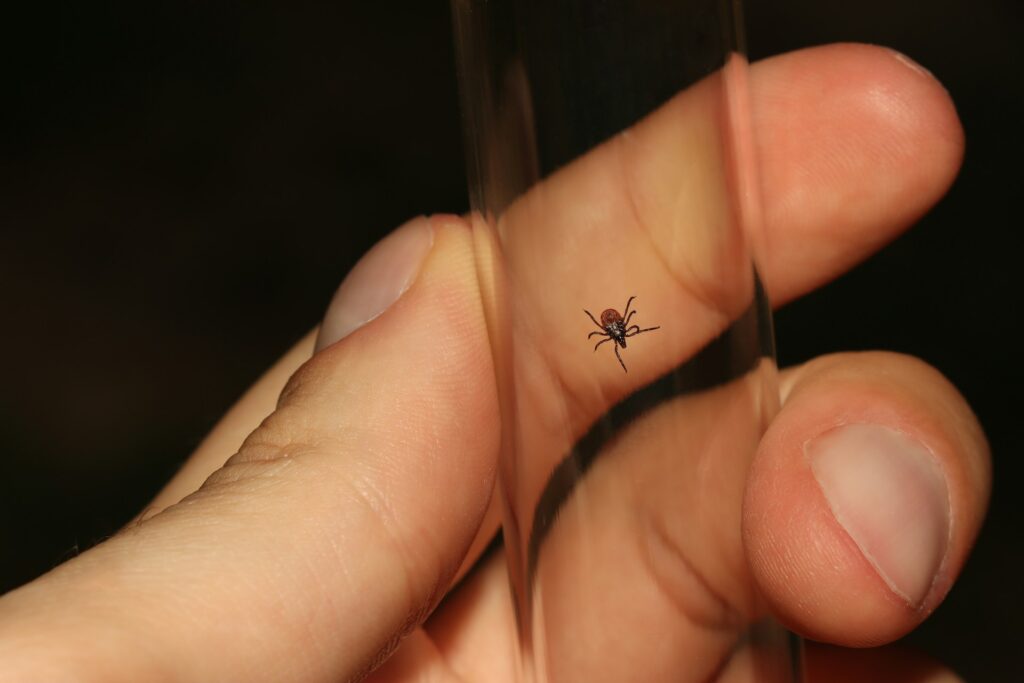
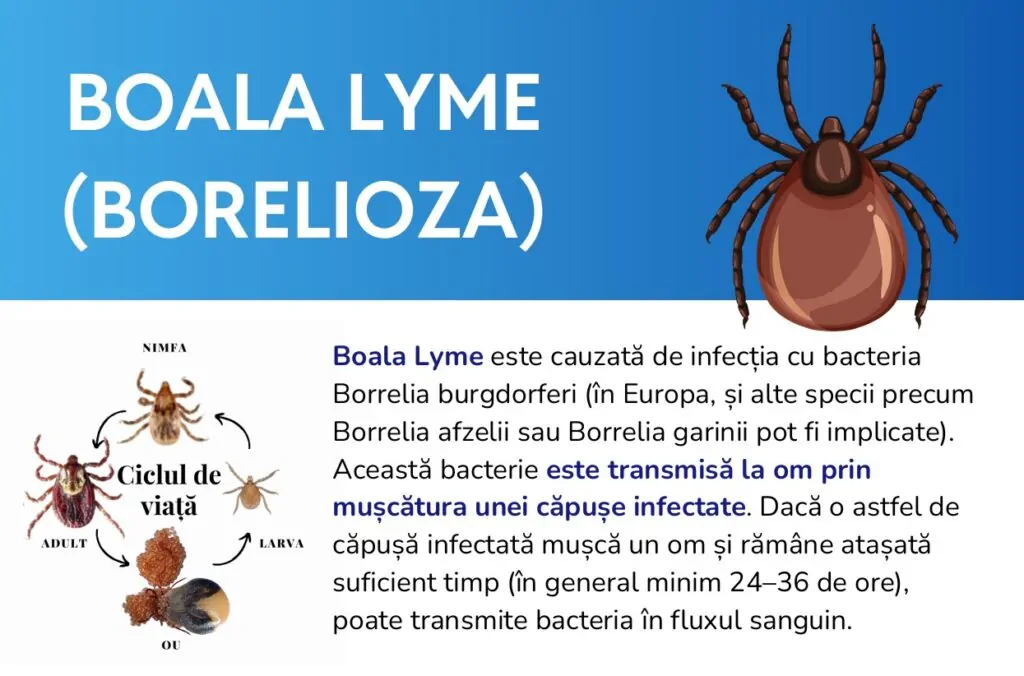
Known for its varied and sometimes elusive symptoms, Lyme disease is a condition caused by a bacterium called Borrelia burgdorferi, which is transmitted by ticks. This disease can affect a wide range of systems in the body, from the skin and the joints to the central nervous system, causing varied and sometimes severe symptoms.
Lyme disease was first identified in the town of Lyme, Connecticut, USA, in 1975, when a group of children presented unusual symptoms, including fever, a circular skin rash and joint problems. These symptoms triggered an investigation that led to the identification and description of the disease. At the same time, researchers discovered that these symptoms were associated with tick bites, opening the way towards understanding the nature and the transmission of the disease.
This is a complex condition that has intrigued and challenged doctors and researchers ever since its discovery. Understanding how this disease develops and affects the body is essential for diagnosing and treating patients effectively.
Causes and risk factors for Lyme disease
Lyme disease, or Lyme borreliosis, is an infectious condition caused by bacteria of the genus Borrelia, mainly Borrelia burgdorferi in North America and Borrelia afzelii or Borrelia garinii in Europe and Asia. Transmitted by ticks, this bacterium can enter the human body through the bite of an infected tick.
Ticks are the main hosts of the Borrelia bacterium. When an infected tick bites a person, the bacteria can be transferred into the human bloodstream. If the disease is not diagnosed and treated in the early stages, the bacteria can migrate through the body and can cause a variety of symptoms.
The risk factors for Lyme disease include:
- Exposure to Infested Ticks: Because it is transmitted by ticks, Lyme disease is more common in areas where these parasites are present in large numbers, such as forests, areas of tall grass and areas with dense vegetation.
- Outdoor Activities: People who spend a lot of time outdoors, such as those who go hiking, hunting, fishing or gardening, are exposed to a higher risk of being bitten by ticks and, implicitly, of contracting Lyme disease.
- Season and Climate: Lyme disease is more common in the warm season, in spring and summer, when ticks are more active and people spend more time outdoors. In addition, areas with high humidity and a temperate climate favour the development of ticks and of the bacteria they host.
- Lack of Protection: The lack of protective measures against ticks, such as wearing long-sleeved clothing and long trousers, using tick repellents and checking the body for ticks after outdoor activities, can increase the risk of bites and, implicitly, of infection with Borrelia.
- Endemic Areas: People who live in or travel to areas that are endemic for Lyme disease, such as certain regions of the United States of America, Europe and Asia, are exposed to a higher risk of infection.
Although direct transmission from person to person is extremely rare, there are a few ways in which this can happen, but these cases are very infrequent and are not a significant factor in the spread of the disease. Here are a few possibilities through which Lyme disease could be transmitted from person to person:
- Vertical transmission: There is some evidence that Borrelia burgdorferi bacteria can be transmitted from an infected mother to the unborn child. However, this type of transmission is rare and is not considered a significant way in which Lyme disease spreads.
- Transmission through contaminated blood: In theory, it is possible for Borrelia bacteria to be transmitted through transfusions of blood or of other blood products from an infected person to another. However, these cases are extremely rare and strict safety measures are taken in order to prevent the transmission of the infection during blood donation and transfusion.
- Transmission through sexual contact: There are a few reported cases in which Lyme disease has been associated with transmission through sexual contact. However, this route of transmission is considered rare and is not regarded as a significant factor in the spread of the disease.
It is important to take preventive measures in order to reduce the risk of tick bites and, implicitly, of Lyme disease, such as avoiding areas with a high density of ticks, using repellents and checking the body for ticks regularly after exposure to the outdoor environment.
The symptoms of Lyme disease
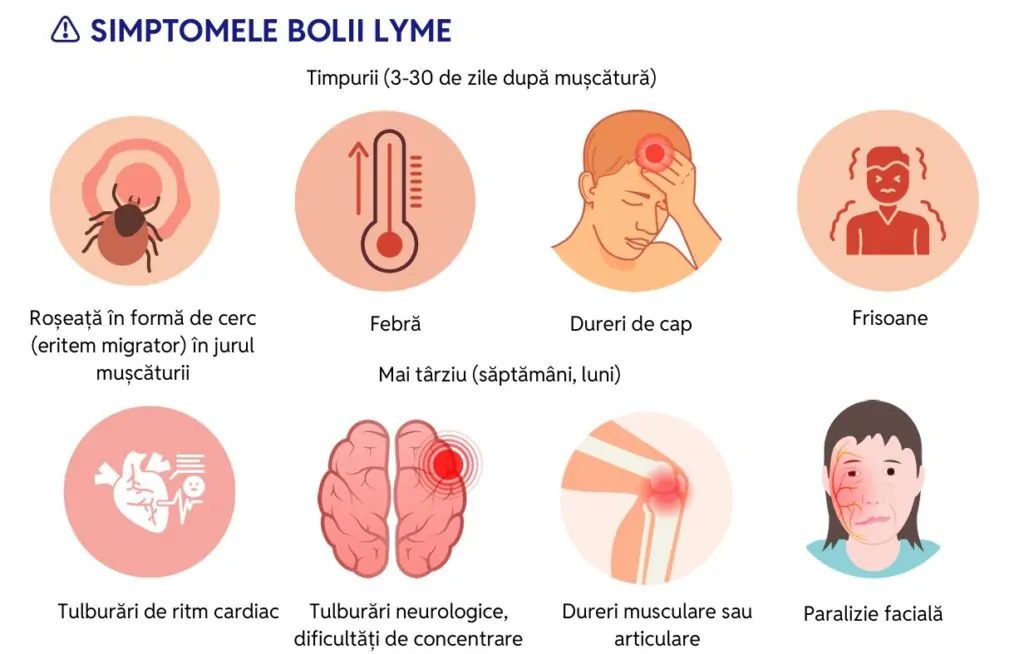
The symptoms of Lyme disease can vary depending on the stage and the severity of the infection. It is important to remember that not all patients infected with Borrelia burgdorferi bacteria present the same symptoms or in the same order. Below are listed the common symptoms associated with each stage of Lyme disease:
Stage I: The early or localised phase
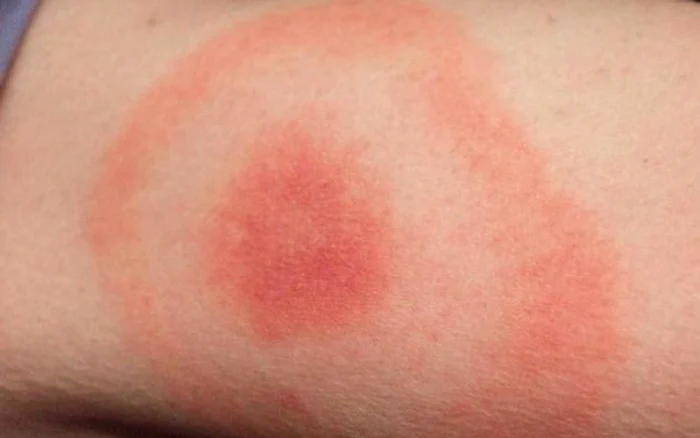
- Erythema migrans rash: Approximately 70-80% of the people infected with Lyme disease develop a characteristic rash in the shape of a red ring or of patches that spread around the site of the tick bite. This rash can appear anywhere on the body and is often painless or slightly itchy.
- Flu-like symptoms: Symptoms resembling the flu can appear, such as fever, chills, fatigue, headaches and muscle and joint pain.
Stage II: The dissemination of the infection
- Multiple skin rashes: Several skin lesions can appear, usually in areas of the body other than the initial site of the tick bite.
- Joint pain and swelling: Some people may experience recurrent joint pain and swelling, known as Lyme arthritis.
- Neurological symptoms: Neurological symptoms can appear, such as numbness or tingling in the limbs, facial paralysis or inflammation of the cranial nerves, which can lead to severe headaches or vision disturbances.
Stage III: The chronic stage
- Chronic arthritis: Recurrent joint pain can develop into a chronic form of Lyme arthritis, characterised by inflammation and deterioration of the joints, especially at the level of the knees.
- Neurological disorders: Neurological symptoms can become more severe and can include difficulties with concentration and memory, sleep disorders, depression or anxiety and problems with motor coordination.
It is important to consult a doctor if you suspect that you are suffering from Lyme disease or if you present any of these symptoms. Early diagnosis and treatment can help prevent the severe complications associated with Lyme disease.
Diagnosing borreliosis
The diagnosis of Lyme disease can be complex and sometimes difficult, because the symptoms can vary and can mimic other conditions. The diagnostic process can involve several stages, including:
- Medical History and Physical Examination: The doctor will take a detailed medical history in order to understand the patient's symptoms, their exposure to ticks and other risk factors. A physical examination can be carried out in order to look for physical signs of the disease, such as the characteristic skin rashes.
- Serological Testing: Serological tests are often used in order to detect specific antibodies against Borrelia burgdorferi bacteria in the patient's blood. The tests frequently used include the ELISA test (Enzyme-Linked Immunosorbent Assay) and the Western Blot test. It is important to note that these tests can sometimes give false positive or false negative results, especially in the early stages of the infection.
- Clinical Confirmation: The clinical diagnosis can be confirmed on the basis of the patient's specific symptoms, their medical history and the results of the serological tests.
- Culture and Direct Testing: In some cases, the doctor may try to culture Borrelia burgdorferi bacteria from blood samples or from other tissues taken from the patient. However, this method is often ineffective in the early stages of the disease and can take a long time to produce results.
- Other Investigations: In complicated cases or where there is a suspicion of neurological or joint involvement, the doctor may request additional investigations, such as magnetic resonance imaging (MRI), BrainMap (qEEG) or examination of the cerebrospinal fluid (CSF) in order to assess the implications for the central nervous system.
It is important to talk to your doctor about your symptoms and about any exposure to ticks or other risk factors in order to obtain an appropriate diagnosis and treatment for Lyme disease. Early treatment is crucial in order to prevent the severe complications associated with the disease.
The treatment of Lyme disease
The treatment for Lyme disease can vary depending on the stage of the infection and on the severity of the symptoms. It is important to consult a doctor in order to obtain a treatment plan that is appropriate for your specific situation. Below are listed and described the different types of treatment used for Lyme disease:
Antibiotics:
- Stages I and II: In the early stages of Lyme disease, antibiotics are usually prescribed in order to eradicate Borrelia burgdorferi bacteria. Oral antibiotics, such as doxycycline, amoxicillin or cephalosporins, are often recommended for approximately 2-4 weeks, depending on the severity of the infection and on the doctor's recommendations.
- Stage III (Chronic borreliosis): The treatment for the chronic stage of Lyme disease can involve long-term oral or intravenous antibiotics, often for several weeks up to several months. This decision is taken depending on the severity of the symptoms and on the response to treatment.
Adjuvant therapy:
- Anti-inflammatories: In order to help reduce inflammation and pain, non-steroidal anti-inflammatory drugs (NSAIDs) may be recommended, such as ibuprofen or naproxen.
- Treatment of the symptoms: Symptomatic treatment may be necessary in order to manage specific symptoms, such as joint or muscle pain, fatigue, digestive problems or sleep disorders.
Alternative therapy:
- Food supplements: Certain food supplements, such as probiotics, vitamins and minerals, can be added to the treatment regimen in order to support the immune system and general health.
- Integrative medicine: Some people may choose to explore complementary or alternative treatment options, such as acupuncture, homeopathy or functional medicine. It is important to talk to a qualified doctor before starting any form of alternative treatment.
Rehabilitation and management of the symptoms:
- Physiotherapy: For patients with persistent joint or muscle problems, physiotherapy can be useful in order to improve mobility and reduce pain.
- Counselling: Psychological treatment and counselling can be beneficial for managing the stress, anxiety and depression associated with Lyme disease.
Neurofeedback therapy:
This is a form of biofeedback that aims to modify brain activity in order to improve mental and behavioural functioning. In the case of patients with Lyme disease, neurofeedback therapy can be used as part of an integrative treatment plan in order to help manage the neurological symptoms and other problems associated with the disease. Here are a few ways in which neurofeedback therapy can be beneficial for patients with Lyme disease:
- Pain management: Patients with Lyme disease can experience chronic pain, including joint and muscle pain. Neurofeedback therapy can help manage pain by regulating brain activity in the regions associated with the perception and processing of pain.
- Improving cognitive function: Lyme disease can affect cognitive function, such as memory, concentration and attention. Neurofeedback therapy can be used in order to train the brain to function more efficiently in these areas, by modifying brain activity in the regions associated with cognitive processes.
- Reducing anxiety and depression: Psychological symptoms, such as anxiety and depression, can be common among patients with Lyme disease, because of the stress associated with the disease and its effects on mental health. Neurofeedback therapy can help reduce the symptoms of anxiety and depression by regulating brain activity in the regions involved in the regulation of emotions.
- Promoting healthy sleep: Insomnia and other sleep disorders can be common problems for patients with Lyme disease. Neurofeedback therapy can help improve the quality of sleep by regulating brain activity during the sleep and waking cycles.
- Supporting overall recovery: Neurofeedback therapy can be used in order to support the general process of recovery and healing among patients with Lyme disease, by optimising brain functioning and supporting mental and emotional health.
Lyme disease is cured through early treatment with antibiotics, which is usually effective in treating the infection and preventing later complications. However, in cases where Lyme disease is not detected and treated early, or in the case of severe infections, the symptoms can persist or can return after treatment. At present there is no guaranteed way of achieving a complete cure; researchers continue to investigate new treatments and strategies for borreliosis, including for treating persistent symptoms or chronic infections. Developing an effective vaccine against Lyme disease is a major objective of research, and at the moment there are vaccines at various stages of development and testing that aim to prevent infection with Borrelia burgdorferi.
It is essential always to follow your doctor's instructions and to report any symptoms or side effects that you experience during treatment. Early and appropriate treatment can contribute to a complete recovery and to preventing the complications associated with Lyme disease.
Tips for preventing Lyme disease
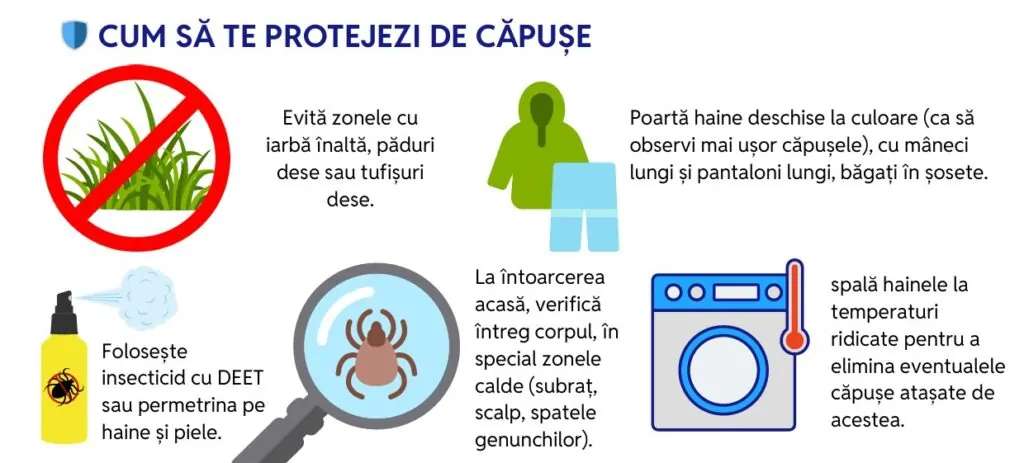
In order to avoid Lyme disease, it is important to take preventive measures to reduce exposure to ticks and to minimise the risk of bites from infected ticks. Here are a few useful tips:
- Use tick repellents: Apply tick repellent to the skin and to exposed clothing, especially in areas with a high density of ticks. Choose a repellent that contains effective ingredients such as DEET, picaridin or permethrin.
- Wear appropriate clothing: When you go into areas where ticks may be present, wear long-sleeved clothing, long trousers and closed shoes. In this way you will reduce the skin's exposure to tick bites.
- Check the body for ticks: After you have spent time outdoors in areas with ticks, check yourself and check the members of your family for the presence of ticks. Ticks can stay attached to the skin for several hours or even days, so it is important to remove them as soon as possible.
- Avoid areas with tall grass and dense vegetation: Ticks hide in areas with tall grass, bushes and fallen leaves. Try to keep away from these areas or be extremely careful when you enter them.
- Use tick treatment products for pets: Ticks can be brought into the house by pets, such as dogs and cats. Make sure you use the tick treatment products recommended by the veterinarian in order to protect the animals from ticks and to reduce the risk of transmitting Lyme disease to people.
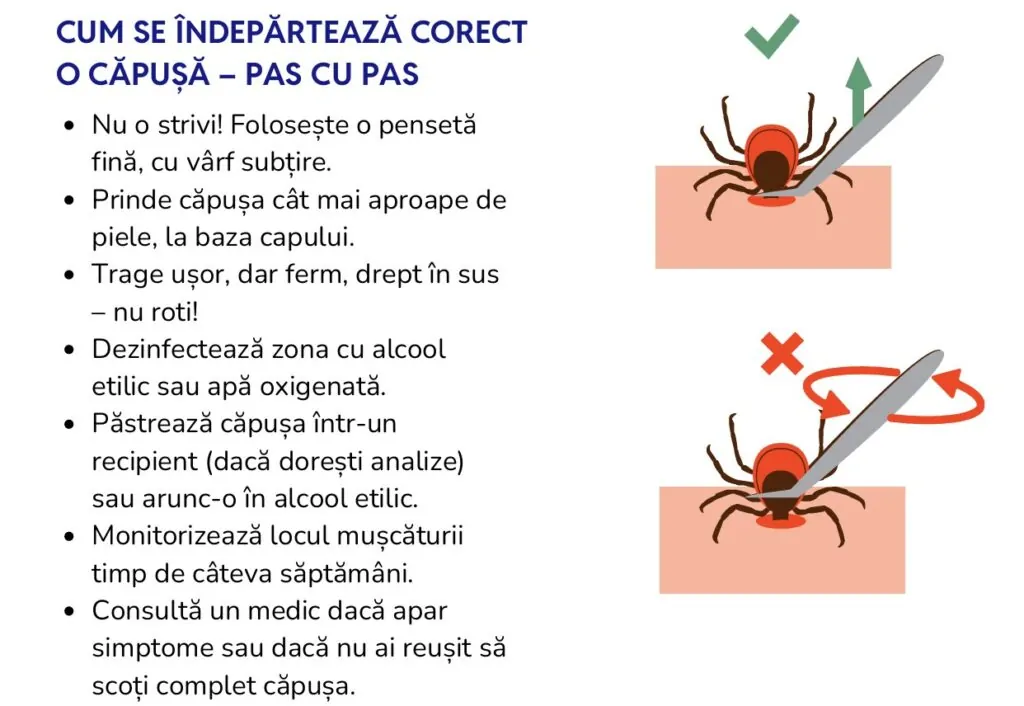
- Remove ticks correctly: If you find a tick attached to the skin, remove it as quickly as possible using fine-tipped tweezers. Pull the tick gently and evenly, without twisting or tearing off its body. Make sure you remove the entire body of the tick and do not leave any remains in the skin.
- Know the areas that are endemic for Lyme disease: Be aware of the areas where Lyme disease is more common and take additional precautions when you are in these areas.
- Assess the risk after exposure to ticks: If you have been bitten by a tick or if you present symptoms associated with Lyme disease (such as the characteristic skin rashes or flu-like symptoms), consult a doctor immediately for assessment and appropriate treatment.
Following these tips and taking appropriate preventive measures can help reduce the risk of falling ill with Lyme disease and can help maintain your health during outdoor activities. However, if you find attached ticks or tick bites, or if you experience the symptoms mentioned above, consult your doctor immediately.
Neurofeedback therapy can be a valuable component of your treatment plan for Lyme disease. Contact us today to find out more about how neurofeedback can help with pain management, with improving cognitive function and with promoting overall recovery. Together we can explore personalised treatment options and help you improve your quality of life. Fill in the form in order to book a free phone call with a specialist.
References:
- Brown, V. W. (1995). Neurofeedback and Lyme’s Disease: A Clinical Application of the Five Phase Model of CNS Functional Transformation and Integration. Journal of Neurotherapy, [online] 1(2), pp. 60-73.
- Packard, R. C. and Ham, L. P. (1995). EEG Biofeedback in the Treatment of Lyme Disease: Journal of Neurotherapy, [online] 1(3), pp. 22-31.
🧠 How does your brain work?
Download the guide for FREE and find out what your brain map shows.
📖 Our books - Real case studies with brain maps
📖 Vindecarea Depresiei (Healing Depression, in Romanian) - 29.00 RON
📖 Vindecarea Anxietatii (Healing Anxiety, in Romanian) - 29.00 RON
📖 Eliminarea Atacurilor de Panica (Ending Panic Attacks, in Romanian) - 29.00 RON
What a brain map shows after Lyme disease
Antibiotics clear the infection. For most people, treatment started early closes the matter within a few weeks.
A smaller group is left, for whom things carry on. After a course correctly completed the tests no longer show an active infection, yet some patients report months of fatigue, diffuse pain and a slowness of thinking they usually describe as brain fog. The medical literature calls this picture post-treatment Lyme disease syndrome. Six months after treatment, the CDC reports that these symptoms are 5–10% more common among people who have had Lyme than among those who have not. The cause remains an open question, and similar symptoms are reported after other infections too. Current guidelines recommend stopping antibiotics at the established course, because controlled studies found no added benefit from extending it.
On the symptom side there is room to work, and that is where measurement comes in. It is worth saying plainly what it can do.
What sits outside its reach
A qEEG stays outside the diagnosis of Lyme disease. The diagnosis is made by the infectious disease specialist or the neurologist, from the history of exposure, the clinical signs and two-tier serological testing. A brain map neither confirms nor rules out the presence of the bacterium. Brain training works on the symptom, while the infection remains the business of antibiotics and of the doctor who prescribes them.
What is measured, in concrete terms
The measurement runs like this. We record the brain's electrical activity at rest, with the eyes closed and then open, and the result is compared against a normative database for age. Three things come out of that comparison which matter for someone with brain fog.
The first is the ratio of slow to fast activity over the frontal regions. An excess of slow wave in the waking state often goes hand in hand with the feeling that any task demands an effort out of proportion to its real difficulty.
The second is reactivity when the eyes open. A rested brain visibly shifts its regime at that moment, whereas an exhausted one responds far more faintly.
The third is how attention holds across the recording, which shows whether it drifts away gradually or drops off sharply. The two patterns call for different approaches.
None of these measurements is a marker of Lyme borreliosis. They all describe the state the brain is in now, whatever brought it there.
The practical use lies in a plan built on data rather than on guesswork. If the map shows frontal slowing and fragmented sleep, the training starts there, and progress is measured again at intervals with the same method. The plan changes when the measurements stand still.
Results differ a great deal. Brain training is done alongside the treatment recommended by your doctor.
References for this section
- Centers for Disease Control and Prevention. Chronic Symptoms and Lyme Disease. [online] Available at: cdc.gov/lyme/signs-symptoms/chronic-symptoms-and-lyme-disease.html.
How to book an assessment after Lyme disease
If you have finished the antibiotic treatment and the cognitive symptoms have stayed, the first conversation is free and takes about twenty minutes. You tell us what has changed since the infection, what troubles you most right now and what your medical documents show. When an assessment makes sense in your case, we explain what it includes. A negative answer comes just as directly.
Do you want to understand what is happening in your brain?
Book a call with the BrainMap Institute's specialists and find out how a BrainMap and brain training can help you.
Frequently asked questions
How do you catch Lyme disease?
Lyme disease is an infectious condition caused by bacteria of the Borrelia genus (mainly Borrelia burgdorferi), transmitted through the bite of an infected tick. When the tick bites, the bacteria can enter the bloodstream and, if the disease is not treated in time, they can migrate through the body. Direct person-to-person transmission is extremely rare and is not a significant route of spread.
What are the symptoms of Lyme disease?
The symptoms vary by stage. In the early phase, about 70-80% of infected people develop a characteristic ring-shaped rash (erythema migrans), often accompanied by flu-like symptoms. In later stages there can be multiple rashes, joint pain and swelling (Lyme arthritis) and neurological symptoms, while the chronic stage brings chronic arthritis and neurological disorders. If you suspect the disease, see a doctor.
How is Lyme disease diagnosed?
The diagnosis can be complex, because the symptoms can mimic other conditions. It involves the medical history and physical examination, serological antibody tests (ELISA and Western Blot, which can sometimes give false positive or false negative results) and clinical confirmation. In complicated cases, where neurological involvement is suspected, the doctor may request further investigations such as an MRI, a BrainMap (qEEG) or examination of the cerebrospinal fluid.
Can Lyme disease be cured?
Caught in time, Lyme disease is usually treated effectively with antibiotics (such as doxycycline, amoxicillin or cephalosporins), generally given for 2-4 weeks in the early stages. If it is not detected early, or in severe cases, symptoms can persist or return, and there is currently no guaranteed way of fully curing the chronic forms. That is why early treatment and following the doctor's instructions are essential.
How do you protect yourself from Lyme disease?
Prevention means reducing exposure to ticks: use effective repellents (with DEET, picaridin or permethrin), wear long sleeves and long trousers in risk areas, avoid tall grass and dense vegetation and check your body after outdoor activities. If you find an attached tick, remove it properly and as quickly as possible with fine-tipped tweezers. If a characteristic rash or flu-like symptoms appear after a bite, see a doctor immediately.