
Paranoia- what it is, causes, symptoms, diagnosis and treatment
Paranoia: causes, symptoms, diagnosis and treatment. Find out how excessive suspicion and mistrust show up and which therapy options exist.
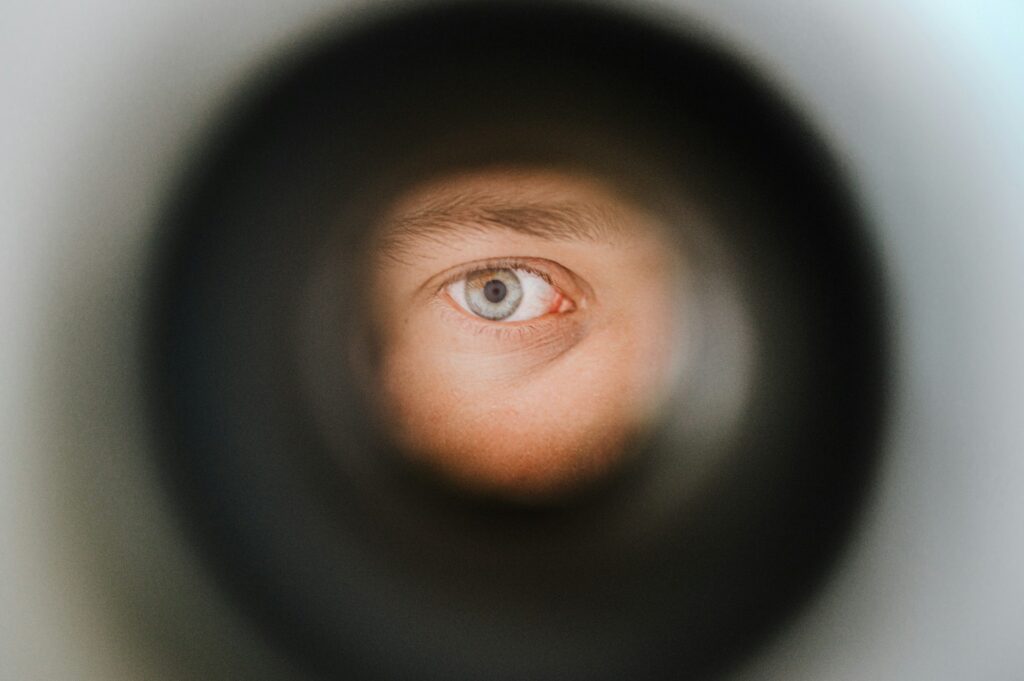
What paranoia is
Paranoia is a mental state characterised by excessive suspicion, unjustified mistrust and the conviction that others have hostile intentions or are conspiring against the person affected. It can appear as a symptom of several mental disorders, such as paranoid personality disorder, persecutory delusional disorder or paranoid schizophrenia. The people affected tend to interpret neutral or even well-meaning events as threatening, which can damage their interpersonal relationships and their social functioning.
The history of the diagnosis and the DSM-5 criteria
The concept of paranoia dates back to antiquity, but the term was defined more clearly in the 19th century by psychiatrists such as Emil Kraepelin and Sigmund Freud. In the DSM-5 (Diagnostic and Statistical Manual of Mental Disorders, fifth edition), paranoia is diagnosed mainly in the context of paranoid personality disorder or of persecutory delusional disorder. The criteria for paranoid personality disorder include unjustified suspicion of others, a negative interpretation of their intentions, a tendency to bear grudges and difficulty in building trusting relationships. In persecutory delusional disorder, the person develops persistent delusional beliefs that they are being persecuted, followed or sabotaged, without any legitimate justification.
The difference between paranoia and paranoid schizophrenia
Paranoid schizophrenia (a subtype of schizophrenia) involves hallucinations, delusions and other severe psychotic symptoms, which profoundly affect the perception of reality. Unlike isolated paranoia, schizophrenia frequently includes cognitive disorganisation, flat affect and significant difficulties in functioning. Schizophrenia is also a chronic psychotic illness that requires complex treatment, while paranoia can be managed more easily through psychotherapy.
Causes and risk factors for paranoid personality disorder
- Genetic factors
Studies suggest that paranoid personality disorder may have a hereditary component, being more frequent in people who have family members diagnosed with schizophrenia or with other psychotic disorders. Although no specific set of genes has been identified as responsible, it is believed that genetic predisposition can influence the development of this personality type. - Neurobiological factors
Certain dysfunctions of the neurotransmitters, especially of dopamine, can contribute to the appearance of paranoid thinking. Chemical imbalances in the brain can cause a person to misinterpret social information and to perceive threats that do not exist, which can favour the appearance of a paranoid thinking pattern. - Traumatic experiences in childhood
Children who were exposed to physical or emotional abuse or to severe neglect can develop a tendency towards hypervigilance and excessive suspicion of others. Early trauma can lead to the formation of rigid defence mechanisms, making the individual extremely cautious and prone to interpreting other people's intentions in a negative or threatening way. - The family environment and the attachment style
A family environment characterised by a lack of trust, by dysfunctional relationships or by excessively critical and domineering parents can contribute to the development of an insecure attachment style . This can make the individual perceive the world as hostile and develop a paranoid thinking pattern. - Socio-cultural factors
People who have lived in extremely competitive, violent or unstable environments can develop a distorted perception of the world and of the intentions of those around them. For example, those who have been exposed to discrimination, social exclusion or situations of war may have an increased tendency to develop suspicion and mistrust of others. - Associated mental disorders
Paranoid personality disorder can appear alongside other disorders, such as post-traumatic stress disorder (PTSD), anxiety disorder or other personality disorders. These comorbidities can accentuate paranoid tendencies and can make the person affected maintain their suspicions despite evidence to the contrary. - Substance abuse
Excessive drug or alcohol use can trigger or aggravate paranoid symptoms. Certain substances, such as amphetamines or cannabis, can induce episodes of paranoia and can contribute to the development of a distorted view of reality. In the long run, substance abuse can favour the appearance and the rigidification of paranoid thinking patterns.
The symptoms of paranoid personality disorder
- Excessive and unjustified suspicion
People with this disorder tend to be deeply suspicious of those around them and interpret other people's intentions as malicious, even when there is no clear evidence for this. This behaviour makes it difficult for them to build trusting relationships. - The tendency to misinterpret other people's intentions
Any comment or gesture can be perceived as criticism or as a threat, which leads these individuals to react defensively or aggressively. For example, a compliment can be interpreted as an attempt at manipulation. - Resistance to trusting others
People with paranoid disorder avoid sharing personal information, for fear that it will be used against them. Even in close relationships they remain reticent and reserved. - Hypervigilance and the tendency to be always on guard
These people are constantly alert to possible threats and may obsessively analyse other people's behaviour in search of signs of betrayal or conspiracy. This high level of vigilance creates constant stress for them. - Disproportionate reactions to apparent criticism
Any form of negative feedback is interpreted as a personal attack, and the person affected may react with anger or hostility. They do not easily accept suggestions or corrections, because they perceive them as an attempt to undermine them. - Difficulty in forgiving
People with this disorder tend to hold grudges for years, remembering in detail every perceived injustice. They never forget an affront and may even seek revenge, whether real or symbolic. - Jealousy and suspicion towards the partner
In romantic relationships, these people can be excessively jealous and constantly suspect their partner of infidelity or betrayal, even without any obvious reason. This behaviour can lead to frequent conflicts and even to the break-up of the relationship. - Difficulty in maintaining social relationships
Because of their suspicious nature and their tendency to misinterpret other people's behaviour, people with this disorder have difficulty maintaining friendships or stable working relationships. Most often, they end up socially isolated. - The tendency to feel persecuted
Even in neutral situations, they may have the feeling that they are the target of plots or that the people around them want to harm them. This conviction affects their ability to lead a normal life and to make decisions based on reality. - Lack of a sense of humour and rigidity in thinking
People with this disorder often have difficulty understanding jokes or irony and interpret them as personal attacks. They are also rigid in their beliefs and do not easily change their perspective, even when faced with clear evidence that contradicts their view.
How is paranoia diagnosed?
The diagnosis of paranoia, whether it involves paranoid personality disorder or paranoid symptoms associated with other mental disorders, requires a careful assessment carried out by a mental health specialist (psychiatrist or clinical psychologist). The diagnostic process involves several stages:
- Detailed medical history
The doctor or the psychologist talks with the patient in order to understand their medical, psychiatric and family history. Questions will be asked about life experiences, social relationships, the difficulties encountered and possible traumas. - Assessment of symptoms according to the DSM-5
In order for paranoid personality disorder to be diagnosed, the symptoms must meet the criteria set out in the Diagnostic and Statistical Manual of Mental Disorders (DSM-5). These criteria include:- Constant suspicion of others, even without evidence
- Negative interpretation of other people's intentions
- Refusal to trust people for fear of being betrayed
- Defensive and hostile responses to criticism
- A tendency to bear grudges and not to forgive easily
- Questionnaires and psychological tests
Standardised tests may be used, such as:- The Minnesota Multiphasic Personality Inventory (MMPI-2) - a test used for assessing personality traits
- Paranoia Scale - a questionnaire that measures the level of suspicion and of paranoid thinking
- The Personality Assessment Inventory (PAI) - useful for assessing personality traits and possible associated disorders
- Ruling out other medical causes
Before a final diagnosis is made, possible organic causes must be ruled out, such as neurological conditions, hormonal imbalances or the side effects of certain medicines or psychoactive substances. - BrainMap and neurophysiological analysis
A modern and objective assessment method is the mapping of brain activity (qEEG BrainMap). It provides a detailed picture of the way the patient's brain functions and highlights any imbalances in neuronal activity that may be correlated with paranoid thinking.
Treatment options for paranoia
Treatment for paranoia varies depending on the severity of the symptoms and on their causes. Although paranoia is difficult to treat, the right combination of therapies can significantly improve the patient's quality of life.
1. Neurofeedback - a modern and non-invasive approach
Neurofeedback is a non-invasive method of training the brain, based on the self-regulation of neuronal activity. This technique uses brain mapping (BrainMap) in order to identify brain imbalances and to correct them through specific exercises.
Benefits of neurofeedback in the treatment of paranoia:
- It regulates the abnormal activity of the brain regions involved in excessive suspicion and emotional hyperactivity
- It improves cognitive functions and reduces rigidity in thinking
- It lowers stress and anxiety, factors that aggravate paranoia
- It increases the capacity for social adaptation and for trusting others
- It is done alongside psychiatric treatment, not instead of it
Neurofeedback is a valuable alternative for people who do not wish to resort to medicines or who have not responded well to other forms of treatment.
2. Cognitive behavioural therapy (CBT)
This is one of the most effective psychotherapeutic methods for paranoia. Through CBT, the patient learns:
- To identify and correct the cognitive distortions that feed paranoid thinking
- To develop emotional regulation skills
- To improve their social relationships and to build trust in others
3. Medication - an option for severe cases
In some situations, medicines may be needed in order to control severe paranoia symptoms. The frequently used options include:
- Atypical antipsychotics - used to reduce suspicion and delusional thoughts
- Anxiolytics - they can help reduce the anxiety associated with paranoia, but they must be used with caution
- Antidepressants - useful when paranoia is associated with depression or anxiety
Although medicines can be useful in certain cases, they carry the risk of side effects and do not treat the cause of the problem, only the symptoms. That is why they are recommended in combination with other therapies.
4. Occupational therapy and social support
Integrating the patient into social and occupational activities can help improve their functioning in society. Support groups and family counselling are essential in order to support patients through the recovery process.
5. A balanced lifestyle and relaxation techniques
- Meditation and breathing techniques help reduce stress and emotional hyperactivity
- Regular physical exercise contributes to balancing the brain's chemistry and to improving mood
- A balanced diet, rich in nutrients that are essential for brain health (Omega-3 fatty acids, B vitamins, magnesium), can have a positive impact on cognitive and emotional functioning
Paranoia is a complex condition that requires a personalised therapeutic approach. Although medication may be necessary in severe cases, modern therapies such as neurofeedback offer a non-invasive and effective alternative for regulating brain activity and reducing symptoms. In combination with cognitive behavioural therapy and other supportive methods, patients can learn to manage their symptoms and to lead a more balanced life.
Complications associated with paranoid personality disorder
- Social isolation
People with paranoid personality disorder tend to suspect other people's intentions, which leads them to avoid social interaction. In time, this can result in severe isolation, a lack of emotional support and difficulty in maintaining personal or professional relationships. - Difficulties at work
Excessive suspicion and the tendency to misinterpret the behaviour of colleagues or superiors can lead to frequent conflicts in the workplace. The people affected may have problems collaborating with teams, which can limit their opportunities for professional advancement. - Problems in personal relationships
Pathological jealousy, a lack of trust and the erroneous interpretation of the partner's actions can lead to tense and unstable relationships. Many of those with this disorder end up losing their close relationships because of unfounded suspicions and of their refusal to accept emotional support. - Anxiety and depression
Living constantly in a state of alert and suspicion can lead to chronic anxiety and, in some cases, to depression. The people affected may feel a lack of hope and a mistrust of the future, which can profoundly affect their well-being. - Aggressive or hostile behaviour
In some cases, paranoid beliefs can escalate and can lead to aggressive behaviour or to verbal and physical confrontations. People with this disorder may react disproportionately to minor situations, perceiving them as direct threats. - Refusal of treatment
One of the greatest complications is resistance to treatment. Because these people tend not to trust others, including mental health professionals, they often refuse therapy or medication, which prevents their recovery. - The risk of substance abuse
Some people with paranoid personality disorder may resort to alcohol or drugs as a coping mechanism in order to deal with stress and constant suspicion. This can lead to addiction and to a further deterioration of mental health. - The development of psychotic disorders
In severe cases, paranoia can progress towards psychotic episodes, in which the person loses contact with reality. This can lead to hallucinations, delusions and an increased level of danger for themselves and for others.
If you are dealing with excessive suspicion, with difficulties in social relationships or with constant anxiety, neurofeedback therapy can be the right solution for you. This non-invasive method helps regulate brain activity, reducing hyperactivity in the regions responsible for fear and suspicion. Neurofeedback does not involve medication and offers lasting results by training the brain towards an optimal balance. Book a consultation and discover how you can gain more calm and more confidence in everyday life!
🧠 How does your brain work?
Download the guide for FREE and find out what your brain map shows.
📖 Our books - Real case studies with brain maps
📖 Vindecarea Depresiei (Healing Depression, in Romanian) - 29.00 RON
📖 Vindecarea Anxietatii (Healing Anxiety, in Romanian) - 29.00 RON
📖 Eliminarea Atacurilor de Panica (Ending Panic Attacks, in Romanian) - 29.00 RON
Do you want to understand what is happening in your brain?
Book a call with the BrainMap Institute's specialists and find out how a BrainMap and brain training can help you.