
Dysthymia: what mild chronic depression is, causes, symptoms and treatment options
Dysthymia, or persistent depressive disorder, is a chronic, milder form of depression. Learn about its causes, symptoms, diagnosis and treatment.
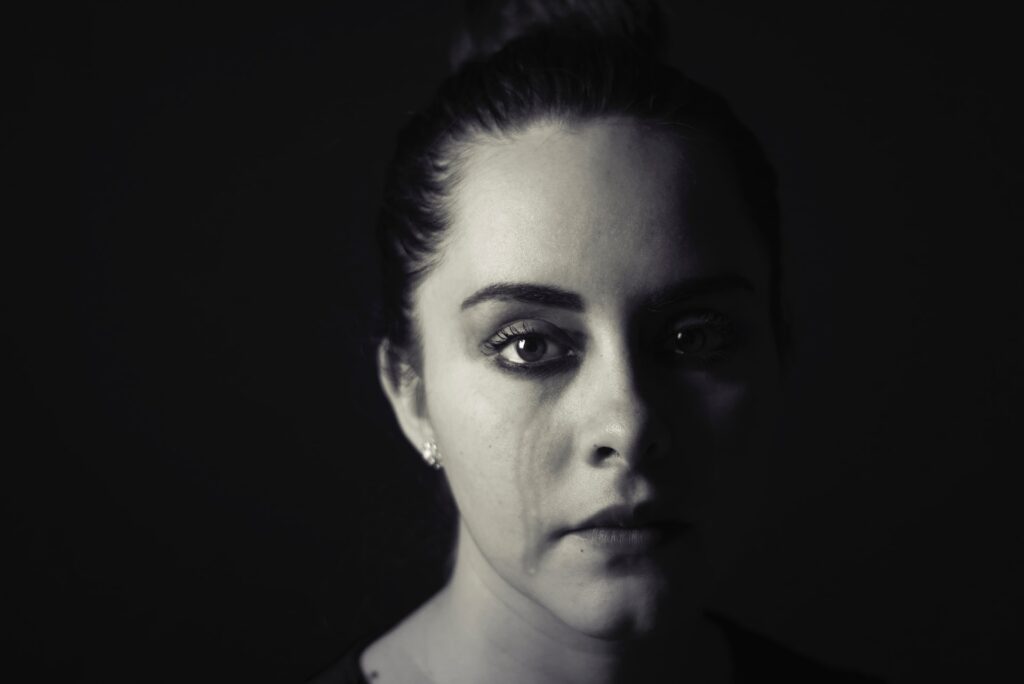
Depression does not always arrive in intense waves that overwhelm you. In some people it settles in differently. Sadness and tiredness creep in unnoticed, and the lack of energy stays for years, until it becomes an almost “normal” background to everyday life. This is what a chronic, but less severe, form of depression looks like. It is called dysthymia. In today’s medical language, persistent depressive disorder. Below we explain what dysthymia is and how it differs from major depression, what its causes and symptoms are, how the diagnosis is made and what treatment options exist.
What is dysthymia?
Dysthymia is a chronic depressive disorder. The low mood persists for a long time. In the DSM-5, the “Diagnostic and Statistical Manual of Mental Disorders”, the condition is called persistent depressive disorder and brings together what was once described separately as dysthymia and chronic major depression.
Passing sadness is a natural reaction to a difficult event and it goes away on its own. Dysthymia works differently. It means a depressed mood present for most of the day, on most days, over at least two years in adults. Compared with major depression, the symptoms are usually milder. It is precisely their duration that makes them demanding. Many people come to believe that “this is just who they are”, that the lack of energy or the pessimism belongs to their personality rather than to a condition that can be assessed and treated.
Dysthymia vs major depression
Dysthymia and major depression are related. They belong to the same family of depressive disorders. They show up differently, though. Major depression usually appears in intense, clearly delimited episodes that severely affect a person’s day to day functioning. Dysthymia is more discreet. On the other hand, it lasts a long time. Here are the main differences:
- Duration: dysthymia means symptoms present for at least two years in adults (one year in children and adolescents), whereas an episode of major depression is diagnosed after at least two weeks.
- Intensity: in dysthymia the symptoms are usually milder, but persistent; in major depression they are more severe and more overwhelming.
- The way it shows up: major depression develops in episodes, with periods of remission, while dysthymia tends to be continuous, a constant background of low mood.
- The impact over time: being chronic, dysthymia can gradually erode quality of life, relationships and performance, even if the person carries on functioning seemingly normally.
- The risk of “double depression”: an episode of major depression can settle on top of the chronic background of dysthymia, a situation known as double depression, which needs additional medical attention.
The boundaries between these forms are not always clear. And only a mental health specialist can establish the correct diagnosis.
The causes of dysthymia
Dysthymia does not have a single cause. Like other depressive disorders, it usually arises from a combination of several factors: genetic, biological, psychological and environmental. Among the most frequently involved are:
- Genetic predisposition: a family history of depression or of other mood disorders increases the likelihood of developing dysthymia.
- Imbalances at the level of neurotransmitters: changes in the activity of certain brain chemicals, such as serotonin, dopamine and noradrenaline, are associated with low mood.
- Chronic stress: prolonged exposure to stressful situations can keep the body in a state of tension. You can find out more about this mechanism in the article on stress and on the role of cortisol, the stress hormone.
- Difficult early experiences: losses, trauma or an unstable environment in childhood can increase vulnerability later on.
- Personality traits and thinking patterns: pessimism, marked self-criticism or a tendency to worry can maintain the depressive state.
Causes matter. When you understand which factors are at play, it is easier to build a suitable treatment plan together with a specialist.
The symptoms of dysthymia
The signs of dysthymia are often more discreet than those of major depression. The reason? They set in gradually and become part of the routine, hard to notice. There is usually a low mood for most of the day, on most days. Added to it are at least a few of the manifestations below:
- Persistent tiredness and lack of energy.
- Low self-esteem and lack of confidence in one’s own abilities.
- Difficulty concentrating and making decisions.
- Changes in appetite, with overeating or loss of appetite.
- Sleep problems, such as insomnia or, on the contrary, excessive sleep.
- Loss of interest in activities that used to be enjoyable.
- Feelings of sadness, hopelessness or pessimism that are hard to shake off.
- Irritability and a reduced ability to cope with daily demands.
These symptoms are not unique. They can resemble those of other conditions, medical or psychological. That is exactly why a correct diagnosis requires assessment by a specialist.
How is dysthymia diagnosed?
The diagnosis of dysthymia is made by a psychiatrist or a clinical psychologist, based on a careful assessment of the symptoms, their duration and the person’s history. The main reference today remains the DSM-5, which classifies dysthymia as persistent depressive disorder.
The duration criterion is essential. In adults, the depressed mood has to be present for most of the day, on most days, for at least two years. In children and adolescents the minimum duration drops to one year, and the state sometimes shows itself more through irritability than through obvious sadness. Besides the low mood, at least two associated symptoms are needed: sleep or appetite problems, tiredness, low self-esteem, difficulty concentrating or feelings of hopelessness. To all of this one more condition is added: the person must not have had symptom-free periods longer than two months.
During the assessment, the specialist also rules out other possible causes: medical conditions, effects of certain medicines or other mental disorders. The diagnosis can be a complex one. For this reason it is good to consult a mental health professional, the only one who can confirm the condition and propose a suitable plan.
Treatment options for dysthymia
Dysthymia is a treatable condition. With the right support, the symptoms can improve significantly. The treatment plan is set individually. It can combine several approaches:
1. Psychotherapy. It is often the foundation of treatment. Cognitive behavioural therapy, also known as CBT, helps the person recognise and reframe the patterns of negative thinking and the behaviours that maintain the depressive state, while building strategies for managing stress and emotions. Other forms of therapy, such as interpersonal therapy, can also prove useful, depending on the situation.
2. Antidepressant medication. Sometimes the doctor may recommend antidepressant medication. It acts on the neurotransmitters involved in regulating mood. Such treatment is not started and not stopped on your own. The decision belongs exclusively to the doctor. They adjust it according to the symptoms and to each person’s response.
3. Neurofeedback therapy. Neurofeedback is a non-invasive method of brain training. It monitors the brain’s electrical activity and provides feedback in real time, helping the brain regulate its own activity better. The procedure involves no medication and no invasive interventions, and the settings are adapted to each person’s profile. It nevertheless remains a complementary option, not a miracle solution, and results can vary from one person to another. You can find out more about the approach to depressive conditions on the page dedicated to depression treatment.
Whatever the methods chosen, the best strategy is built together with a specialist. They can combine the approaches according to each person’s needs.
When to ask for help
Dysthymia sets in slowly. It sometimes seems merely a “character trait”, and many people put off seeking help for years. It is worth asking a specialist for support when the sadness and tiredness have lasted for several weeks or months, when the lack of energy does not pass and affects your work, your relationships, even your everyday joy. The earlier the assessment takes place, the more easily you prevent complications such as double depression.
Ask for emergency help if thoughts about death, self-harm or suicidal thoughts appear, whether in you or in someone close to you. In that case, immediate contact with a doctor or with the emergency services is essential. It is not a sign of weakness. It is a responsible step.
Asking for help is already the first step. It brings you closer to a better state. Perhaps you are dealing with symptoms of this kind. Perhaps depression has been present in your family history. Either way, a conversation with a specialist helps you understand what is happening and what options you have.
Do you want to understand what is happening in your brain?
Book a conversation with the specialists of the BrainMap Institute and find out how a BrainMap and brain training can help you.
Frequently asked questions
Can dysthymia be cured?
Dysthymia is a treatable condition. The symptoms can improve significantly through psychotherapy, through antidepressant medication when it is needed and through non-invasive approaches such as neurofeedback. How much and how quickly differs from one person to another and depends on when treatment begins. That is exactly why the assessment and the plan established together with a specialist remain essential.
What is the difference between dysthymia and major depression?
Dysthymia, that is persistent depressive disorder, is a chronic, but usually milder, form of depression. Its symptoms are present for at least two years in adults. Major depression appears in episodes. These are more intense and more clearly delimited and they severely affect daily functioning. Sometimes an episode of major depression settles on top of dysthymia, a situation called double depression. Only a specialist can establish the exact diagnosis.
How long does dysthymia last?
By definition, dysthymia means symptoms that last at least two years in adults and at least one year in children and adolescents. Being chronic, it can persist for long periods if it remains untreated. With appropriate support, on the other hand, the symptoms can improve. The actual duration differs from one person to another.
Is dysthymia serious?
The symptoms of dysthymia are usually milder than those of major depression. Its chronic character matters, though. It is a condition that deserves to be taken seriously. Over time it can affect relationships and work, all the way to quality of life, and it can increase the risk of an episode of major depression. This is why assessment by a specialist matters.
How is dysthymia treated?
The treatment of dysthymia is individualised. It can include psychotherapy, especially cognitive behavioural therapy, antidepressant medication recommended by a doctor and non-invasive options such as neurofeedback therapy. The best results often come from combining several approaches. And the right plan is always established together with a mental health professional.