
5 eating disorders: causes, symptoms and neurofeedback treatment
The 5 eating disorders, their causes and symptoms, plus how neurofeedback can support emotional balance and recovery.

What are eating disorders?
Eating disorders are complex conditions with a psychological, emotional and biological component, which affect a person's relationship with food, body weight and self-image. These disorders are not limited to dysfunctional eating behaviours; they also include obsessive thoughts about food, weight and control. They can appear at any age, but they are more frequent in adolescence and in young adults.
The impact on physical health is significant: malnutrition, hormonal imbalances, damage to vital organs (heart, kidneys, liver), weakening of the bones and of the immune system. In severe cases, eating disorders can even lead to lethal complications.
Beyond the physical aspect, the effects on mental health are profound. The people affected may suffer from anxiety, depression, low self-esteem and social isolation. In addition, eating disorders are often accompanied by perfectionism and by difficulties with emotional regulation, which makes recovery more complex and requires specialised intervention.
Types of eating disorders
Eating disorders take several forms, each with its own clinical particularities and distinct consequences. Understanding these types is essential for recognising them and for intervening early. Although they are expressed differently, they all share a distorted relationship with food and with body image.
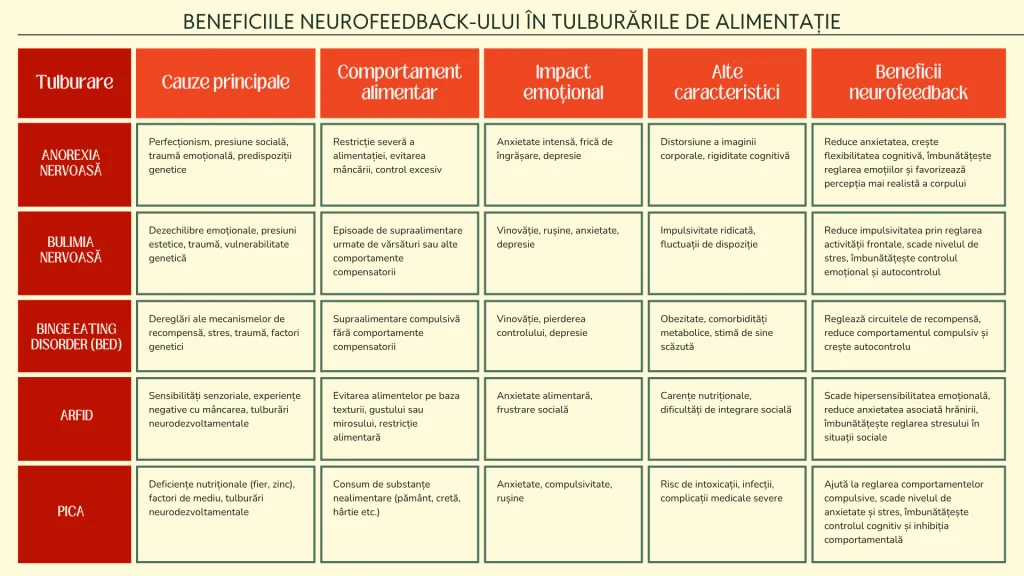
Anorexia nervosa is characterised by severe restriction of food intake, an intense fear of gaining weight and a distorted body image. The symptoms include significant weight loss, refusal to eat, obsessive preoccupation with calories and excessive physical exercise. The causes are complex and include genetic factors, social pressure, perfectionism and emotional trauma. The health risks are severe: malnutrition, cardiac disorders, osteoporosis, infertility and an increased risk of suicide, while the frequent comorbidities include depression and anxiety disorders.
Bulimia nervosa manifests itself through recurrent episodes of uncontrolled overeating (binge eating), followed by compensatory behaviours such as self-induced vomiting, laxative abuse or excessive physical exercise. The symptoms include cycles of compulsive eating and purging, shame and guilt after meals, as well as weight fluctuations. The causes combine genetic vulnerability, the pressure of beauty standards and emotional factors such as anxiety or trauma. The risks include electrolyte imbalances, gastrointestinal problems, dental and cardiac damage, while the frequent comorbidities are major depression and borderline personality disorder.
- Binge Eating Disorder
This disorder involves repeated episodes of excessive food consumption, accompanied by a sense of loss of control, but without the compensatory behaviours seen in bulimia. The symptoms include eating rapidly, consuming large quantities of food even in the absence of hunger and intense guilt after the episodes. The causes are often linked to stress, emotional trauma, genetic factors and poor regulation of the brain's reward mechanisms. The health risks include obesity, type 2 diabetes, hypertension and cardiovascular disease, while the frequent comorbidities are anxiety disorders and depression.
- Avoidant/restrictive food intake disorder (ARFID)
ARFID is characterised by the avoidance or restriction of food intake for reasons related to texture, taste, smell or fear of choking/vomiting, without any concerns about body image. The symptoms include persistent refusal of food, weight loss, nutritional deficiencies and avoidance of social meals. The causes are associated with sensory sensitivities, traumatic experiences related to food and neurodevelopmental factors. The risks include malnutrition, growth delay in children and a weakened immune system, while the comorbidities often include disorders of the autism spectrum and anxiety.
- Pica
Pica is an eating disorder characterised by the persistent consumption, for at least one month, of non-food substances such as soil, chalk, paper, hair or metal. The symptoms include a compulsive attraction to inedible objects and the inability to control this atypical eating behaviour. The causes are multiple: nutritional deficiencies (iron, zinc), environmental factors, emotional trauma, but also developmental disorders such as autism or intellectual disability. The health risks are serious and include poisoning, intestinal obstruction, parasitic infections, dental damage and malnutrition. The frequent comorbidities are anxiety disorders, depression and neurodevelopmental disorders.
Diagnosing eating disorders
Diagnosing eating disorders requires a careful assessment of eating behaviours, of physical condition and of the person's emotional health. The first step is usually the case history, that is the discussion between patient and specialist, which explores the eating history, weight fluctuations, habits related to food and the emotional relationship with it. Warning signs are also taken into account, such as severe food restriction, episodes of overeating, self-induced vomiting or excessive preoccupation with weight and physical appearance.
Alongside the clinical assessment, doctors and psychologists often use questionnaires and structured interviews, such as the EDE-Q (Eating Disorder Examination Questionnaire) or other standardised scales, which help to identify behavioural patterns and the severity of the disorder. These instruments are useful for distinguishing between the different types of eating disorder, but also for tracking progress over time, throughout treatment.
The diagnosis is not limited to the psychological side; it also includes a detailed medical assessment. Blood tests, measuring vitamin and mineral levels, electrocardiograms and hormonal evaluations are frequently necessary, because eating disorders have a major impact on physical health: they can affect the heart, the liver, the kidneys, the skeletal system and the nervous system. This step is essential in order to identify complications and to adapt the treatment to individual needs.
An important aspect of the diagnosis is the recognition of comorbidities, because most people with eating disorders also suffer from other mental health conditions, such as depression, anxiety, obsessive-compulsive disorders or personality disorders. Detecting them early helps to create an integrated therapeutic plan. In conclusion, correctly diagnosing eating disorders requires the collaboration of a multidisciplinary team - doctors, psychologists, nutritionists and psychiatrists - in order to understand both the biological and the psychological dimension of the illness.
Treatment of eating disorders
The treatment of eating disorders is complex and requires a multidisciplinary approach, because these conditions affect physical health as well as psychological and relational balance. There is no single universally valid solution, and the interventions must be personalised according to the type of disorder, its severity and the associated comorbidities.
1. Psychological therapy
- Cognitive-behavioral therapy (CBT) is one of the most effective and most widely used approaches. It helps the patient to identify and correct dysfunctional thought patterns about eating, weight and body image.
- Dialectical behaviour therapy (DBT) is particularly useful for patients with emotional regulation difficulties and impulsive behaviours, as occurs in bulimia or binge eating.
- Family-Based Therapy (FBT) plays a central role with children and adolescents, actively involving the parents in supporting recovery.
2. Nutritional counselling and meal plans
An essential role belongs to the nutritionist, who can gradually reintroduce a balanced diet adapted to the patient's needs. Nutritional education helps to reduce fears related to certain foods and to build a healthier relationship with food.
3. Medication
Medicines are not a stand-alone treatment, but they can be useful as an adjuvant. Antidepressants (in particular the selective reuptake inhibitors of serotonin - SSRIs) are frequently used in bulimia nervosa and in binge eating disorder, to reduce impulses and stabilise mood. Anxiolytics or mood stabilisers may be recommended in certain cases, under strict medical supervision.
4. Medical interventions
In severe cases of anorexia or of physical decompensation, hospitalisation may be necessary for medical stabilisation, correction of electrolyte imbalances and prevention of cardiac or metabolic complications.
5. Neurofeedback therapy
A modern, non-invasive and promising method is neurofeedback, which trains the brain to regulate its neuronal and emotional activity. Through EEG monitoring and real-time visual or auditory feedback, the patient learns to stabilise the brain rhythms associated with anxiety, impulsivity or obsessive thoughts about food.
6. Group therapy and social support
Taking part in support groups or in group therapy can reduce the feeling of isolation and can offer positive models of recovery.
Eating disorders need a complex and integrated treatment plan. Psychotherapy, medication and nutritional support are fundamental, but modern therapies such as neurofeedback bring a significant addition, because they act directly on the brain mechanisms that maintain the disorder. Being a safe and non-invasive method, neurofeedback is increasingly becoming a core option in supporting patients' recovery.
The benefits of neurofeedback in eating disorders
Complications associated with eating disorders
Physiological complications
Malnutrition and nutritional deficiencies
Severe food restriction or an unbalanced diet quickly leads to deficiencies of vitamins, minerals and essential proteins. This affects immunity, wound healing and the health of the skin, hair and nails, increasing the risk of anaemia, osteoporosis and other chronic diseases.
Cardiac problems
Eating disorders, especially anorexia and bulimia, can produce electrolyte imbalances (for example, a drop in potassium), which increases the risk of arrhythmias, heart failure and even sudden death. The heart becomes vulnerable when the body is deprived of essential nutrients.
Digestive damage
Bulimia, through repeated episodes of vomiting, leads to an inflamed oesophagus, dental erosion and gastric reflux. Binge eating or ARFID can cause gastrointestinal problems such as constipation, bloating, abdominal pain and irritable bowel syndrome.
Metabolic and endocrine complications
Eating disorders affect the hormonal balance: in women, amenorrhoea (the absence of menstruation) frequently appears, and in both sexes fertility decreases. Insulin resistance, type 2 diabetes or thyroid dysfunction may appear, especially in binge eating and bulimia.
Neurological complications
Prolonged nutritional deficiencies affect the functioning of the brain: difficulties with concentration, impaired memory, irritability and chronic fatigue appear. In severe cases, the lack of nutrients can permanently affect brain structure and function.
Psychological complications
Depression and anxiety
Eating disorders are often accompanied by severe depression and by anxiety disorders, which can aggravate the restrictions or the compulsive behaviours. Feelings of guilt, hopelessness and an increased risk of suicide appear.
Obsessive-compulsive disorders
Many people develop rigid eating rituals and obsessive thoughts about food, weight and physical appearance. These interfere with everyday life and create constant psychological pressure.
Social isolation
The fear of eating in public, the shame after episodes of overeating or the obsessive preoccupation with body image frequently lead to social withdrawal, difficulties in relationships and the deterioration of family and professional life.
Lower self-esteem and cognitive distortions
A distorted body image and permanent self-criticism deeply affect self-confidence. The person may build their identity around the eating disorder, which makes recovery and the long-term maintenance of mental health more difficult.
Preventing eating disorders
Preventing eating disorders often begins with nutritional education and with developing a healthy relationship with food from childhood. It is important that parents, teachers and carers convey balanced messages about eating, avoiding restrictive diets and comments about weight or body appearance. Promoting a varied and balanced diet, together with an understanding of the body's needs, contributes to preventing the development of unhealthy patterns of eating behaviour.
Another important element in prevention is emotional education and the development of a positive body image. Eating disorders are often correlated with stress, anxiety, perfectionism and social pressure related to physical appearance. Through awareness exercises, open communication and the encouragement of self-acceptance, vulnerability to such disorders can be reduced. Psychological support, both within the family and at school, can contribute significantly to reducing the risk.
Prevention also involves the early identification of the initial signs and symptoms of eating disorders and proactive intervention. This requires the involvement of parents, educators and specialists in observing behavioural changes, changes in eating style and changes in attitude towards the body. Awareness campaigns and access to specialised resources, such as nutritional and psychological counselling, are essential steps in preventing the progression of eating disorders and in promoting long-term physical and mental health.
Frequently asked questions about eating disorders
1. How long does recovery from an eating disorder take?
The duration of recovery varies significantly depending on the type of disorder, its severity, how long the symptoms have lasted and the support resources available. In general, the process can take months or even years and requires a complex, integrated plan that includes psychological and nutritional interventions and, in some cases, medical treatment. Recovery involves not only restoring healthy eating behaviour, but also addressing the emotional and cognitive causes that underlie the disorder. It is a gradual process in which progress may be followed by temporary relapses, which is why patience and constant support are essential.
2. Can neurofeedback replace psychotherapy or medical treatment?
Neurofeedback can be an alternative to psychotherapy or to medical treatment, but this depends on the case, and the recommendation is made by the specialist on the basis of the BrainMap clinical analysis. It is a non-invasive method that supports the regulation of brain activity and can speed up recovery by improving self-control, emotional regulation and attention. Combined with psychotherapy and with prescribed medical treatments, neurofeedback can increase the effectiveness of treatment and reduce the risk of relapse. It is recommended that the therapeutic plan be individualised and coordinated by specialists.
3. Can adolescents have neurofeedback for eating disorders?
Yes, neurofeedback is safe and can be applied to adolescents, under the supervision of a specialist. This technique is often useful for adolescents with eating disorders, because it can improve their capacity for emotional self-regulation and reduce anxiety and impulsivity, factors that contribute significantly to maintaining the disorder.
4. Are there any side effects after neurofeedback?
Brain training is a non-invasive method that involves no medication.
5. Is neurofeedback effective in the long term as well?
Studies show that neurofeedback can produce lasting changes in brain activity and in the behaviours associated with eating disorders, especially when it is combined with psychological therapy. The long-term effects, however, depend on following the specialists' advice and on the patient's involvement in the therapeutic process.
Do you want to take the first step towards healing? Book a free call now with one of our specialists. Fill in the form and we will contact you so that we can decide together on the best treatment path adapted to your needs.
🧠 How does your brain work?
Download the guide for FREE and find out what your brain map shows.
📖 Our books - Real case studies with brain maps
📖 Vindecarea Depresiei (Healing Depression, in Romanian) - 29.00 RON
📖 Vindecarea Anxietatii (Healing Anxiety, in Romanian) - 29.00 RON
📖 Eliminarea Atacurilor de Panica (Ending Panic Attacks, in Romanian) - 29.00 RON
Do you want to understand what is happening in your brain?
Book a consultation with the BrainMap Institute's specialists and find out how a BrainMap and brain training can help you.