
Treat Tourette Syndrome Using Brain Training Therapy, Based on Brain Science
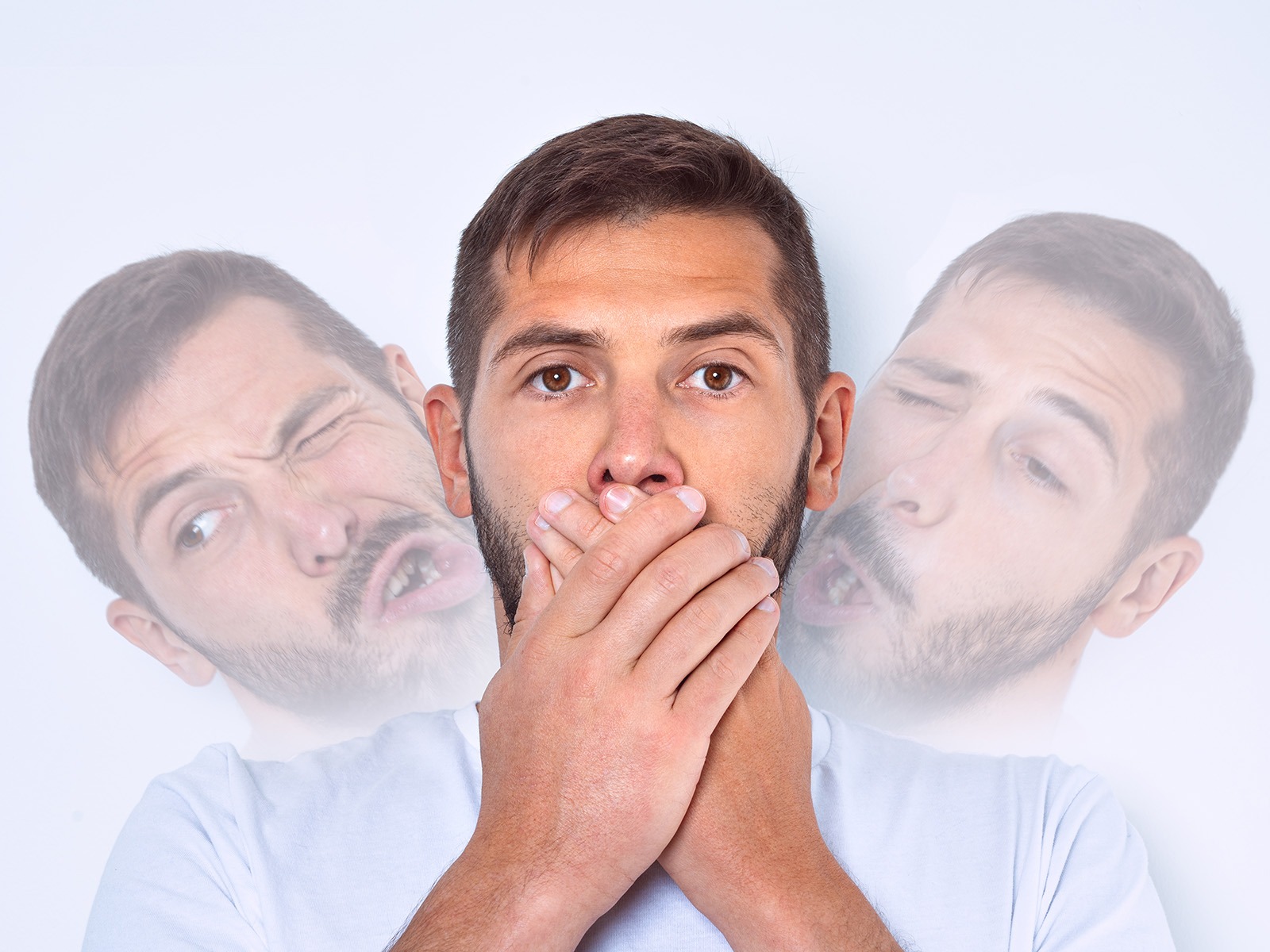
Take control of your tics
“How can I fit into a group when everyone keeps staring at me?”
Do you feel like you can't control your gestures and movements? That people look at you strangely when you involuntarily repeat sounds and noises? That shame overwhelms you when it's your turn to give a presentation at school or at work?
These are the experiences shared by people with Tourette Syndrome. It affects your social life and self-confidence and keeps you from reaching your personal and professional potential.
But you don't have to live like this your whole life - you can treat the manifestations of Tourette syndrome.
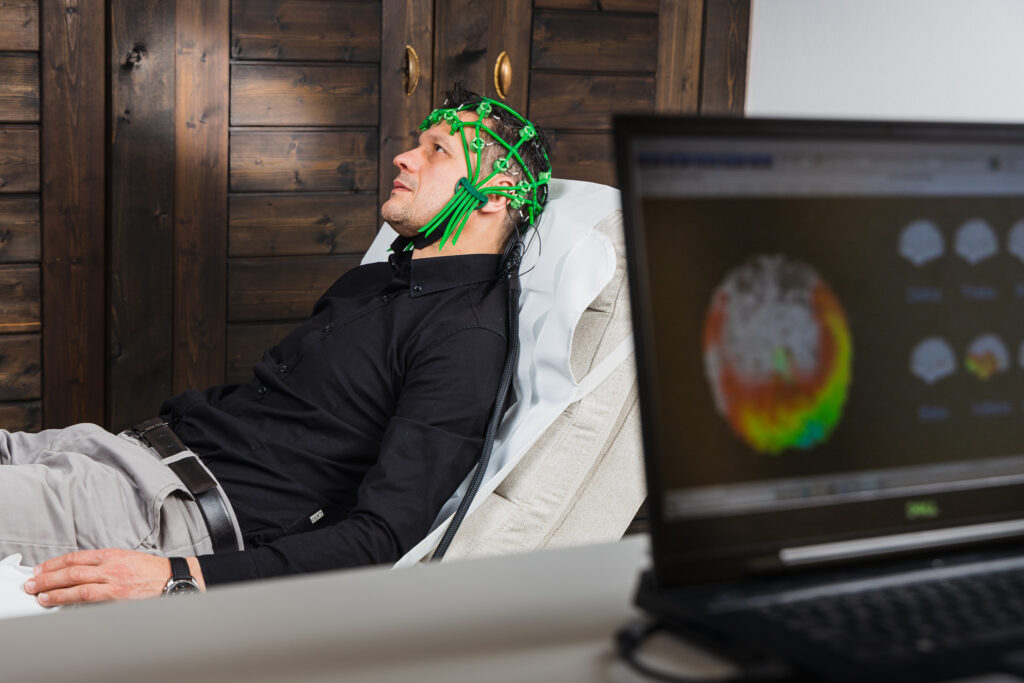
Neurofeedback therapy, based on brain science
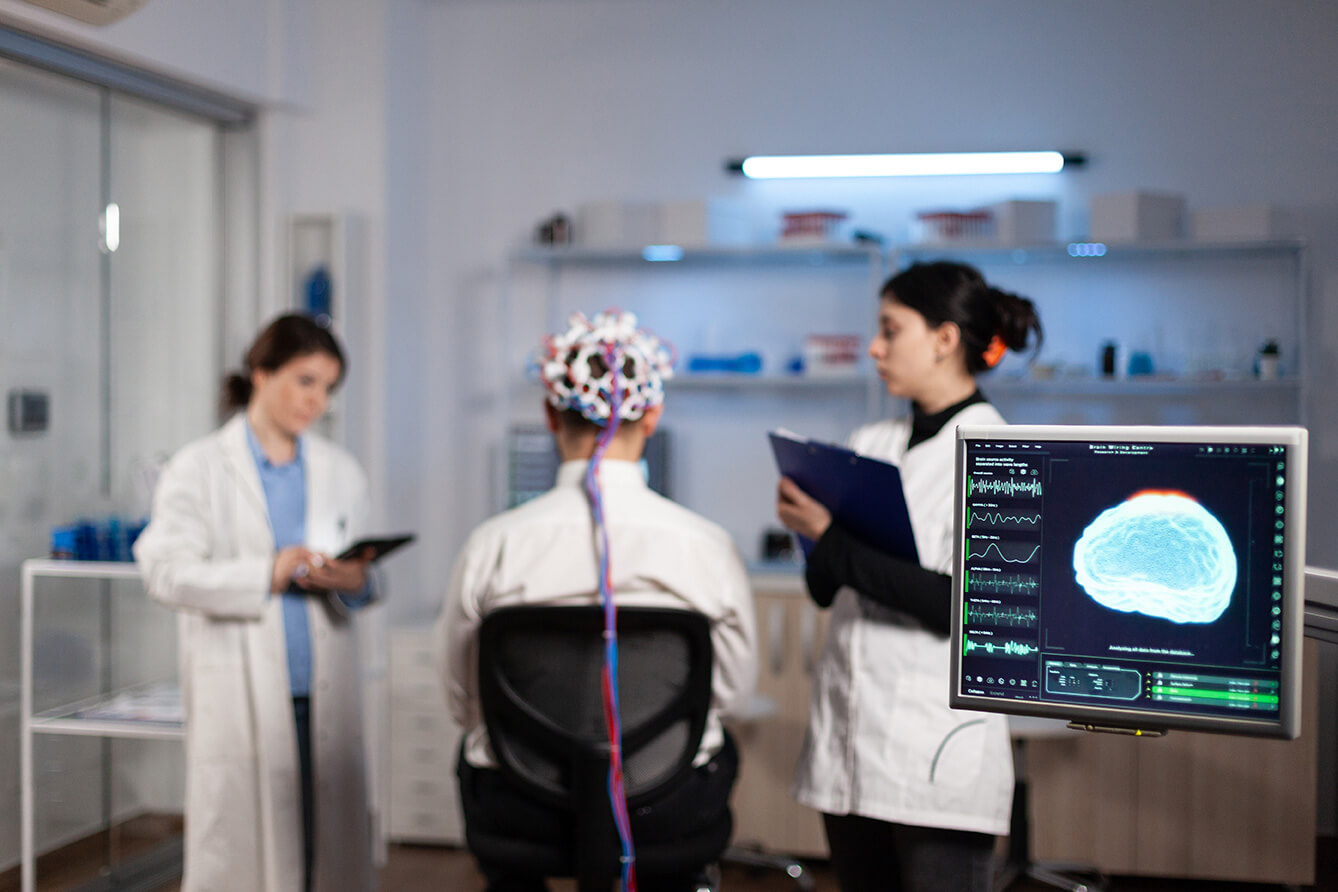
Approximately 78,000,000 people suffer from Tourette syndrome worldwide. Although the symptoms are not dangerous, they affect your everyday life and social relationships.
At the BrainMap Institute we use a Neurofeedback technology that helps you control the tics specific to Tourette. The medical equipment, manufactured and certified in the U.S.A., “corrects” the physico-chemical imbalance in the central nervous system: the patient becomes aware of their tics and can stop them voluntarily.
The procedure is painless, with no medication and no electrical stimuli. The same equipment was initially used in the training of astronauts at NASA, to improve their concentration in stressful situations. Now you can benefit from Neurofeedback therapy right here in Romania.
What is Tourette Syndrome?
Tourette Syndrome is a neuropsychiatric disorder that begins in childhood, characterized by the presence of involuntary motor and vocal tics.
It is named after the French physician Georges Gilles de la Tourette, who first described the condition in the 19th century.

Characteristics and course
- Onset: usually between the ages of 5 and 7.
- Course: tics reach their peak severity around the age of 10–12, after which their frequency and intensity may decrease in adolescence and adulthood.
- Variability: the severity and type of tics can vary from one day to the next, depending on emotional stress or other external stimuli.
- Comorbidities: it is frequently associated with obsessive-compulsive disorder (OCD), ADHD, anxiety and depression.
Motor tics
◊ Simple: Rapid, repetitive movements of certain muscle groups, such as frequent blinking, shoulder shrugging or facial grimacing.
◊ Complex: More elaborate coordinated movements, which may include jumping, touching other people or objects and specific body movements.
Vocal tics
◊ Simple: Involuntary sounds such as coughing, throat clearing, whistling or grunting.
◊ Complex: More complex verbal expressions, including repeating words or phrases (echolalia), uttering inappropriate words (coprolalia) or changing the tone of voice.
Causes of motor or verbal tics
The causes of motor and verbal tics are not fully understood, but research suggests they involve a combination of genetic, neurobiological and environmental factors.
Genetic factors
♦ Heredity: Tourette syndrome and other tic disorders have a strong genetic component. They are frequently found in families with a history of tic disorders or other neuropsychiatric disorders.
♦ Specific genes: Although no specific genes have been identified as responsible for Tourette syndrome, it is believed that several genes contribute to the predisposition to this disorder.
Neurobiological factors
♦ Neurotransmitters: Abnormalities in neurotransmitters, especially dopamine, serotonin and glutamate, are involved in the pathophysiology of tics. Dysfunctions of these neurotransmitter systems can affect the brain regions that control movements and behaviors.
♦ Brain regions: Research indicates that tics are linked to dysfunctions in the neural circuits involving the basal ganglia, the frontal cortex and other brain regions that regulate movement and behavior.
Environmental factors
♦ Perinatal complications: Maternal stress, infections during pregnancy and other perinatal complications can increase the risk of developing tics.
♦ Infections and inflammation: Some studies suggest that streptococcal infections and subsequent autoimmune responses might play a role in triggering tics in certain susceptible individuals.
Tic triggers
There are several factors that can trigger or worsen motor and vocal tics. These factors can vary from person to person and may include:

- Emotional stress and anxiety: Stressful events (e.g. exams, family conflicts); Feelings of anxiety or restlessness.
- Excitement and overstimulation: Exciting situations or stimulating activities. Video games or activities that require heightened attention.
- Fatigue: Lack of sleep or excessive tiredness.
- Boredom or inactivity: Periods of inactivity or lack of mental stimulation.
- Socially demanding environments: Social settings in which the person feels evaluated or judged.
- Changes in routine: Sudden changes in schedule or daily routine.
- Sensory stimuli: Loud sounds or bright lights. Uncomfortable clothing or other physical discomforts.
- Eating habits and substances: Consumption of caffeine or other stimulants. An unhealthy diet or irregular meals.
- Illnesses and infections: Episodes of illness or recent infections.
- Psychological factors: Feelings of frustration, anger or intense sadness.
Managing tics involves identifying and reducing exposure to these triggers, as well as implementing appropriate therapeutic strategies to control symptoms and improve quality of life.
Diagnosing Tourette Syndrome
The diagnosis of Tourette syndrome is based on clinical criteria and the patient's history, as there are no specific laboratory tests to confirm the presence of the disorder. The diagnostic process involves evaluating the symptoms, their duration and their impact on the patient's life.
Diagnostic criteria
According to the Diagnostic and Statistical Manual of Mental Disorders, fifth edition (DSM-5), the diagnostic criteria for Tourette syndrome are as follows:
- Presence of multiple tics:
- Multiple motor tics and at least one vocal tic must be present at some point during the illness, though not necessarily at the same time.
- Duration of symptoms:
- Tics must have been present for at least one year since their initial onset. During this time, tics may vary in frequency and intensity.
- Onset of symptoms:
- Symptoms must appear before the age of 18.
- Exclusion of other causes:
- The symptoms must not be caused by the physiological effects of a substance (e.g. drugs or medication) or by another medical condition (e.g. Huntington's disease or encephalitis).
Detailed medical history
- The patient's family and personal history.
- The onset and course of symptoms.
- The frequency, duration and types of tics present.
- The impact of tics on daily life, school performance and social relationships.
Physical and neurological examination
Ruling out other medical conditions that could cause similar symptoms.
Psychiatric evaluation
Assessment of frequently associated comorbidities, such as obsessive-compulsive disorder (OCD), attention deficit hyperactivity disorder (ADHD), anxiety and depression.
Treatment of tics in Tourette Syndrome
The treatment of tics in Tourette syndrome focuses on reducing the severity of symptoms and improving the patient's quality of life. Because symptoms can vary considerably, the treatment plan is often personalized to meet each patient's individual needs.
Behavioral therapy
♦ Comprehensive Behavioral Intervention for Tics (CBIT): This is a form of behavioral therapy that helps patients recognize the premonitory sensations that precede tics and develop competing responses to suppress them.
♦ Cognitive-behavioral therapy (CBT): Used to treat associated comorbidities, such as anxiety and obsessive-compulsive disorder.
Education and support
♦ Educating patients and their families about Tourette syndrome, to reduce stigma and improve social support.
♦ Support groups can be helpful for sharing experiences and coping strategies.
Relaxation techniques
♦ Relaxation practices such as meditation, yoga and breathing exercises can help reduce stress and control tics.
Antipsychotics
♦ Medications such as haloperidol, risperidone and aripiprazole can be effective in reducing tics, but they can have significant side effects, such as sedation, weight gain and extrapyramidal effects.
Alpha-adrenergic agonists
♦ Clonidine and guanfacine are medications that can help reduce tics and are often preferred due to their milder side-effect profile.
Medication for ADHD
♦ Atomoxetine and other non-stimulant medications are sometimes used to treat comorbid ADHD symptoms without worsening tics.
Medication for OCD
♦ Selective serotonin reuptake inhibitors (SSRIs) such as fluoxetine and sertraline can be used to treat associated obsessive-compulsive symptoms.
Deep brain stimulation (DBS)
♦ A surgical procedure reserved for severe cases that do not respond to conventional treatments. It involves implanting electrodes in the brain to modulate neuronal activity in the regions involved in tics.
Botulinum toxin therapy
♦ Injecting botulinum toxin into specific muscles can help reduce severe motor tics by temporarily weakening the affected muscles.
Complications associated with untreated Tourette Syndrome
The lack of adequate treatment for Tourette syndrome can lead to multiple complications affecting various aspects of the patient's life:
◊ Academic difficulties
Tics and associated comorbidities, such as ADHD, can interfere with concentration and school performance, leading to poor academic results and school dropout.
◊ Emotional and psychological problems
Frustration, anxiety and depression are frequently associated with Tourette syndrome and can be worsened by stigma and social isolation.
◊ Social difficulties
Tics can attract unwanted attention and can lead to bullying, social rejection and difficulties in interpersonal relationships.
◊ Impact on family life
The family may experience stress and tension because of the child's behavior and the difficulty of managing tics and associated comorbidities.
◊ Self-image and self-esteem problems
Children and adolescents with Tourette syndrome can develop a negative self-image and low self-esteem due to their awareness of the symptoms and the reactions of those around them.
◊ Professional difficulties
Adults with Tourette syndrome may face challenges in keeping a job because of tics and comorbidities, affecting their financial stability and professional career.
◊ Physical complications
Severe, repeated motor tics can lead to physical discomfort, muscle pain and affected joints.
Treating Tourette syndrome is essential to manage symptoms, reduce the impact of tics on daily life and prevent the complications associated with the lack of adequate treatment. A well-structured treatment plan, tailored to individual needs, can significantly improve the quality of life of patients with Tourette syndrome.
How does Brain Training Therapy work in combating the manifestations specific to Tourette?
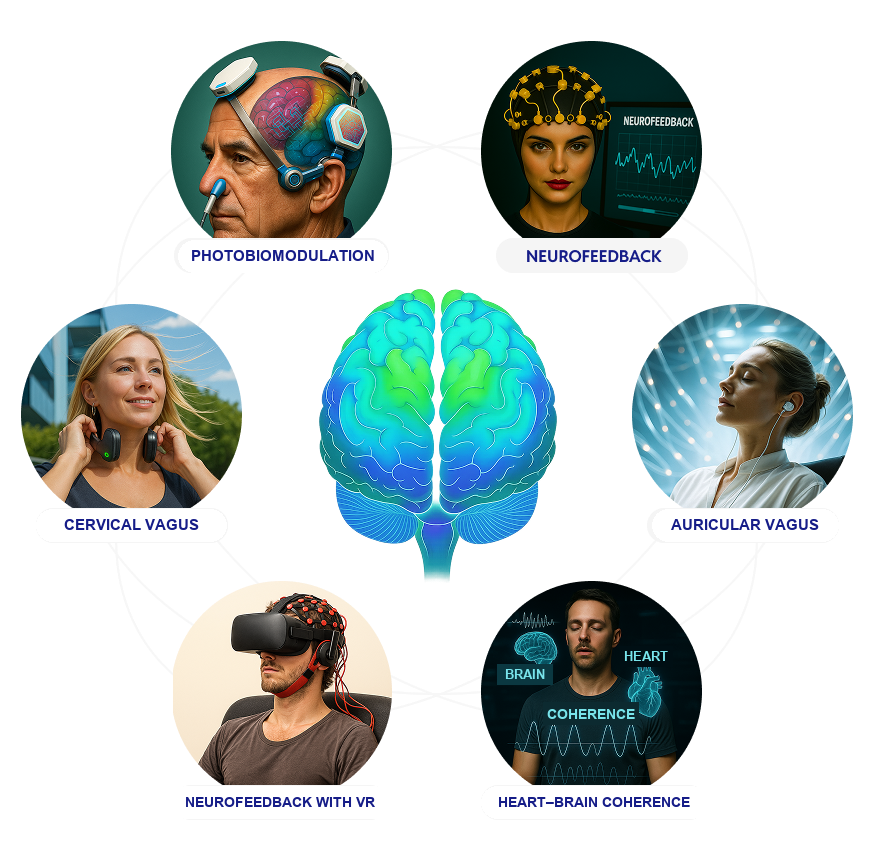
Brain training therapy is an innovative treatment method that combines three complementary techniques: neurofeedback, photobiomodulation and heart-brain coherence training. This combination has the potential to offer significant benefits in managing the symptoms of Tourette syndrome by addressing the various aspects of neuronal and physiological dysfunctions.
1. Neurofeedback
What is neurofeedback?
Neurofeedback is a form of biofeedback that monitors brain activity and provides real-time feedback to the patient, helping them learn to self-regulate their neuronal activity.
How does it help in Tourette syndrome?
♦ Self-regulation of brain activity: Brain activity is regulated through visual and auditory stimuli, which can reduce the frequency and intensity of tics in a non-invasive way.
♦ Stress reduction: Neurofeedback can help lower stress and anxiety levels, factors that can worsen tics.
♦ Improved executive function: Through neurofeedback training, the brain's executive functions (such as attention, planning and impulse control) can be improved, which helps in managing symptoms.
2. Photobiomodulation
What is photobiomodulation?
Photobiomodulation (PBM) involves the use of light to stimulate biological processes at the cellular level.
♦ Reduced inflammation: PBM can reduce neuronal inflammation, which can contribute to the brain dysfunctions associated with Tourette syndrome.
♦ Improved mitochondrial function: By stimulating energy production at the cellular level, PBM can improve neuronal functioning and help reduce tics.
♦ Neuroprotection: PBM can promote the regeneration and protection of neurons, thus helping stabilize brain activity.
3. Heart-brain coherence
What is heart-brain coherence?
Heart-brain coherence refers to the state in which the heart rhythm and brain activity are synchronized and harmonized, leading to optimal functioning of the entire nervous system.
♦ Reduced stress and anxiety: Heart-brain coherence training techniques, such as controlled breathing, can lower stress and anxiety levels, thus diminishing the frequency and severity of tics.
♦ Improved emotional regulation: By promoting a balance between the sympathetic and parasympathetic nervous systems, heart-brain coherence can improve the patient's capacity for emotional self-regulation.
By integrating these three complementary approaches, brain training therapy offers a holistic and innovative way to manage Tourette syndrome, addressing both the main symptoms and the underlying factors that contribute to the manifestations of this disorder.
Work on Tourette manifestations with brain training.
Imagine how much your life would change if you could live without the disruptive tics:
You build a more enjoyable social life
You gain more self-confidence
You make a much better first impression
It becomes much easier to fit into society
Through brain training therapy, you can regain control over your gestures and live a much better life than before. And we can help you do that!
If you have any other questions about the procedure or want to find out whether it is right for you, book now for a free 15-minute phone consultation with one of our specialists.
Brain training unique in the world
Brain training unique in the world, combining neurofeedback with other complementary neurotechnologies such as photobiomodulation, heart–brain coherence and vagus nerve stimulation, to help you reach your full potential and live the best life possible.
- Results up to 50% faster than classic neurofeedback
- Treats neuropsychiatric and pathological conditions
- Works directly on the cause, not the symptoms
- Restores emotional balance, sleep and mental clarity
- Increases focus, resistance to stress and cognitive performance
- A protocol 100% personalized to the uniqueness of your brain
- Validated by 65+ years of research in neuroscience
Book a free phone consultation with one of the BrainMap Institute's specialists
- You get answers to any questions you have about BrainMap and brain training
- You find out how brain training is applied to the uniqueness of your brain and your situation
- You will know the exact steps to follow to live the best life possible
Effectiveness proven in international scientific studies
What our patients say
Read the experiences of those who overcame their condition.
See testimonialsDo you want to understand what is happening in your brain?
Book a call with the BrainMap Institute's specialists and find out how a BrainMap and brain training can help you.
Book a free call