
Do you feel tingling, numbness or burning in your feet, especially in the evening?
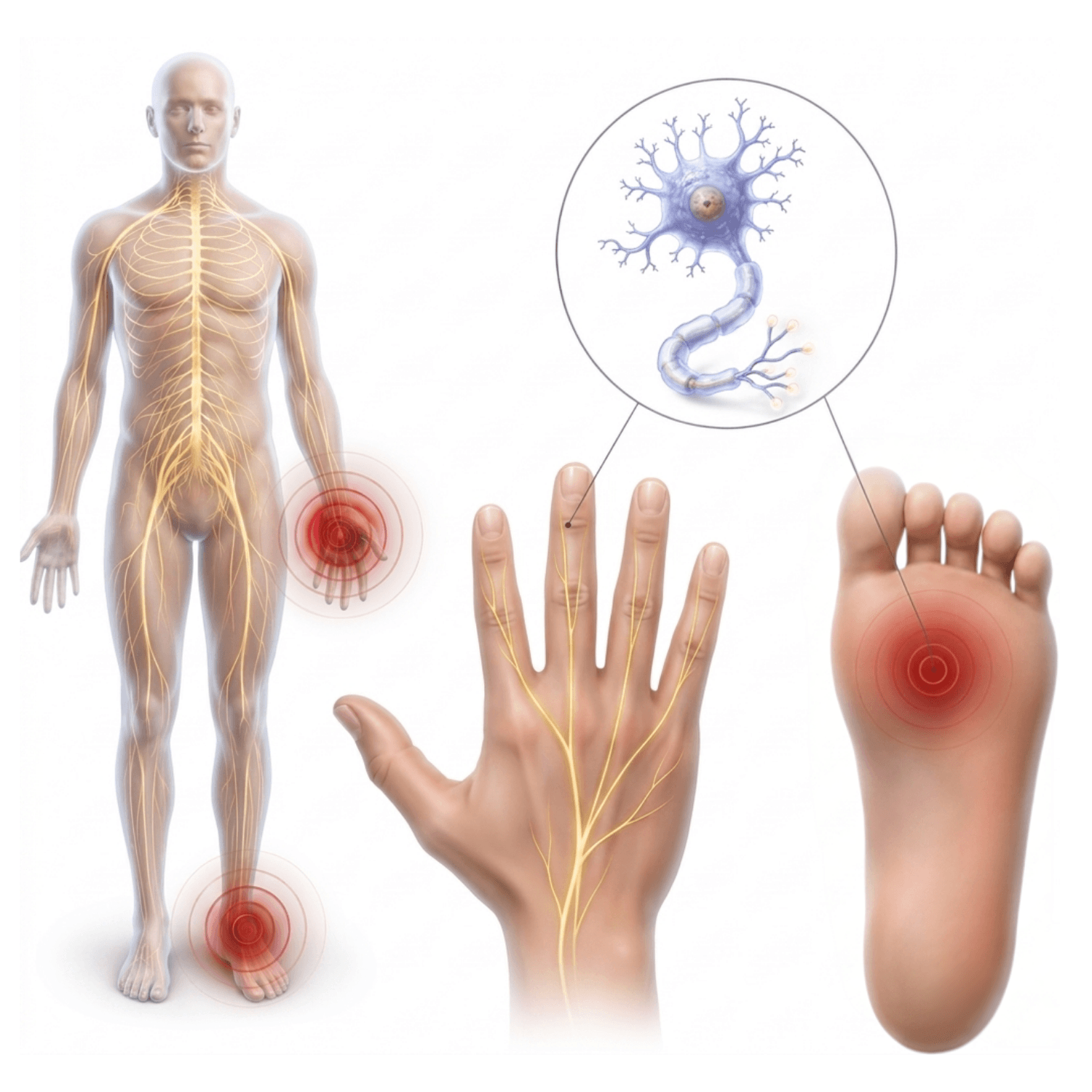
These symptoms can be linked to neuropathy and can end up affecting your sleep, your peace of mind, your concentration and your day-to-day energy.
Neuropathic pain is felt in the body, but the brain can sustain its intensity
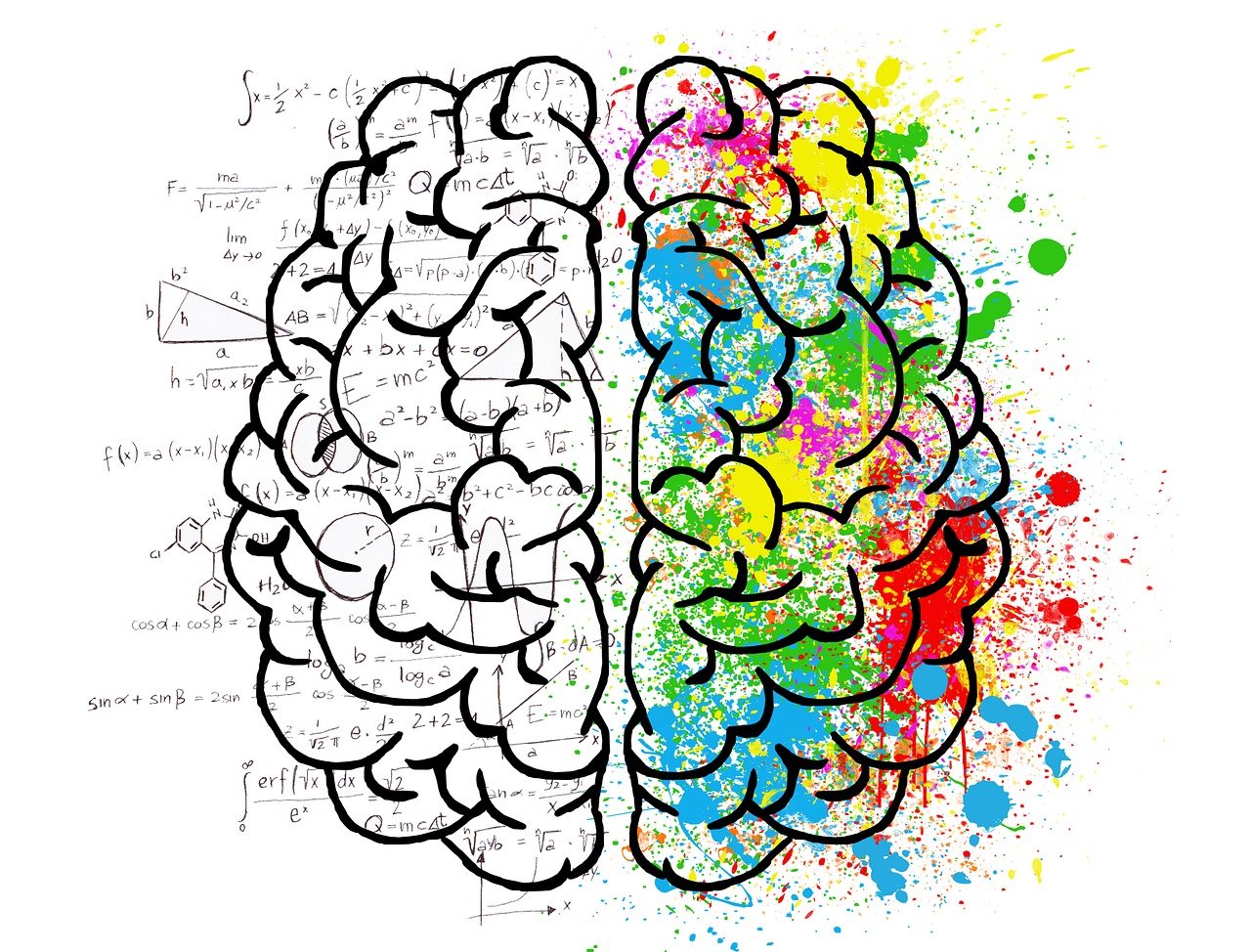
Neuropathy involves the peripheral nerves, but chronic pain also has an important central component.
The brain receives signals from the body, interprets them and can amplify them. In chronic pain, the brain networks involved in pain perception, attention to the body, anxiety and emotional regulation can become hyperactivated and sensitized.
As a result, you may experience:
- Hypervigilance towards tingling and numbness
- Anticipating pain before it appears
- Fear of the symptoms getting worse
- Light or fragmented sleep
- Repetitive thoughts about the illness and the body
- Emotional and mental exhaustion
Neuropathic pain can end up changing your routine in ways that the people around you find hard to understand.
Over time, a hard-to-bear cycle sets in:
This is how you end up living with an alarm system that is switched on almost permanently.
At the BrainMap Institute, we work with this brain component of neuropathic pain.
The goal is for the brain to learn to process pain, tingling and the associated anxiety differently, so that the symptoms have a smaller impact on your life.
How the BrainMap Investigation helps in neuropathy
BrainMap is an advanced EEG investigation that collects and processes data from over 80,000 points of the brain and 47 brain areas, in order to precisely identify the zones where imbalances exist.
In the case of neuropathy, BrainMap can provide relevant information about the networks involved in:
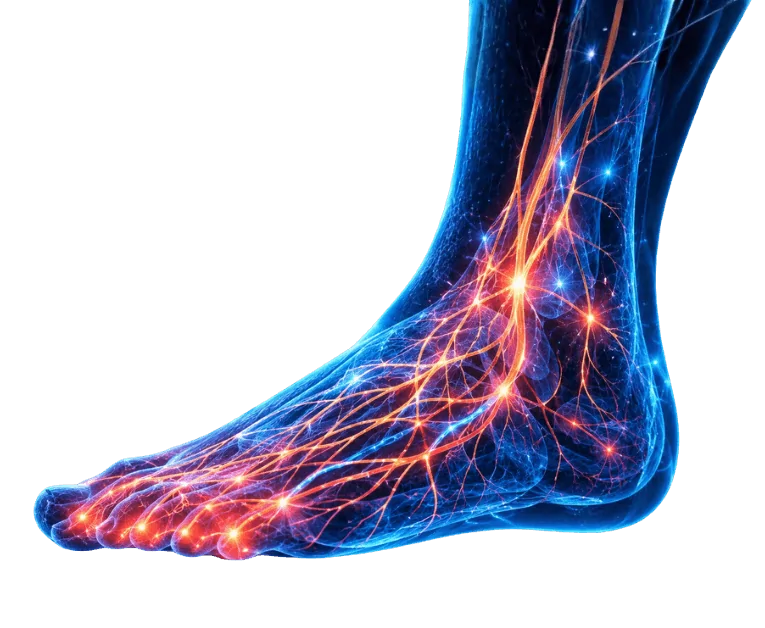
- Pain processing
- Bodily hypervigilance
- Anxiety associated with the symptoms
- Sleep and recovery
- Emotional regulation
- Mental fatigue
- Cognitive clarity and concentration
How brain training can help in neuropathy
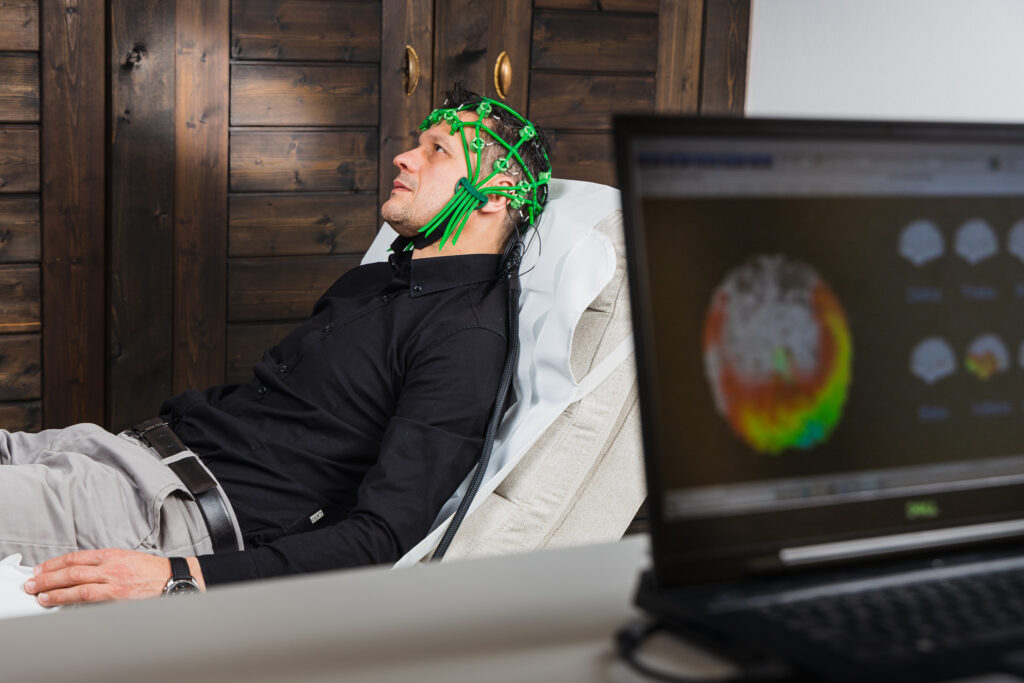
Following the BrainMap investigation, our specialists build a personalized brain training plan. The sessions target the networks involved in pain, sleep, anxiety, hypervigilance and emotional regulation.
*Both the BrainMap investigation and the brain training sessions play a complementary role to medical treatment and work with the brain's processing of pain. Diagnosis, monitoring and medical treatment remain the responsibility of your doctor.
The role of brain training is to:
Dr. Alina Diana Nemes
Neurofeedback Therapist, General Practitioner, PhD Candidate in Psychology, Bowen Therapist, Integrative Psychotherapist, Competencies in Homeopathy and Medical Ethics
With over 20 years of experience working with brain and energy imbalances, Dr. Alina Diana Nemes combines medicine, neuroscience and therapy with a deeply personalized approach.
She has interpreted thousands of BrainMaps and created effective protocols for patients with anxiety, ADHD, autism, depression, chronic pain or exhaustion.
She works with rigour, but also with genuine attention to the details of each case.

Clin. Psych. Alina Robu
Neurofeedback Therapist, Clinical Psychologist, PhD Candidate in Psychology, Integrative Psychotherapist, Hypnotherapist, Sexologist
Alina Robu is a neurofeedback therapist with international training and an interdisciplinary approach that combines neuroscience with psychotherapy, hypnotherapy and behavioural analysis.
She has worked with over 20,000 patients from across the country and is responsible for continuously adapting the protocols to new research in the field of brain regulation.
She is passionate about real results and about reconnecting each person with their own capacity for healing.
Pain affects your sleep ➜ Poor sleep increases your sensitivity to pain ➜ Constant pain increases your anxiety ➜ Anxiety increases your attention to your body.
It is recommended for people living with symptoms specific to neuropathy, or for family members looking for a direction for someone they love.
When numbness or tingling appears daily, especially in the evening, in the morning or at rest, the brain can become more and more attentive to these signals. Over time, the physical discomfort can come together with tension, fear and poor sleep.
Night-time pain is one of the hardest forms of neuropathic discomfort to bear. It fragments your sleep, reduces your energy and can amplify your sensitivity to pain the following day.
In diabetic neuropathy, patients frequently describe tingling in the feet, numbness, burning, night-time pain and mental fatigue. BrainMap can be a complementary direction for the brain component of the pain and of the anxiety associated with the symptoms.
In neuropathy associated with alcohol use, symptoms can include numbness in the feet, tingling in the hands and feet, poor sleep, anxiety, low mood, brain fog or difficulty concentrating. BrainMap offers a confidential, respectful and personalized setting.
Some people have already tried treatments, supplements, creams or therapies with limited effect. BrainMap adds a different direction: assessing and training the way the brain processes pain, discomfort and the associated anxiety.
Neuropathic pain can be amplified in brain networks involved in pain perception. BrainMap helps identify the patterns of brain activity and build a personalized training direction.
Constant tingling, numbness or pain flare-ups can keep the brain in a state of alert. Brain training can support the regulation of this excessive attention to the body.
Neuropathic pain can fragment sleep, especially during the deep recovery phases. And poor sleep can amplify pain the following day. BrainMap looks at the networks involved in sleep, calm and recovery.
Chronic pain can bring repetitive thoughts: “Is it getting worse?”, “What comes next?”, “Will I be able to sleep tonight?”. Brain training can support a calmer relationship with the body's signals.
Neuropathy can come together with anxiety, irritability, sadness, withdrawal or exhaustion. BrainMap can support the networks involved in emotional regulation in patients living with chronic pain.
Although BrainMap uses advanced artificial intelligence to analyze the neurophysiological data, the final interpretation is carried out by experts with over 20 years of clinical experience.
Brain training unique in the world
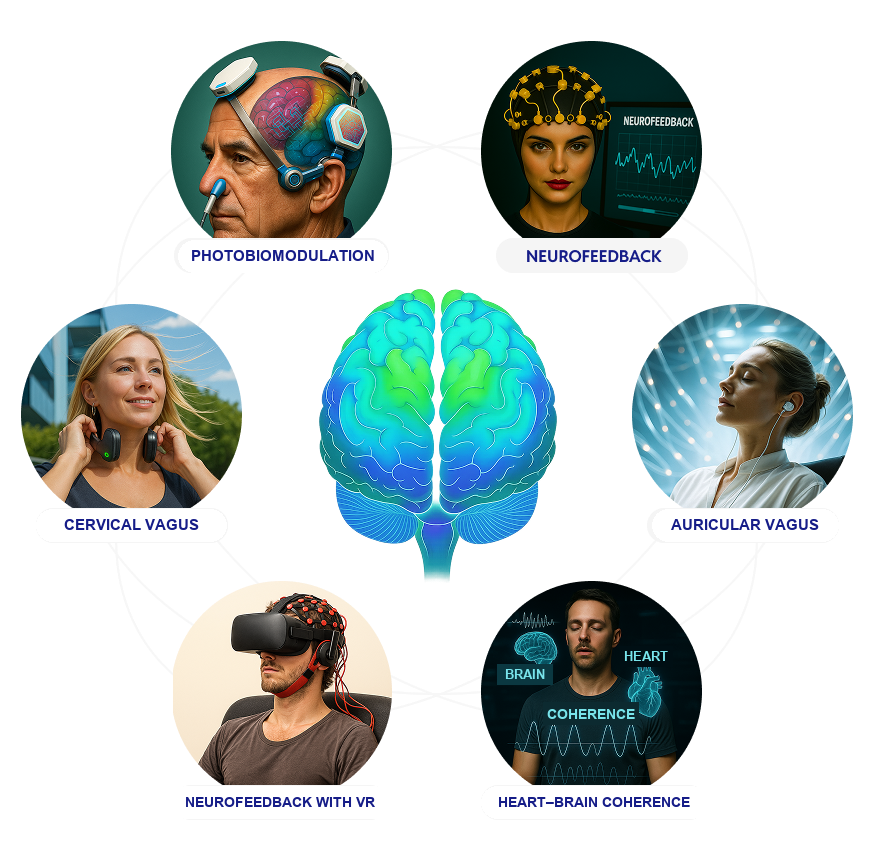
Brain training unique in the world, combining neurofeedback with other complementary neurotechnologies such as photobiomodulation, heart–brain coherence and vagus nerve stimulation, to help you reach your full potential and live the best life possible.
- Results up to 50% faster than classic neurofeedback
- Treats neuropsychiatric and pathological conditions
- Works directly on the cause, not the symptoms
- Restores emotional balance, sleep and mental clarity
- Increases focus, resistance to stress and cognitive performance
- A protocol 100% personalized to the uniqueness of your brain
- Validated by 65+ years of research in neuroscience
Book a free phone consultation with one of the BrainMap Institute's specialists
- You get answers to any questions you have about BrainMap and brain training
- You find out how brain training is applied to the uniqueness of your brain and your situation
- You will know the exact steps to follow to live the best life possible
Effectiveness proven in international scientific studies
What our patients say
Read the experiences of those who overcame their condition.
See testimonialsDo you want to understand what is happening in your brain?
Book a call with the BrainMap Institute's specialists and find out how a BrainMap and brain training can help you.
Book a free call