
Keep the symptoms of autoimmune diseases under control and improve your quality of life with brain training therapy, unique in Europe
Over the past 40 years, more and more people have developed autoimmune diseases, because the body no longer distinguishes healthy cells from foreign microorganisms.
Although the causes are not fully known, one of the main reasons they appear is the change in the environment we live in.
If you have been diagnosed with an autoimmune disease, it is important to act early and follow a therapeutic plan, so the symptoms do not get worse.
One effective way to keep the symptoms of autoimmune diseases under control is to combine medical treatment with brain training therapy!
The types of patients with autoimmune diseases we have helped through brain training:

In this condition, the immune system attacks the thyroid gland, causing it to become inflamed.
As a result, the thyroid gland produces a smaller amount of hormones, while it tries to compensate for the damage.
Hashimoto's disease can cause a range of symptoms, including:
- Fatigue
- Weight gain
- Hair loss
- Sensitivity to cold
- Dry skin
- Constipation and depression.
In this condition, the immune system mistakenly attacks healthy cells and tissues, causing inflammation and damage.
The exact cause of lupus is unknown, but it is believed to be a combination of genetic, hormonal and environmental factors.
The symptoms of lupus can vary widely and may include:
- Fatigue
- Pain and stiffness in the joints
- Skin rashes
- Fever
- Hair loss
- Mouth sores
- Sensitivity to sunlight
- Chest pain.
In psoriasis, the immune system mistakenly speeds up the growth cycle of skin cells, causing them to build up rapidly on the surface of the skin.
This is how thick, scaly and often itchy patches appear on the skin, anywhere on the body.
Psoriasis can also affect the nails, causing pitting, abnormal growth and separation from the nail bed.
In some cases, it can lead to joint pain and stiffness.
The condition can be triggered or made worse by factors such as stress, infections, skin injuries and certain medications.
This refers to a group of conditions that cause inflammation and stiffness in the joints.
There are several types of arthritis, each with its own specific symptoms and causes. The two most common types are osteoarthritis and rheumatoid arthritis.
Osteoarthritis appears when the cartilage that cushions the ends of the bones in the joints wears down over time. It can cause pain, stiffness and swelling in the affected joint, as well as difficulty moving it.
Rheumatoid arthritis is an autoimmune condition in which the immune system mistakenly attacks the lining of the joints, causing inflammation and damage. This leads to pain, stiffness, swelling and deformity of the affected joint, as well as fatigue and other systemic symptoms.
The symptoms of arthritis can range from mild to severe and may include joint pain, stiffness, swelling and a reduced range of motion in the joint.
It is an autoimmune condition in which the immune system reacts abnormally to gluten, a protein found in wheat, barley and rye.
When someone with celiac disease eats food that contains gluten, their immune system attacks the lining of the small intestine, causing inflammation and damage to the villi, which help absorb nutrients from food. Over time, this damage prevents the absorption of nutrients and causes various symptoms.
The symptoms of celiac disease can vary widely and include:
- abdominal pain
- bloating
- diarrhea
- constipation
- fatigue
- weight loss
- skin rashes.
It is a bowel condition that affects the gastrointestinal tract. It can affect any part of the digestive system, from the mouth to the anus, but most often it affects the small intestine and the beginning of the large intestine.
The symptoms of Crohn's disease may include:
- Abdominal pain
- Diarrhea
- Fatigue
- Weight loss
- Loss of appetite.
It is a condition in which the immune system attacks the thyroid gland, which leads to an excessive production of thyroid hormones. This condition is a form of hyperthyroidism and can affect a variety of bodily functions.
The symptoms of Basedow Graves' disease include:
- Weight loss
- Palpitations
- Tremor
- Nervousness
- Fatigue
- Muscle weakness
- Sensitivity to temperature.
- Other symptoms may include changes in the eyes, such as swollen or bulging eyes and double vision.
It is a disease that can affect any organ in the body, but most often it affects the lungs and the lymph nodes. It appears when immune system cells build up in a certain organ or tissue, forming small formations called granulomas.
The symptoms of sarcoidosis can vary, depending on the organ affected, but may include:
- Cough
- Shortness of breath
- Fatigue
- Fever
- Night sweats
- Weight loss
- Swollen lymph nodes.
It is a chronic skin disease characterized by the loss of skin pigment, which leads to the appearance of white or depigmented patches. This condition appears when the cells that produce skin pigment (melanocytes) are destroyed or stop working properly.
The exact cause of vitiligo is not known, but it is believed to be linked to a combination of genetic and environmental factors. This disease can appear at any age, but most often it appears before the age of 20 and can affect any part of the skin, including the hair and the eyes.
The symptoms of vitiligo include white or depigmented patches on the skin, usually in a symmetrical pattern on both sides of the body. The patches can grow in size or number over time, and the hair or the beard can turn white or grey.
In general, vitiligo is not painful or dangerous for your health, but it can have a significant impact on a person's quality of life, because of the physical appearance.
It is a chronic autoimmune disorder that causes weakness and rapid fatigue of the voluntary muscles. It is caused by a breakdown in the communication between nerves and muscles, which leads to a drop in the number of receptors that respond to the neurotransmitter acetylcholine.
The symptoms can vary widely from one person to another, but usually include:
- Muscle weakness, especially in the eyes, face, neck and limbs, which gets worse with activity and improves with rest.
- Difficulty chewing, swallowing and speaking
- Drooping eyelids
- Double vision
- Breathing difficulties
- In severe cases, the muscles that control breathing can be affected, requiring mechanical ventilation to support breathing.
It is a rare but serious disorder that appears when the adrenal glands are affected and cannot produce enough cortisol and aldosterone, hormones that are essential for maintaining the body's normal functions.
The symptoms of Addison's disease can be vague and can appear slowly over time, which makes the diagnosis difficult. Common symptoms include:
- Fatigue
- Weakness
- Weight loss
- Abdominal pain
- Nausea
- Vomiting
- Low blood pressure
- Darkening of the skin.
It is an autoimmune disorder in which the immune system attacks the glands that produce moisture in the body, such as the tear and salivary glands. This leads to a reduction in the production of tears and saliva, resulting in dry eyes and a dry mouth.
The condition can also affect other parts of the body, including the skin, the joints and the internal organs. Besides dry eyes and a dry mouth, other symptoms include: difficulty swallowing, tooth decay, joint pain and stiffness, skin rashes and fatigue.
Treat autoimmune diseases with brain training!
At the BrainMap Institute we use the revolutionary brain training therapy, based on brain science, which keeps the autoimmune diseases mentioned above under control.
How does it work? Researchers have concluded that the associated symptoms can be treated and kept under control by changing the structure of the brain.
For example, if you suffer from psoriasis, neurofeedback helps you reduce accumulated stress and ease the symptoms. Or, if you suffer from arthritis, the therapy helps you reduce pain and inflammation.
Using new, exclusive medical equipment, manufactured and certified in the U.S.A., the therapy is based on training the brain's neuroplasticity. It “repairs” the way the brain reacts in the presence of the factors that make the symptoms of autoimmune diseases worse.
The entire procedure is painless and does not cause side effects. It does not involve electrical stimuli or other dangerous and ineffective procedures.
This medical equipment has been used from the very beginning for the training of NASA cosmonauts and astronauts, to improve pilots' ability to concentrate in highly stressful situations.
And now you too can benefit from the effects of brain training therapy right here in Romania!
How does brain training therapy help with autoimmune diseases?
- Brain training shows positive results in treating autoimmune diseases, because the brain positively influences the neural and hormonal pathways. The earlier you start, the faster we can reduce the impact of the symptoms
- In the treatment of autoimmune diseases, the therapy helps by reducing stress and inflammation in the body (It is well known that stress makes autoimmune symptoms worse, and neurofeedback helps patients control their stress level).
- And as a result, the symptoms of the autoimmune disease are reduced. In addition, neurofeedback improves overall brain function, which can have a positive impact on the immune system.
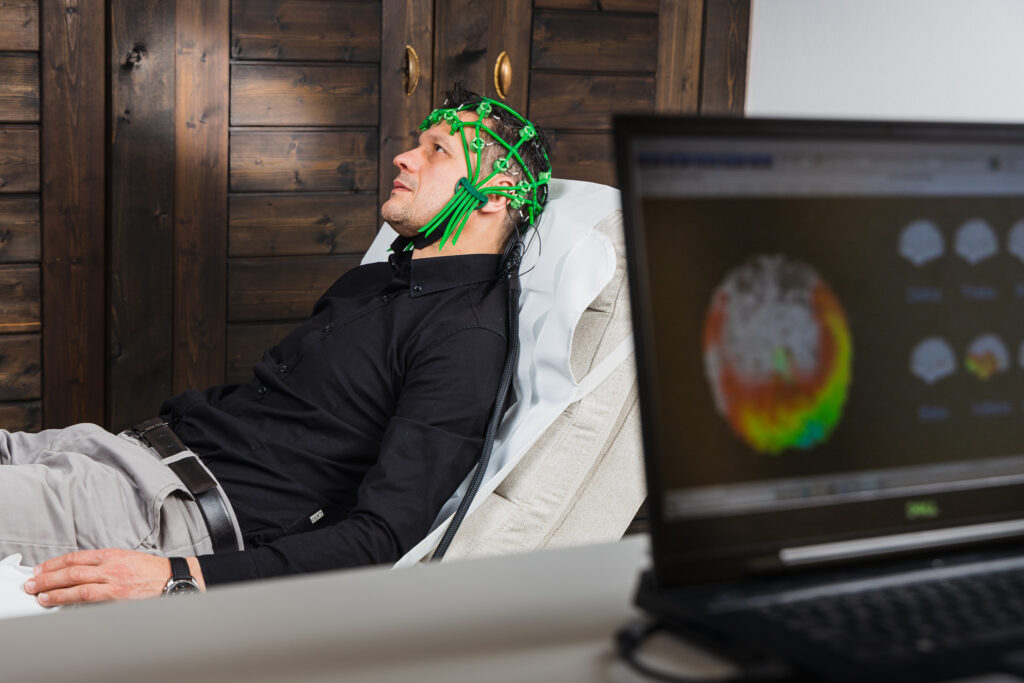
- Using a specific medical device and a software program, we measure brainwave activity and help patients change their own brainwaves.
- This way, they manage to reduce their symptoms and radically improve their overall quality of life (effects also demonstrated by international studies*).
Thousands of patients have been treated with brain training at the BrainMap Institute. Patients with conditions such as sciatica, depression, neuropathies and Parkinson's, but also with autoimmune diseases such as vitiligo, Hashimoto's and Myasthenia Gravis.
What does the therapy consist of?
For autoimmune diseases, the therapeutic process consists of 3 simple steps that we go through together:
You undergo a BrainMap assessment, in which we discover exactly the brain areas we will work on. This way, we know how to run the therapy sessions.
Based on the results, you receive a personalized treatment plan, suited to the uniqueness of your brain
You follow the plan agreed together and come to the regular brain training sessions
Right after the first sessions, you will notice that the symptoms of the condition become less intense, your stress level drops and your quality of life gradually improves.
The results of the therapy
By following the therapy plan, we can help people with autoimmune diseases keep their condition under control and radically improve their lifestyle.
The results are permanent, because we train the brain directly and it reshapes its neural structures through play.
If you have other questions about the procedure or want to find out whether it is suitable for your situation or that of someone close to you, book now a free 15-minute phone consultation with one of our specialists.
Brain training unique in the world
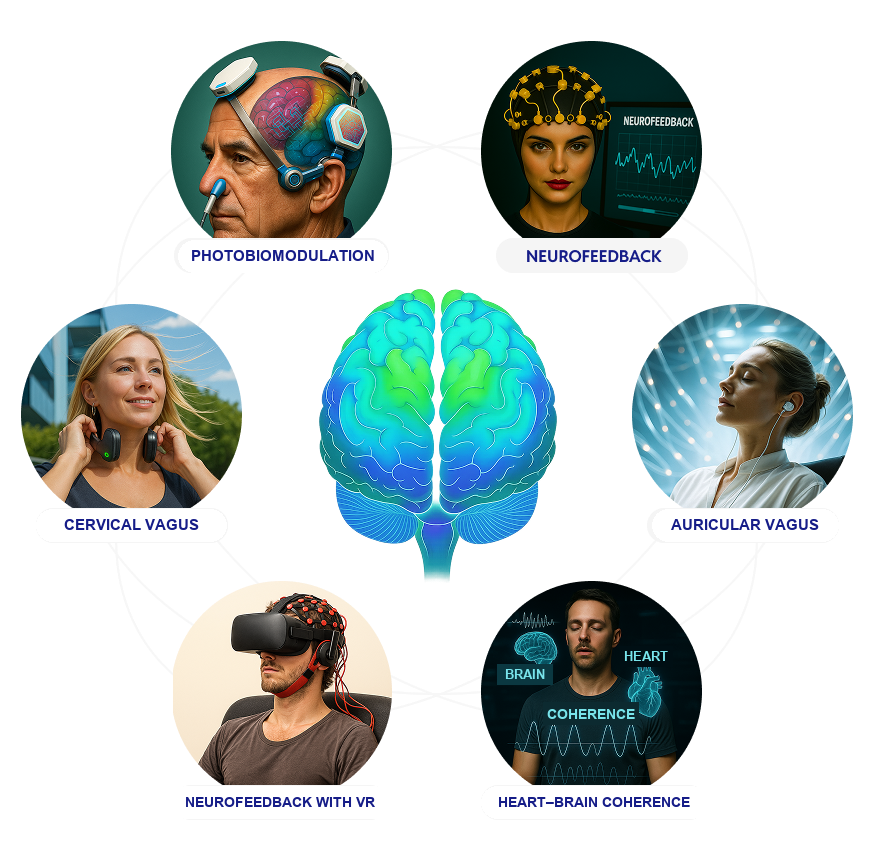
Brain training unique in the world, combining neurofeedback with other complementary neurotechnologies such as photobiomodulation, heart–brain coherence and vagus nerve stimulation, to help you reach your full potential and live the best life possible.
- Results up to 50% faster than classic neurofeedback
- Treats neuropsychiatric and pathological conditions
- Works directly on the cause, not the symptoms
- Restores emotional balance, sleep and mental clarity
- Increases focus, resistance to stress and cognitive performance
- A protocol 100% personalized to the uniqueness of your brain
- Validated by 65+ years of research in neuroscience
Book a free phone consultation with one of the BrainMap Institute's specialists
- You get answers to any questions you have about BrainMap and brain training
- You find out how brain training is applied to the uniqueness of your brain and your situation
- You will know the exact steps to follow to live the best life possible
Effectiveness proven in international scientific studies
What our patients say
Read the experiences of those who overcame their condition.
See testimonialsDo you want to understand what is happening in your brain?
Book a call with the BrainMap Institute's specialists and find out how a BrainMap and brain training can help you.
Book a free call